This disparity led the Minister of the Interior, Alexander Dobrindt (CSU), to announce that the German government will toughen its stance on migration. In statements to the newspaper Bild, the official emphasized that "migrants who integrate, work, and obey the law can remain in Germany, but those who commit crimes or pose a threat risk losing this right."
The Federal Criminal Police Office (BKA) of Germany published a report titled "Crime in the Context of Migration" for 2024, which reveals the sharp contrast between the rates of German suspects and illegal immigrants in various types of crime. The federal study, presented this week, once again placed at the center of the discussion the relationship between illegal immigration, security, and deportation policy.
The document indicates that, when analyzing the total number of suspects registered by the police during 2024, immigrants account for more than 40% of the cases, a percentage that has continued to grow for a decade. According to official data, 2,184,834 suspects were recorded, of whom 913,196 are foreigners, equivalent to 41.8%. These figures, already significant in themselves, become even more relevant when looking at the specific rates by nationality.
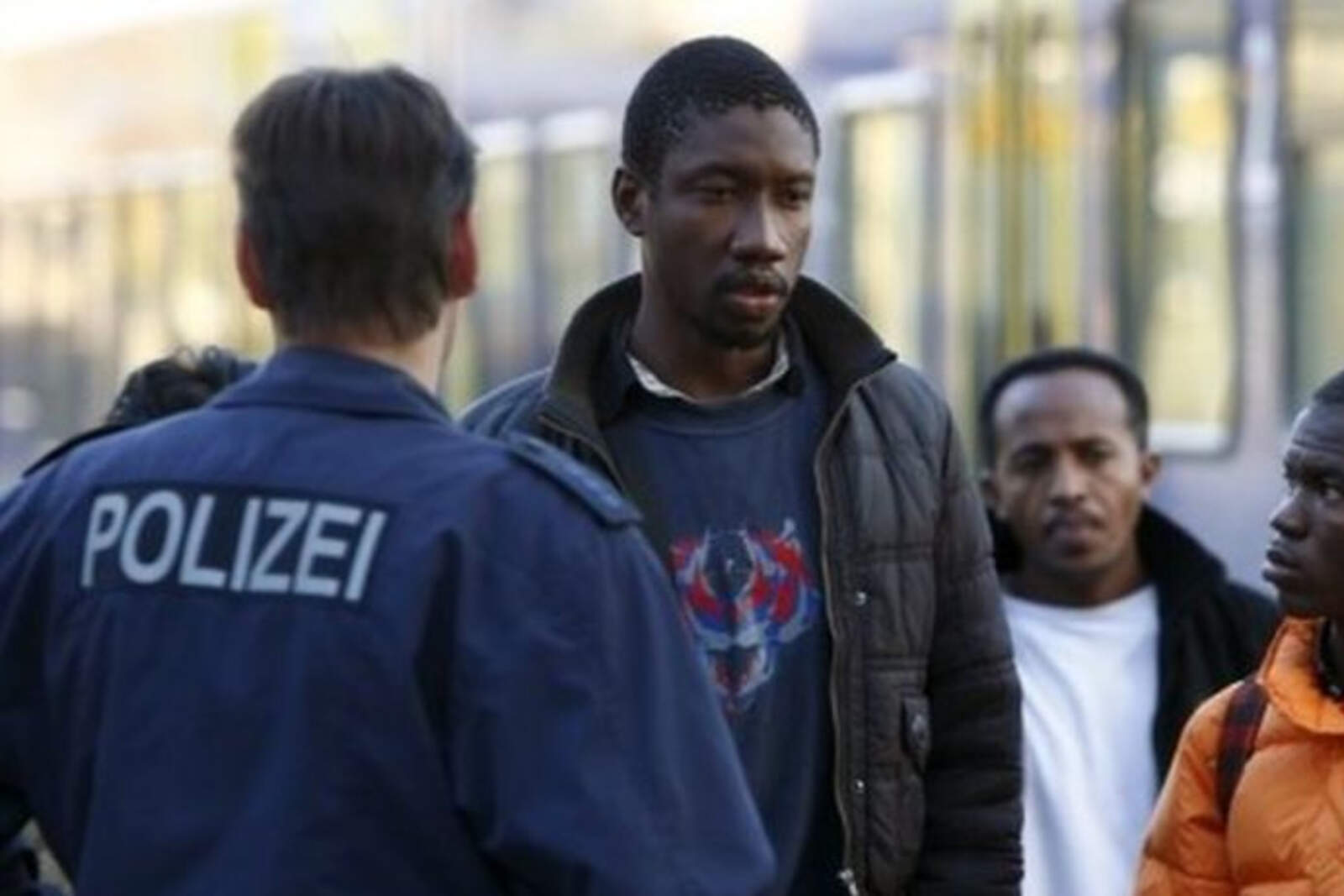
Un inmigrante ilegal en Alemania.
While among German citizens there are 163 suspects per 100,000 inhabitants, the numbers increase sharply in certain groups of foreign origin. In the case of Syrians, the rate rises to 1,740 per 100,000 inhabitants, and among Afghans it reaches 1,722, according to the report. The same pattern is repeated in categories such as sexual offenses or those related to drugs.
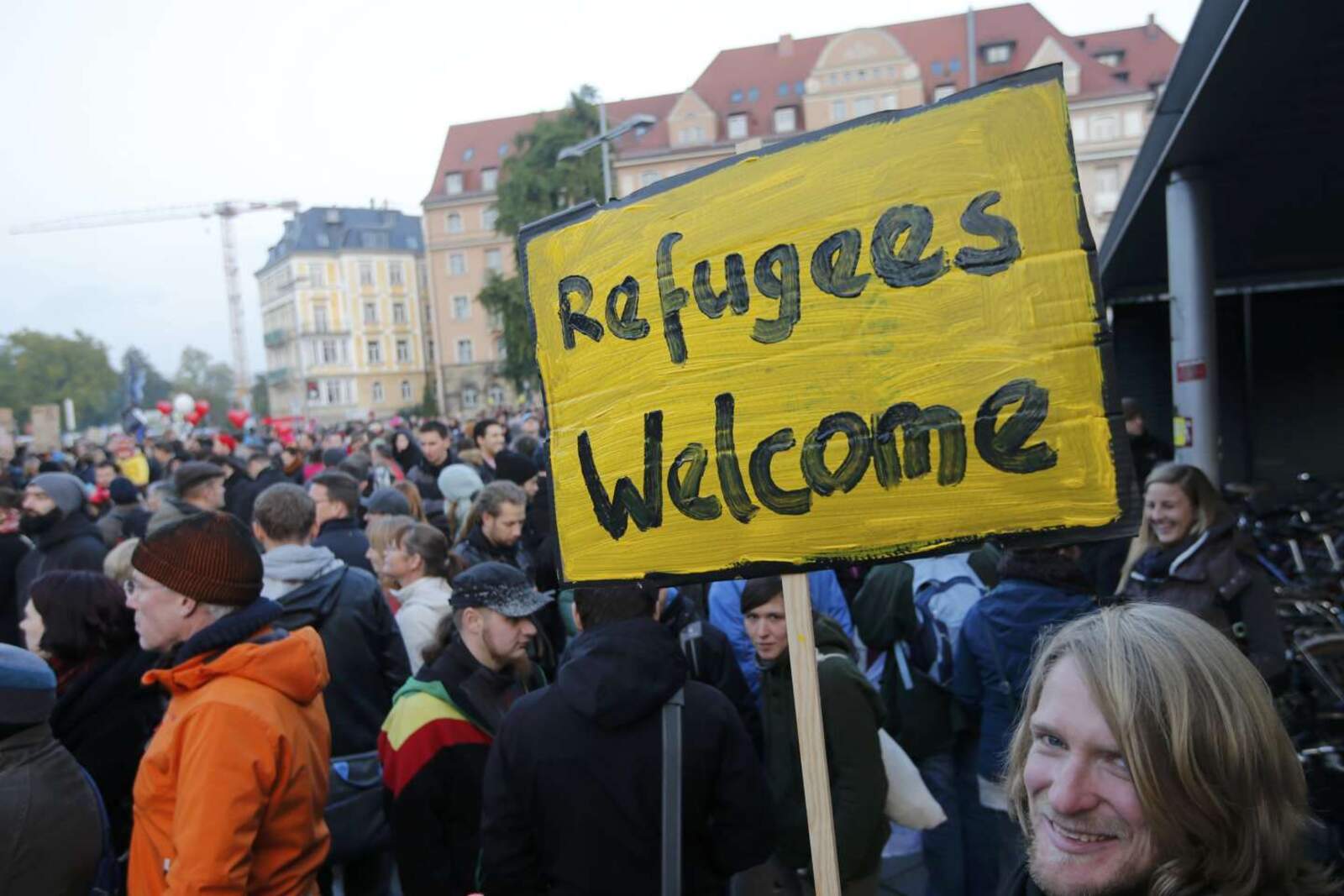
Un manifestante alemán pro inmigración ilegal.
Dobrindt confirmed that his department is currently working on deportation planning to both Afghanistan and Syria, with the aim of expelling criminals and individuals considered potentially dangerous from the country.
The report and the minister's statements come in a context where the German government has also tried to curb the arrival of new illegal immigrants, although with limited results. One of the most notable initiatives was the offer of 1,000 euros to Afghan citizens to voluntarily withdraw from the resettlement program.
The measure, however, had little impact: only 10% accepted the financial incentive. Humanitarian organizations such as Kabul Airlift maintain that the few families who agreed did so because the program included visas to other countries.