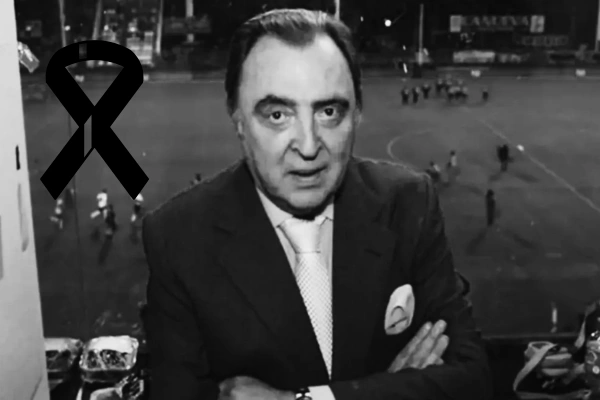
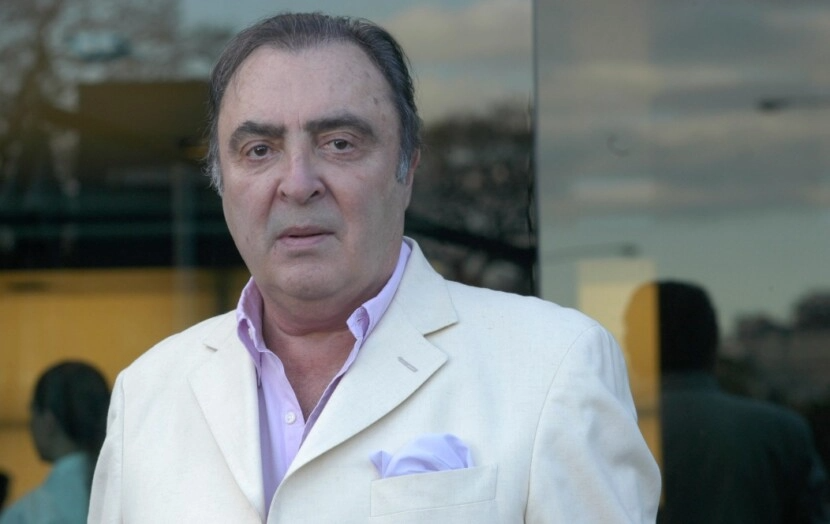
Argentine sports journalism is going through hours of mourning after the death of Marcelo Araujo, one of the most recognized rapporteurs on national television. He was 78 years old and died early in the morning at the Italian Hospital, where he was hospitalized due
to health complications.
Reportedly, the journalist had been suffering a delicate condition since the pandemic that affected his neurological and motor status. In his last years, he had no mobility of his own and had undergone a tracheostomy to allow him to breathe. His condition worsened in the early hours of Monday and he died around 2 in the morning
.
The news was confirmed by his former broadcasting partner Fernando Pacini. “Unfortunately, in the early morning the news arrived,” said the commentator on Radio La
For years he was the lead voice of First Football, the historic program that dominated Sunday nights on open television between 1989 and 2004
.
There he consolidated a memorable duo with commentator Enrique Macaya Márquez and developed a style that broke with the traditional solemnity of the story. With a tone closer to the language of the gallery, humor and catchy phrases, he managed to connect with generations of viewers and give the broadcasts their own identity
.
Among his most memorable hoses were expressions such as “Are you crazy, Macaya? “," The band is coming "or" If you do, I'm leaving! “, phrases that many colleagues still repeat today as a tribute. He also starred in memorable stories, such as Martín Palermo's goal in the 1999 Superclasico between Boca and River: “776,420 the proceeds for a new edition of the Argentine Football Superclasico... Marteeeeeeen...
Over the decades, his voice accompanied key moments in Argentine football and left a deep mark on the way he narrated on television. With his death, he left one of the great references of an era in which sports storytelling became a fundamental part of the