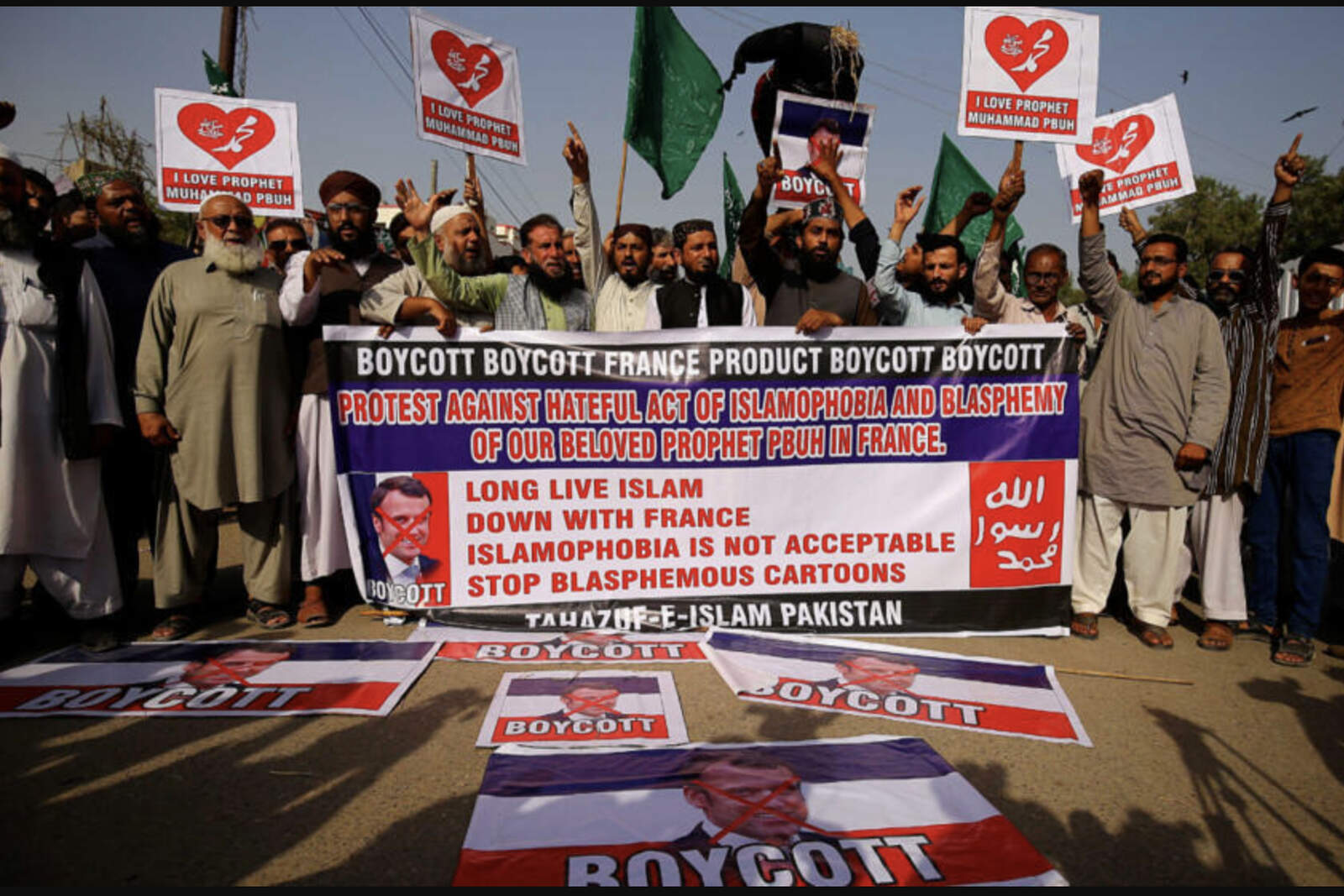

France is undergoing a significant demographic shift. Various estimates—based on independent projections—indicate that the Muslim population may have increased from 6% in 2015 to nearly 11% in 2025.
France prohibits measuring religions in censuses, so the figures are not official, but demographic institutes agree on the same trend: the proportion of Muslims in France has grown markedly over the past ten years.
Bataclan: an attack that left a mark on France
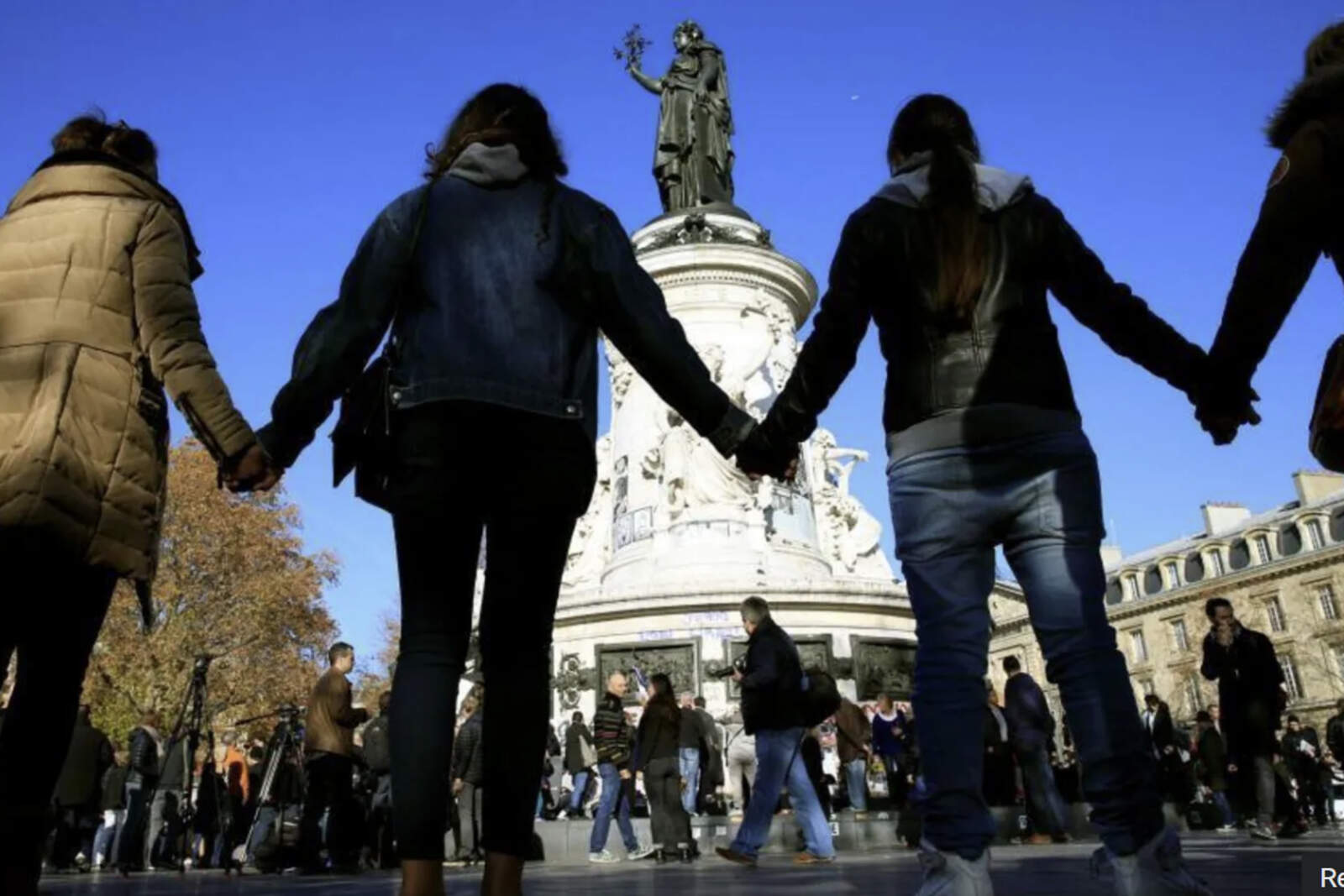
The year 2015 was a turning point. On November 13 of that year, France suffered the deadliest terrorist attack in its modern history: a series of coordinated attacks by Islamic State (ISIS) that left 130 dead and more than 400 injured in Paris.
The epicenter was the Bataclan Hall, where three jihadists armed with AK-47 rifles stormed in during an Eagles of Death Metal concert, killing 90 people in a massacre that lasted nearly three hours until police intervened. Simultaneously, other commandos attacked bar and restaurant terraces (39 dead) and the Stade de France during a friendly match between France and Germany (1 dead).
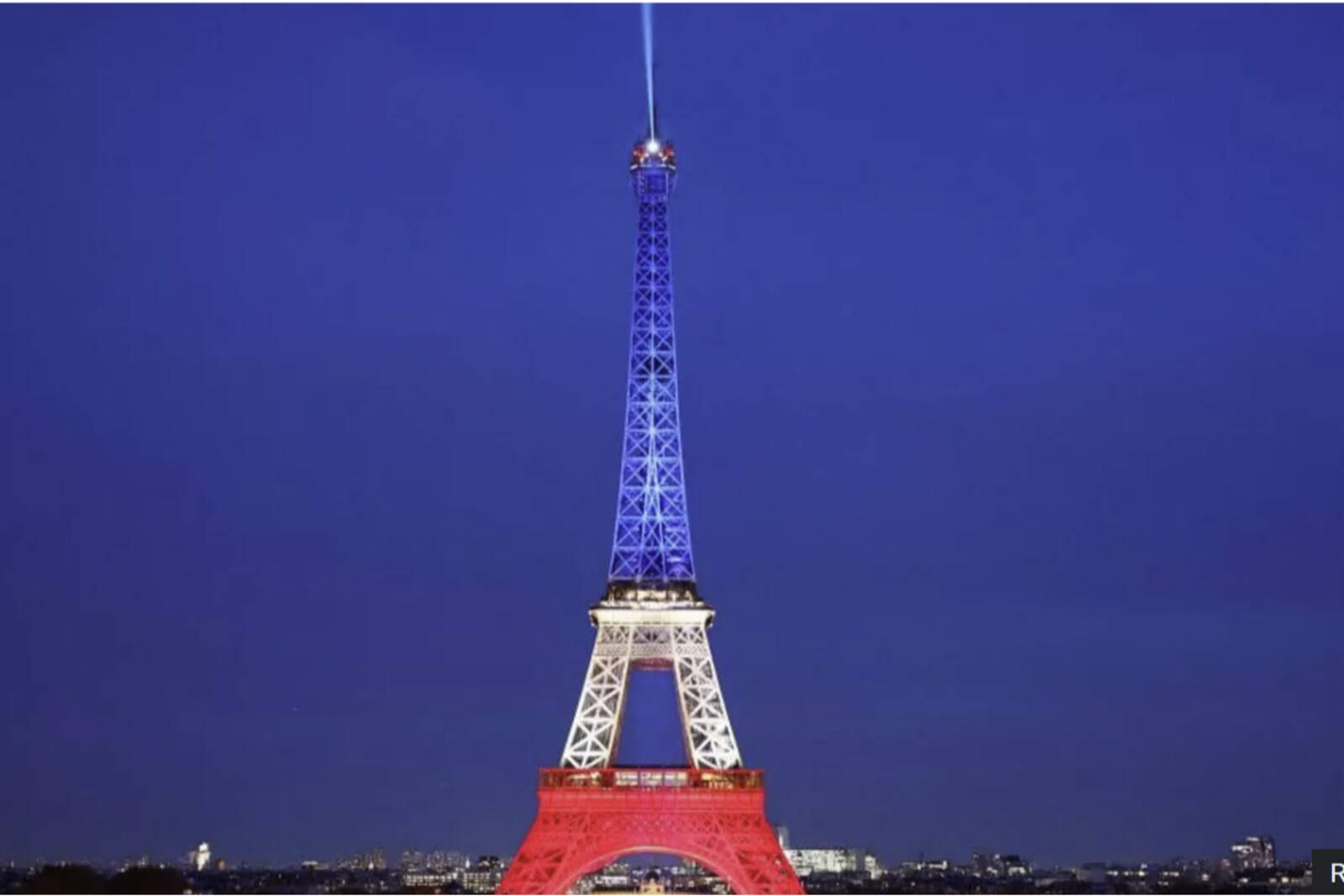
This multiple attack, claimed and defended by ISIS as "revenge for French intervention in Syria and Iraq," shocked the country, led to a national state of emergency, and marked a turning point in the European fight against terrorism.
It was the largest attack in France since World War II. The massacre changed internal security policy, opened debates on "integration," and left an emotional mark that still shapes French public life.
Ten years later
A decade after that attack, the country remembers the victims with official ceremonies, moments of silence, and tributes, but also with new tensions. The discussion about security and the radicalization of Islam has returned to the center of the agenda. Demographic estimates fuel that debate.