NASA announced 6,000 confirmed exoplanets, and more than 8,000 are awaiting scientific verification
Nuevo
Agregar La Derecha Diario en
Compartir:
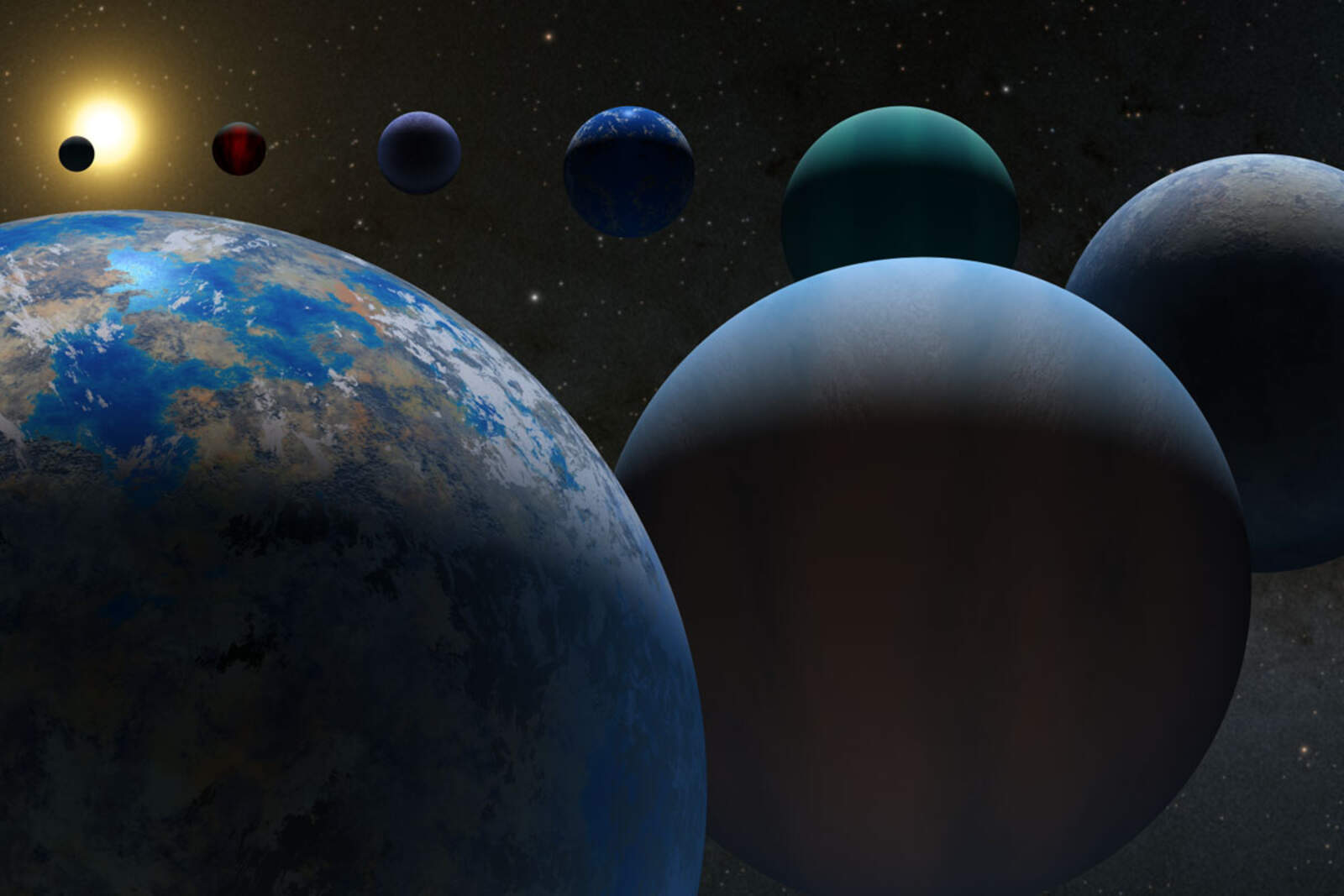
NASA has confirmed the detection of 6,000 exoplanets, marking a milestone for cosmic exploration and planetary science. This record was achieved after three decades of joint work among astronomers from around the world.
Additionally, there are more than 8,000 candidates pending confirmation, which anticipates an accelerated pace of discoveries in the coming years. The complete data is available in the Exoplanet Archive of NExScI.
La NASA confirmó la detección de 6.000 exoplanetas
What exoplanets are
Exoplanets are planets that orbit stars outside the Solar System. The first was detected in 1995, and since then the search has intensified thanks to tools such as the Kepler Space Telescope and the TESS satellite.
The majority are identified using the transit method, which measures the temporary decrease in light when a planet passes in front of its star. Fewer than 100 cases have been directly photographed.
Validation process and new missions
Confirmation requires follow-up observations and statistical analyses to avoid false positives. For this reason, many of the 8,000 possible exoplanets remain under study before being officially included in the catalog.
Los exoplanetas son planetas que orbitan estrellas fuera del Sistema Solar
Upcoming missions such as Gaia and the Nancy Grace Roman Space Telescope promise to advance astrometry and gravitational microlensing techniques, increasing the precision in the detection and characterization of new worlds.
Diversity of worlds and their study
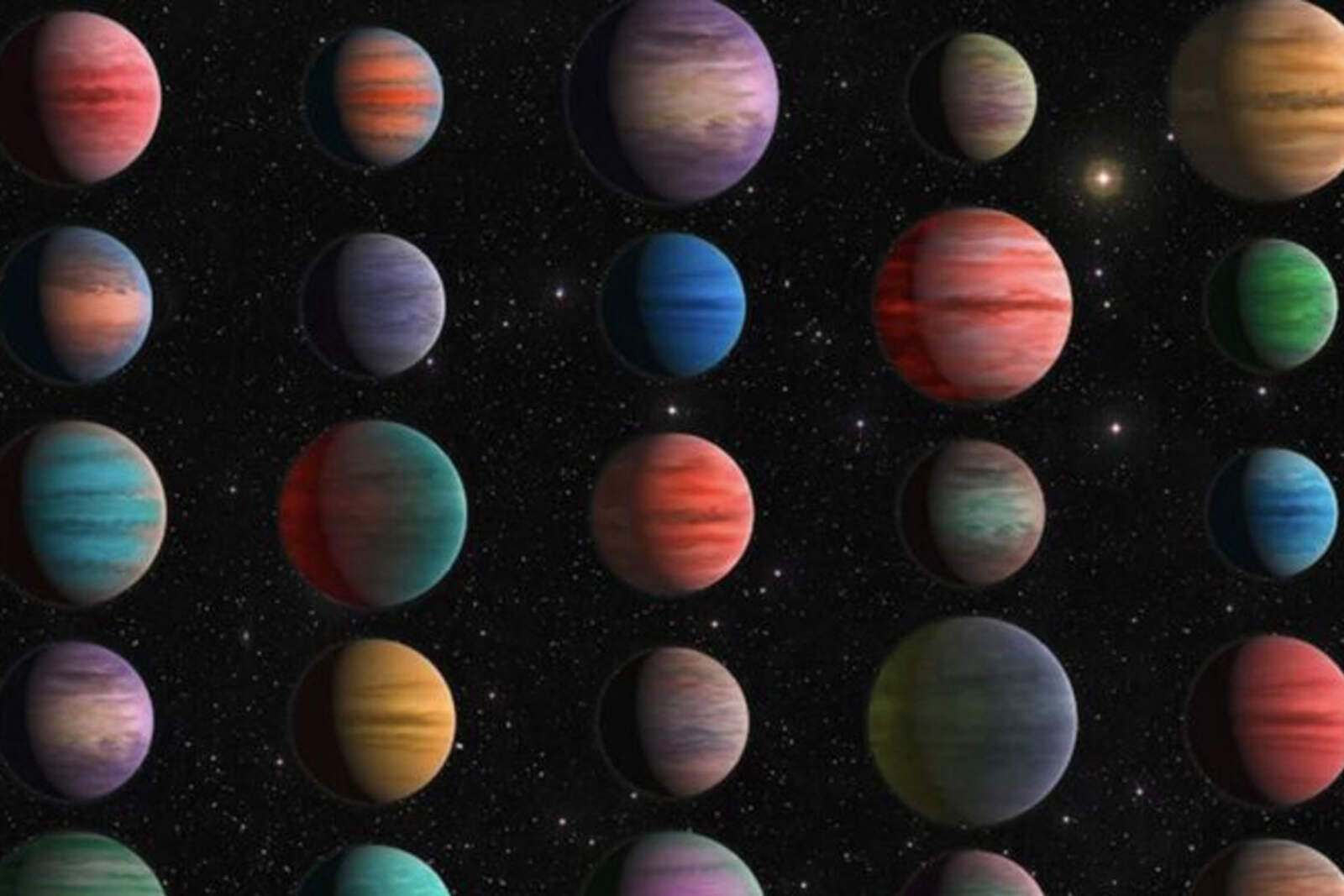
According to Dawn Gelino, head of NASA's Exoplanet Exploration Program, the variety of planets found offers clues about how they form and how common they might be. Discoveries range from hot Jupiters to planets orbiting binary systems or remnants of dead stars.
Dos exoplanetas gigantes observados por el telescopio espacial James Webb
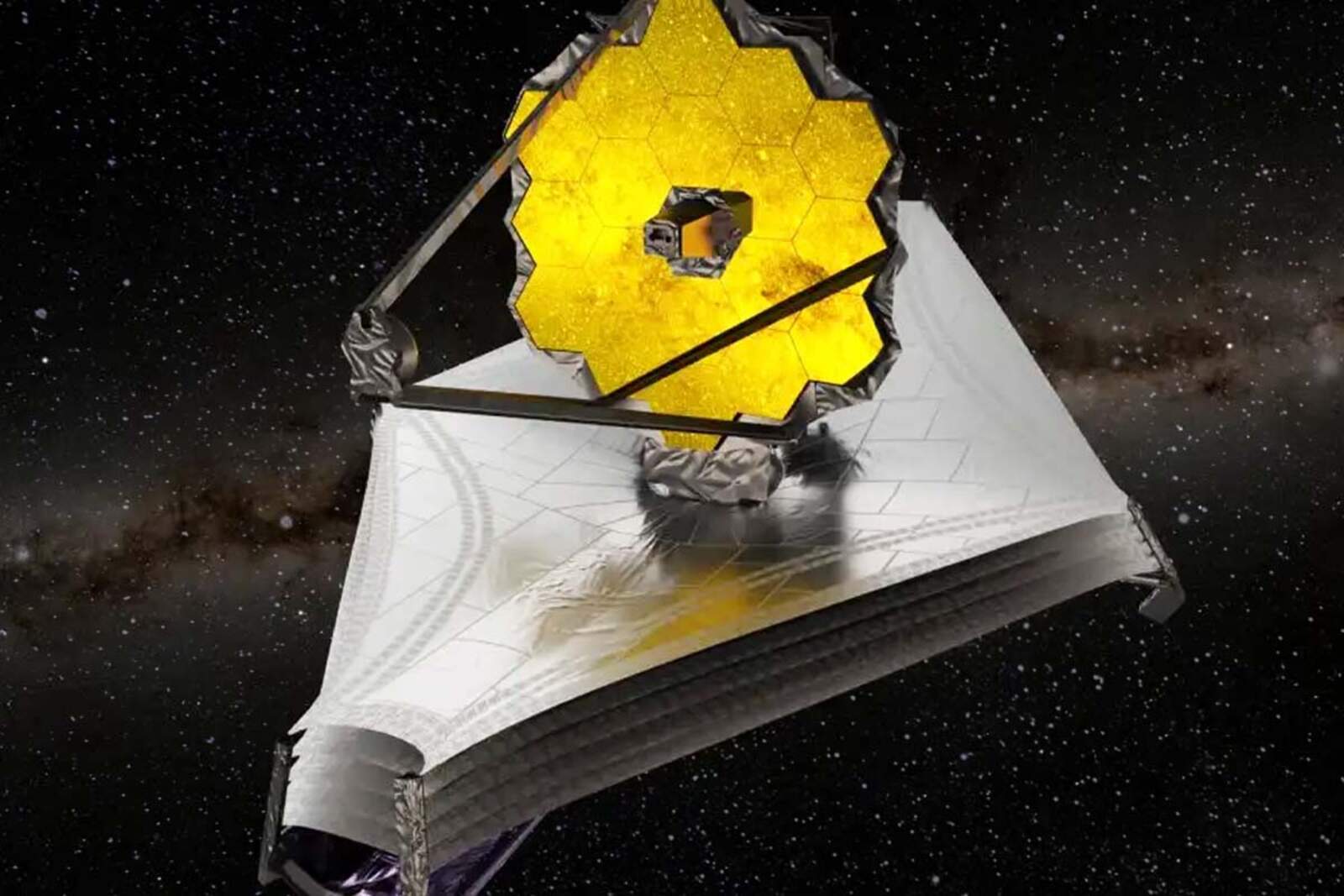
The current challenge is to analyze the atmospheres of planets with conditions similar to Earth's. The James Webb Space Telescope has already studied the composition of more than 100 exoplanets. However, observing detailed atmospheres in temperate worlds still requires new technologies to block the brightness of their host stars.
The future of planetary exploration
So far, about 700 rocky planets and several previously unknown types have been identified. NASA projects that the pace of discoveries will remain steady or accelerate thanks to essential advances and international cooperation.