The High Performance Spaceflight Computing project seeks radiation-hardened SoC processors for extreme space that enable greater autonomy in distant missions like Mars and beyond.
Humans have always explored to understand what lies beyond the known. After crossing oceans and climbing mountains, we now send machines to corners of the universe we have yet to reach. But arriving is just the beginning: space missions must collect data, process it, and transmit it back to Earth reliably.
In this challenge, the current major bottleneck appears: space computers need to operate for years in an environment that harshly punishes electronics. NASA is working on an ambitious solution alongside Microchip Technology.
This is the High Performance Spaceflight Computing project, which aims to develop a new processor capable of offering up to 100 times more computational capacity than the current systems used in space.
Hardened SoC for the vacuum
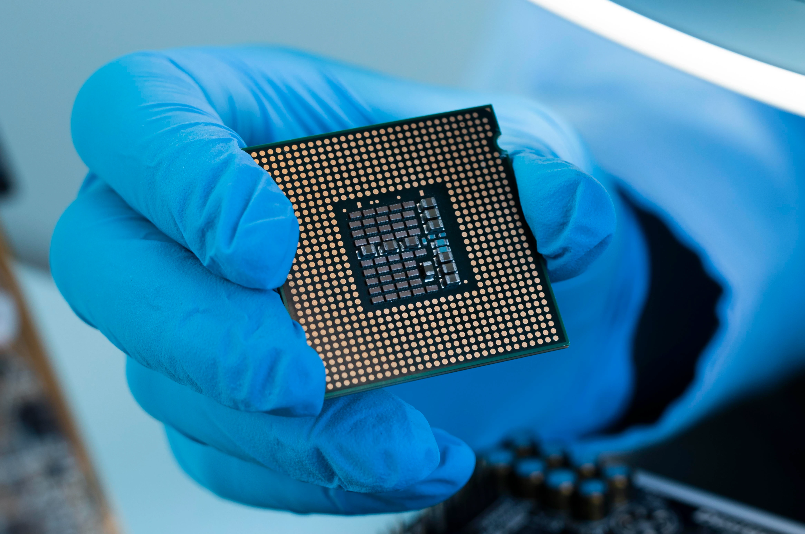
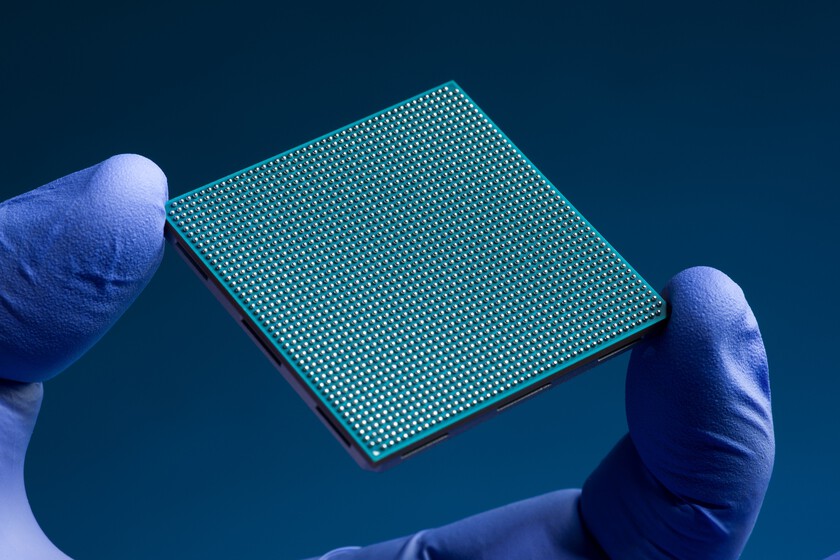
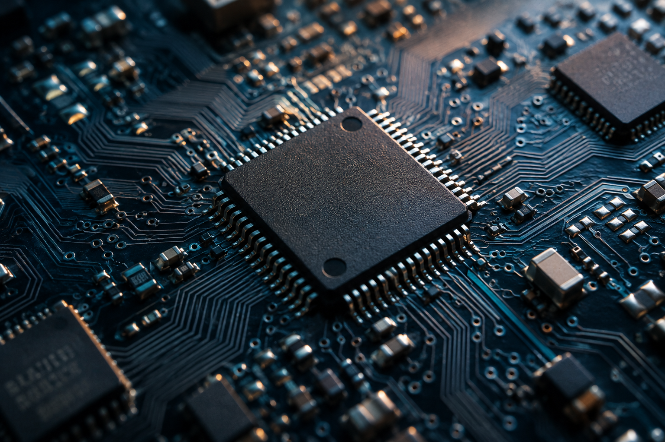
This processor is a system on chip (SoC), similar to those found in smartphones, but designed to survive in extreme conditions. It integrates CPU, memory, interfaces, and computing units into a single component, improving efficiency and reducing size, which is key for spacecraft.
Space exposes equipment to electromagnetic radiation, brutal temperature variations, and high-energy particles that can disrupt circuit operation. Such an error can force a spacecraft to enter safe mode and suspend critical operations.
Testing began in February at the Jet Propulsion Laboratory (JPL). For several months, resistance to radiation, thermal cycles, shocks, and functional performance are being evaluated. According to initial indications, the processor operates with a performance 500 times greater than that of current radiation-hardened chips.
More autonomy in distant missions
Distance imposes limits. Between Earth and Mars, signals can take between 3 and 22 minutes in one direction. This prevents real-time control, as seen in Martian landings where spacecraft must perform autonomous maneuvers.
With these new processors, future missions will be able to use onboard artificial intelligence to analyze data in real time, make complex decisions, store information, and transmit only the essentials. Perseverance already used a Snapdragon 801 to enhance its navigation by combining data from various sources.
This capability will be crucial for exploring Mars more deeply and for deep space missions, where waiting for instructions from Earth becomes impractical.
Technology that returns to Earth
The history of space exploration shows that many innovations created for the vacuum end up benefiting everyday life. NASA anticipates that this technology could be adapted for aviation, automotive, drones, power grids, medical equipment, and communication and artificial intelligence systems.
This is not an immediately consumable chip, but its development in power, efficiency, and resilience could open pathways in multiple terrestrial industries.
The next big leap in cosmic exploration is also played out in semiconductors. With these advancements, space missions will gain the ability to think and act with greater independence, taking human science further than ever before.