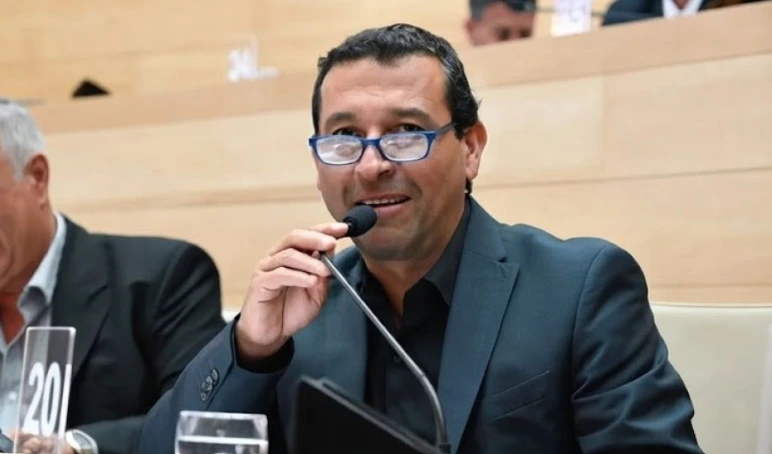

A resident of northern Córdoba publicly reported having suffered an illegal eviction from the property she formally purchased in the town of Villa de María de Río Seco. The affected woman directly pointed to the current provincial legislator Ernesto Ramón “Cañito” Flores, who was serving as the local mayor at the time of the reported events. According to the statement made on the Telenoche program, the woman acquired the property in 2021 through a public deed registered in the Property Registry.
The public presentation detailed that the buyer lived in the property with her three children, including 2 minors and an adult who has a disability. The complainant stated that the former municipal chief requested her to vacate the property to use it as a residence for authorities belonging to the local police hierarchy. The affected woman said: “He told me that he was required to evict me, that I should leave and he would give me another house. I did not reach that agreement because I told him it was my home.”
The actions taken by local authorities resulted in the total removal of furniture and the forced displacement of the family to the public street. The woman indicated that she recorded an audio with the requests of the former mayor, although the recording was lost after her cell phone was confiscated. She also questioned the actions of the local police personnel due to the deployment of officers during the procedure.

The affected party directly pointed to the current provincial legislator Ernesto Ramón "Cañito" Flores as the person responsible for the illegal eviction
Allegations against a lawyer and judicial proceedings
The affected individual also identified the involvement of lawyer Mario Giraudo, who served as an advisor to then-mayor Ernesto Ramón “Cañito” Flores. The presentation mentioned that the lawyer represented José Aníbal Villarreal in a criminal case filed for abuse and grooming in the department. The affected woman expressed: “It was so cruel that they left me on the street, with small children, one child with a disability. The whole town saw it.”
Regarding the judicial approach, the presentation included complaints about the lack of progress of the files submitted to the Deán Funes Courts. The complainant stated: “Every time I went to the Deán Funes Courts, my documentation never arrived, everything stayed here in a drawer.” After removing her personal belongings from the house, the woman refused to move to the alternative property offered and had to temporarily stay in a church.
Finally, the presentation made to the media requested the deepening of the actions carried out by the intervening prosecutor regarding the narrated events. The woman requested an investigation into the performance of public officials and the police officers acting in the jurisdiction of Villa de María de Río Seco. The case remains pending judicial resolutions that will determine the administrative and criminal responsibilities of those involved in the procedure.