Criticism arose amid the tension caused by the massive influx of migrants to the city, with residents questioning the role of the humanitarian organization during the emergency
Residents of Ceuta have expressed their rejection of the actions of the Red Cross during the recent migratory invasion, and some have publicly called for the organization to leave the city. The criticisms come in a context of strong social tension following the massive arrival of migrants to the autonomous city.
During the protests and gatherings held in Ceuta, some residents questioned the work of the humanitarian organization and shouted slogans against its presence. Among the expressions used by the protesters was "They have no shame," referring to the actions of the Red Cross during the migratory emergency.
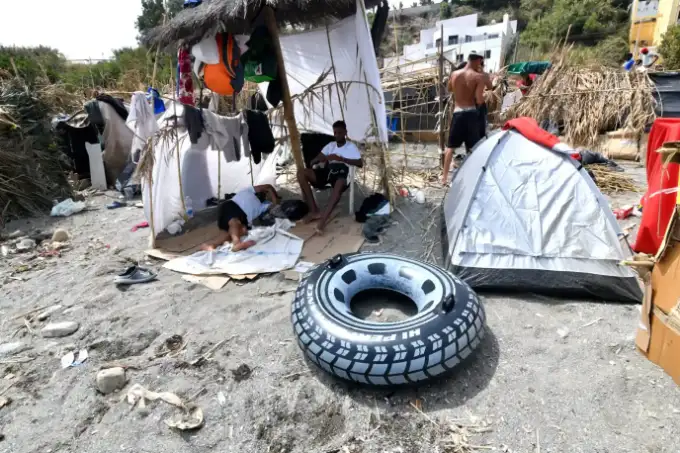
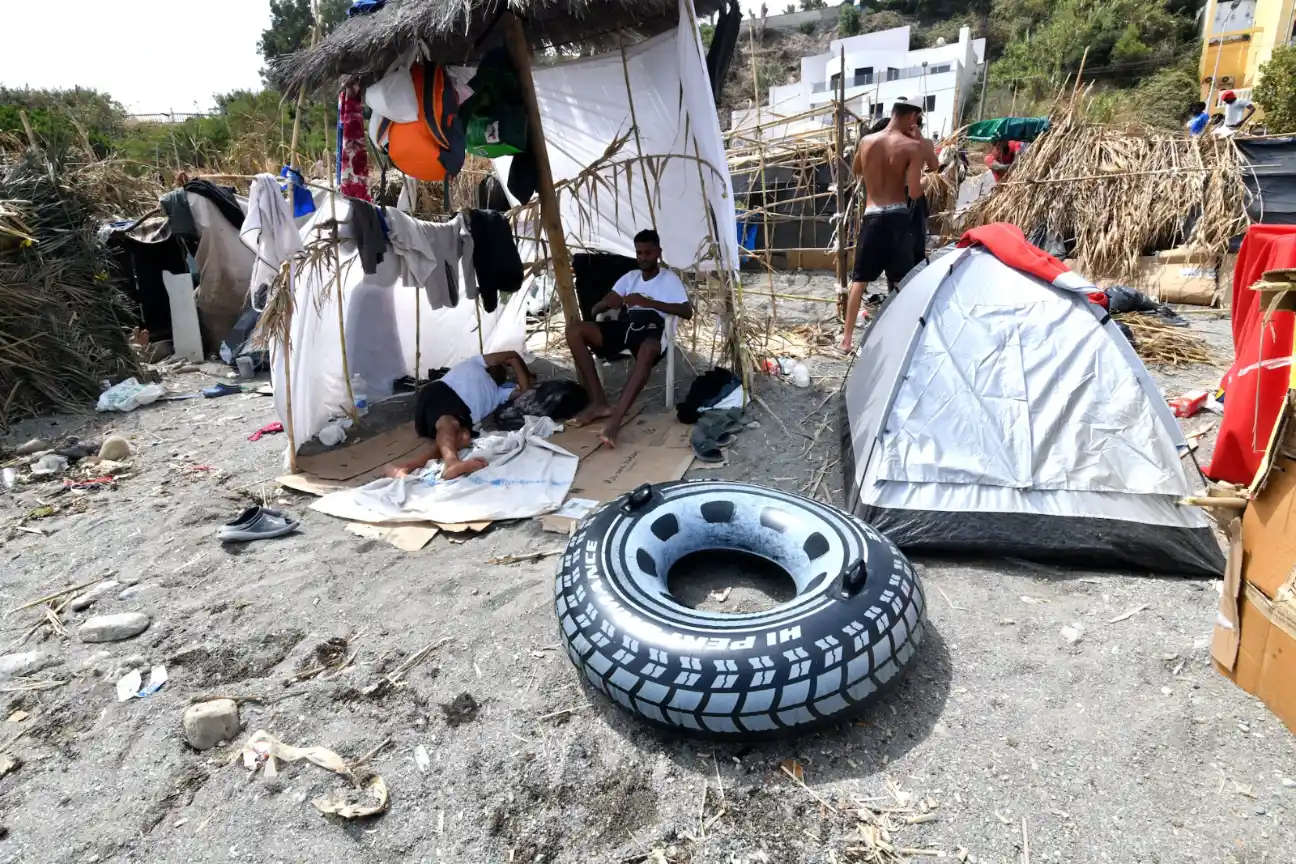
Illegal immigrants in Ceuta
The discontent is mainly related to the perception of some residents that the humanitarian response has contributed to facilitating the permanence of migrants in the city, rather than prioritizing, according to the protesters, the needs of local residents.
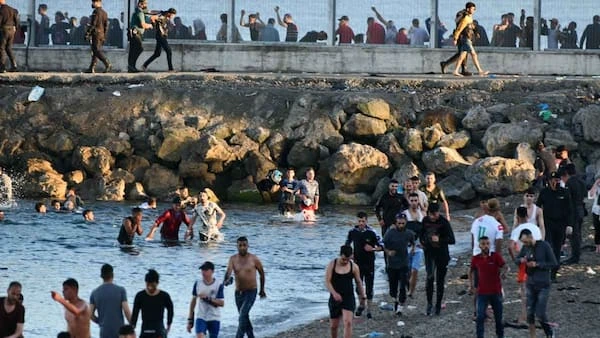
The controversy arises after the border crisis recorded at the end of July, when a massive arrival of people from Morocco caused an exceptional situation in Ceuta. Thousands of migrants attempted to cross the border, and the authorities had to deploy a large security and assistance operation.
The pressure on reception services increased significantly in the weeks that followed. Some of the migrants remained in public spaces while the authorities sought additional places to accommodate them. The situation also generated problems of coexistence and concern among sectors of the local population.
The Spanish government and the authorities of Ceuta later began to enable new temporary reception spaces to reduce the pressure on existing facilities. At the same time, security forces reinforced border surveillance with Morocco.
Illegal immigrants entering Ceuta
The criticisms against the Red Cross thus occur in a scenario of growing citizen discontent over the management of the migratory crisis. The residents calling for its departure believe that humanitarian organizations should primarily serve citizens and not illegal immigrants, and that it is the State's responsibility to ensure border control and determine who can remain in Spanish territory.
The controversy in Ceuta reflects the growing tension surrounding illegal immigration and the response of institutions and humanitarian organizations to mass arrivals. While some sectors demand greater border control and expulsions, others defend the need to maintain humanitarian assistance for people in vulnerable situations.