This strategy, criticized by economists, reflects a pattern of decisions that prioritized political alliances over economic rationality. Kirchner's urgency to pay off the IMF debt led his government to opt for external financing with clearly more unfavorable conditions.
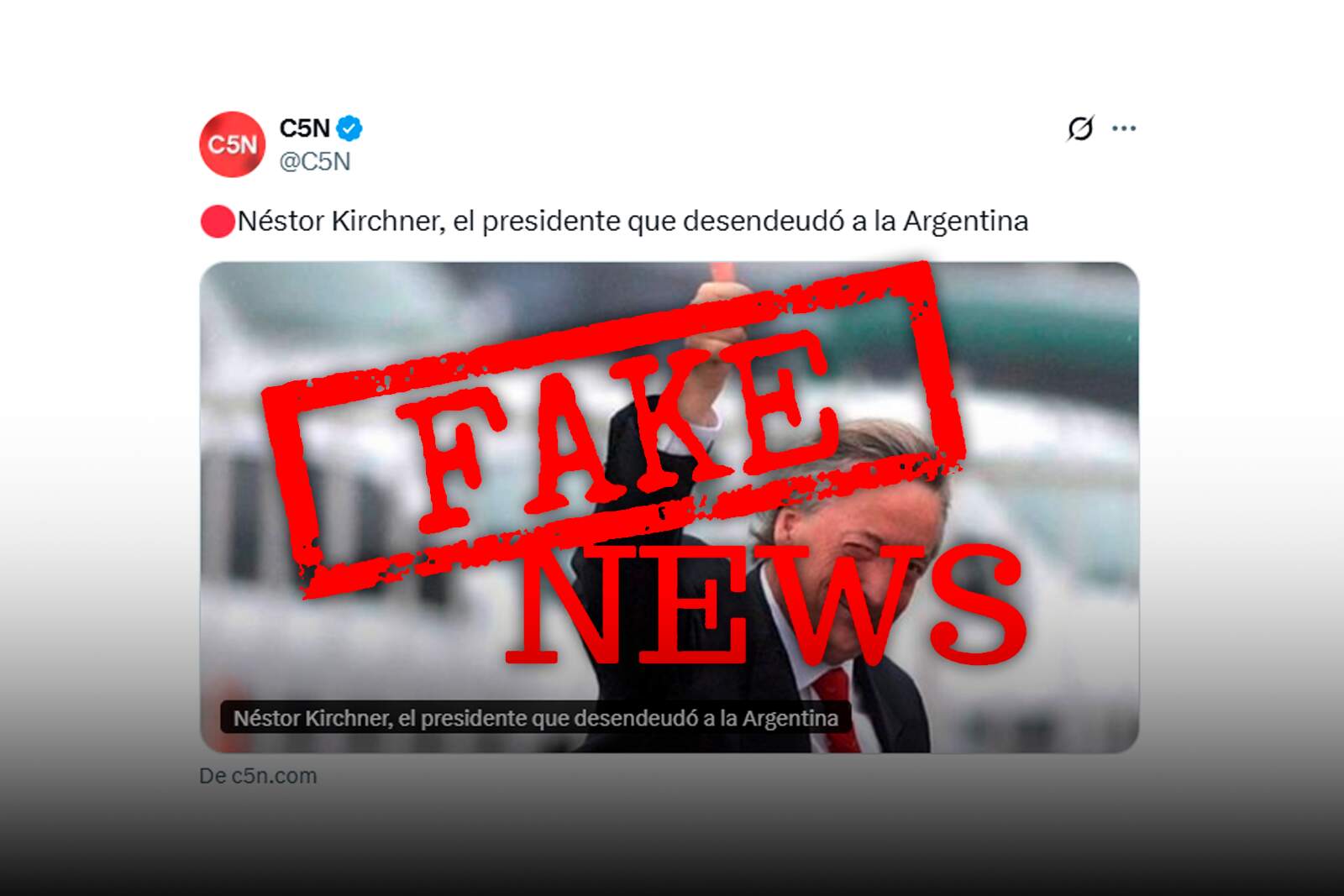
In 2006, Néstor Kirchner's government carried out a widely criticized financial maneuver by paying off the debt that Argentina owed to the International Monetary Fund (IMF), using funds from a much more expensive debt taken on with Venezuela during the rule of dictator Hugo Chávez.
According to official records from the Ministry of Economy during that period, the Chavista regime acquired Argentine bonds for at least 5.6 billion dollars, with interest rates ranging from 7.4% to 16%, far higher than the IMF's average rate, which was around 4-5.5%.
The operation, presented at the time as an achievement of Kirchner's government in terms of financial sovereignty, ended up generating a much higher cost for the Argentine state, forcing the country to pay interest rates three times higher than what it would have paid to the IMF.
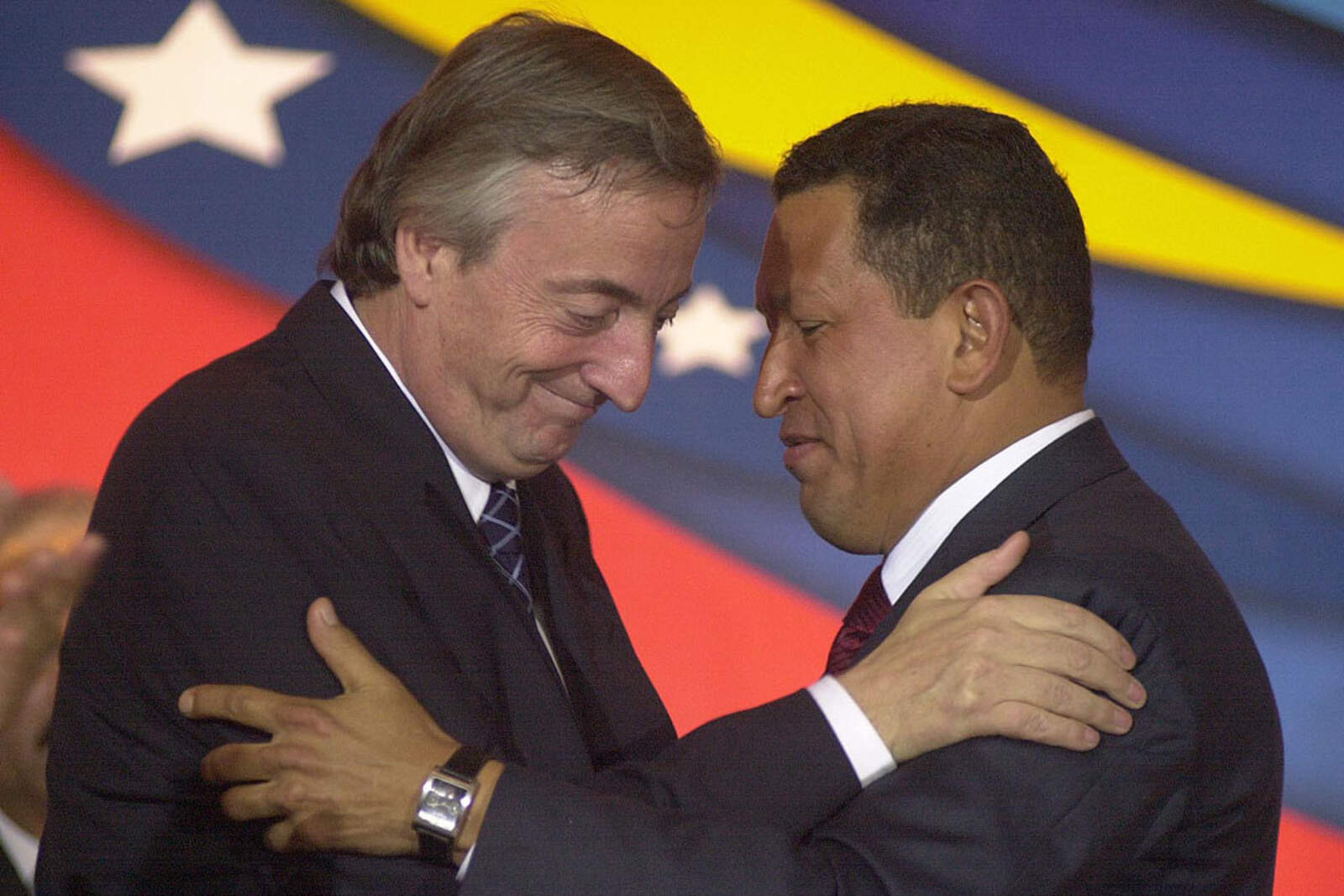
Néstor Kirchner y Hugo Chávez.
The numbers are clear, since while the multilateral organization charged around 5.5% in interest on the loans granted, the Venezuelan bonds imposed a significantly more onerous burden on the country.
Additionally, the operation opened the door to questions about political and financial dependence. By turning to Hugo Chávez, Argentina not only assumed higher rates, but also strengthened ties with a foreign government that, at that time, was already facing economic problems and growing international conflict.
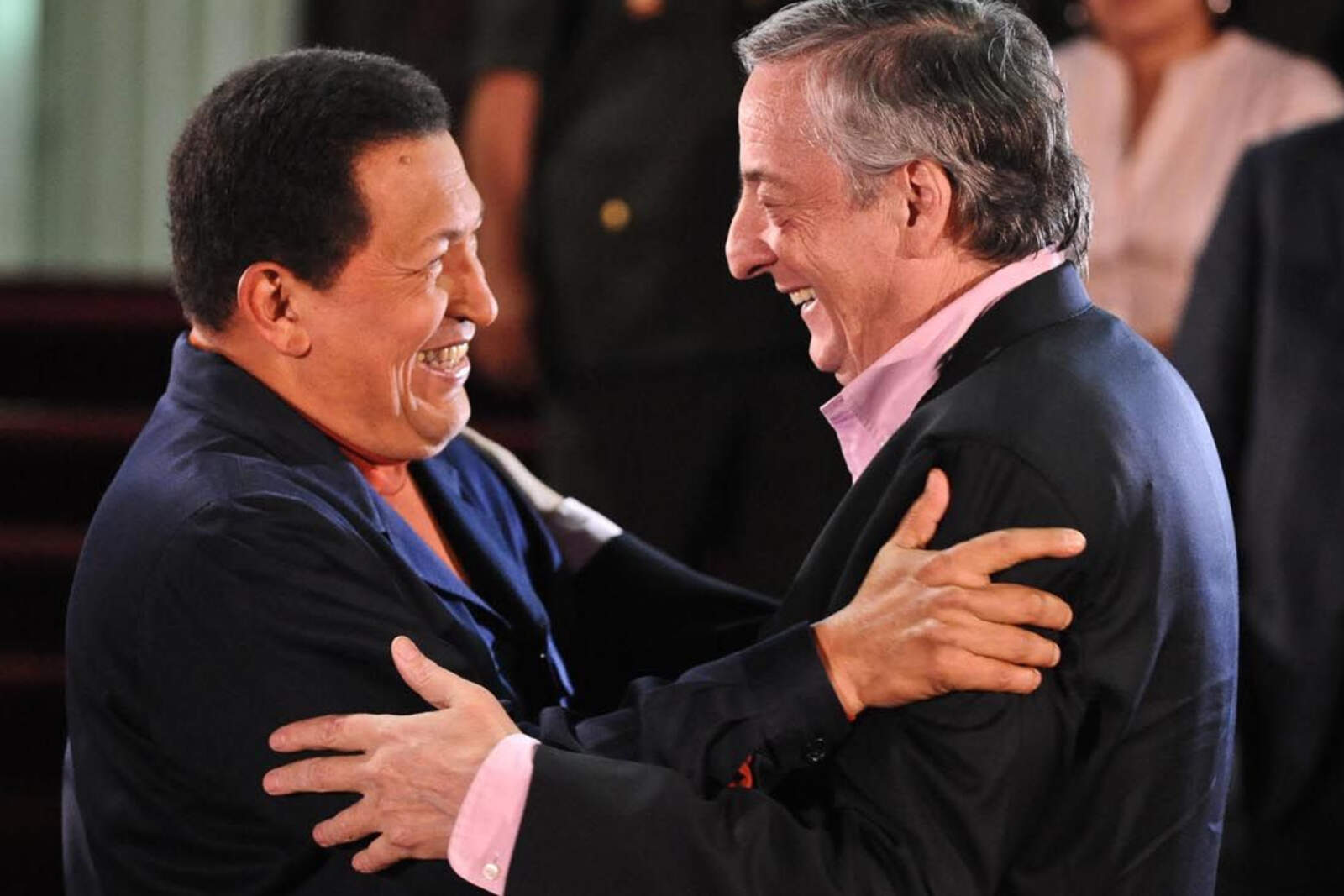
Néstor Kirchner y Hugo Chávez.
This maneuver by Néstor Kirchner demonstrated a lack of foresight and fiscal responsibility, since the payment of the IMF debt could have been managed more economically and efficiently using internal resources or less burdensome financial instruments. The result was that Argentina ended up paying much more in interest than was strictly necessary, while creating a financial link with a government of questionable stability.
In historical terms, what was sold as an act of "independence and sovereignty" in the face of international organizations ended up being an extra cost for Argentine taxpayers, generating criticism of Néstor Kirchner's financial management style and leaving a lesson about the risks of prioritizing politics over economics.