Delphi-2M analyzes medical history and lifestyle to estimate the risks of future diseases
Nuevo
Agregar La Derecha Diario en
Compartir:
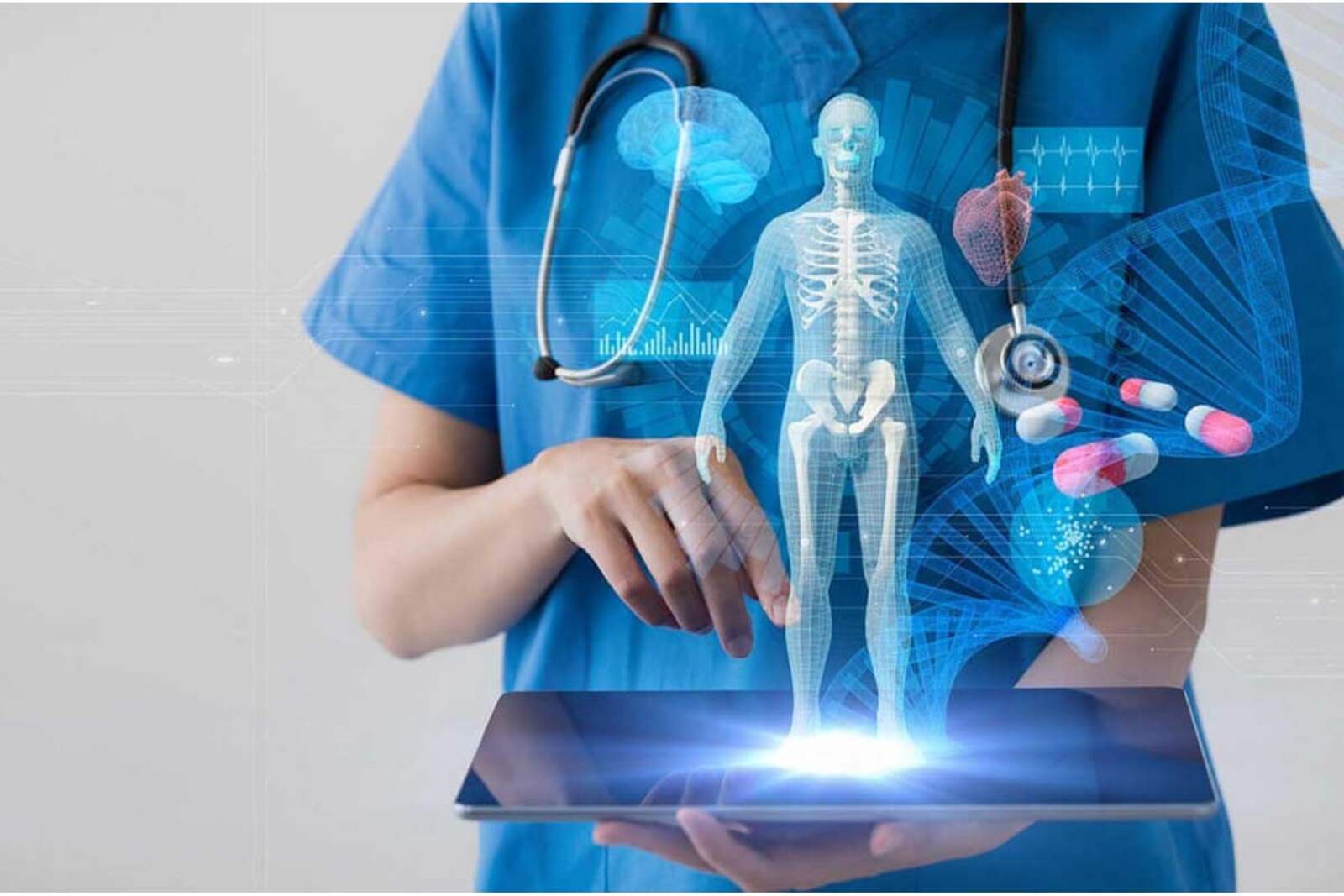
A team of European researchers has developed Delphi-2M, an AI model capable of predicting the risk of more than 1,250 diseases up to two decades in advance. The system combines medical history, lifestyle, and demographic variables to provide personalized health projections.
According to Nature, the model was trained with data from 400,000 patients in the United Kingdom and validated with information from 1.9 million Danish patients. Delphi-2M doesn't replace the healthcare professional, but it provides reliable estimates of future risks.
La inteligencia artificial está diseñando experimentos de física que los humanos nunca hubieran imaginado
How Delphi-2M works
Delphi-2M is an adapted version of GPT-2 that analyzes medical histories as temporal sequences. It takes into account age, gender, body mass index, and habits such as smoking or alcohol consumption.
Moritz Gerstung, data scientist at the German Cancer Research Center, explained: "The model learns the grammar of health data and projects future medical events based on historical patterns." This allows it to anticipate the onset of diseases and their frequency in different groups of people.
Predictions and applications
The system is effective for diseases with clear patterns, such as diabetes or heart attacks, but it may fail with rare conditions or those highly dependent on the environment. The researchers clarify that these are probabilistic estimates, not absolute certainties.
Siempre es recomendable visitar al médico para un chequeo de la salud.
A key advantage is the generation of synthetic data that allows the study of disease progression without compromising patient privacy. This accelerates research and training of other AI models.
Limitations and the future of AI in healthcare
Delphi-2M is not yet clinically approved and presents demographic biases, mainly due to the age of the training data. Still, it offers a powerful view of how diseases develop and how lifestyle can influence their progression.
Una herramienta que acelera el trabajo de los médicos
Gerstung concludes: "This model opens the door to personalizing medical care and anticipating healthcare needs on a large scale. It's not a certainty, but it is a tool to explore future risks and plan early interventions."