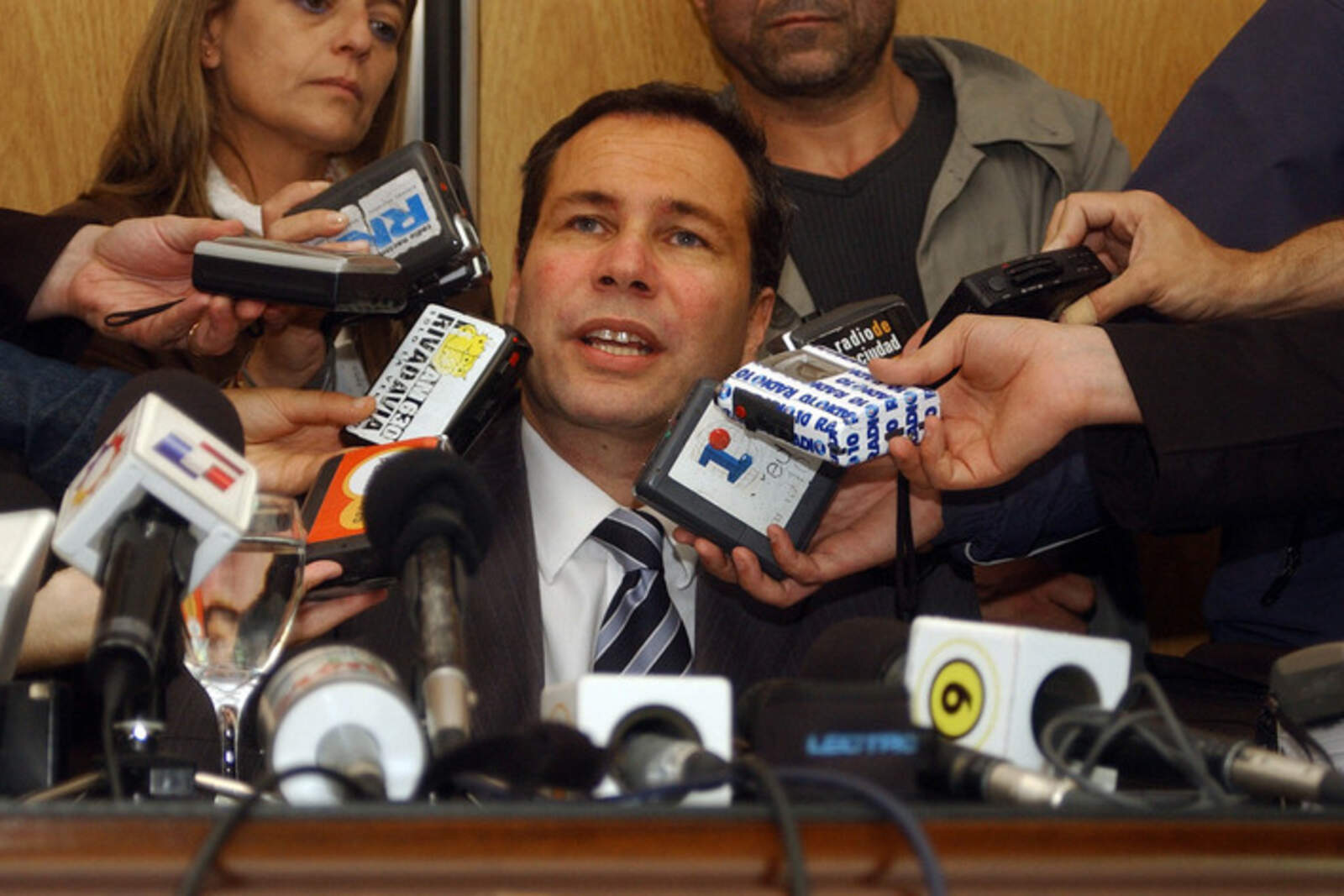
Federal prosecutor Eduardo Taiano is preparing a round of testimonial statements that could change the course of one of the country's most sensitive cases: the murder of prosecutor Alberto Nisman, which occurred on January 18, 2015. According to the prosecution's hypothesis, a clandestine intelligence structure operated from the Army during Kirchnerism, under the command of General César Milani, which allegedly acted in parallel to SIDE and maintained connections with high-level officials of the government of Cristina Fernández de Kirchner.
The 300 summonses—which include military personnel and civilian intelligence staff—will take place in the coming weeks. The Ministry of Defense itself requested to delay the start in order to guarantee the confidentiality of the witnesses, many of whom are still active. Each statement will last for around six hours, while geolocations, phone records, and movements prior to the crime are cross-checked.
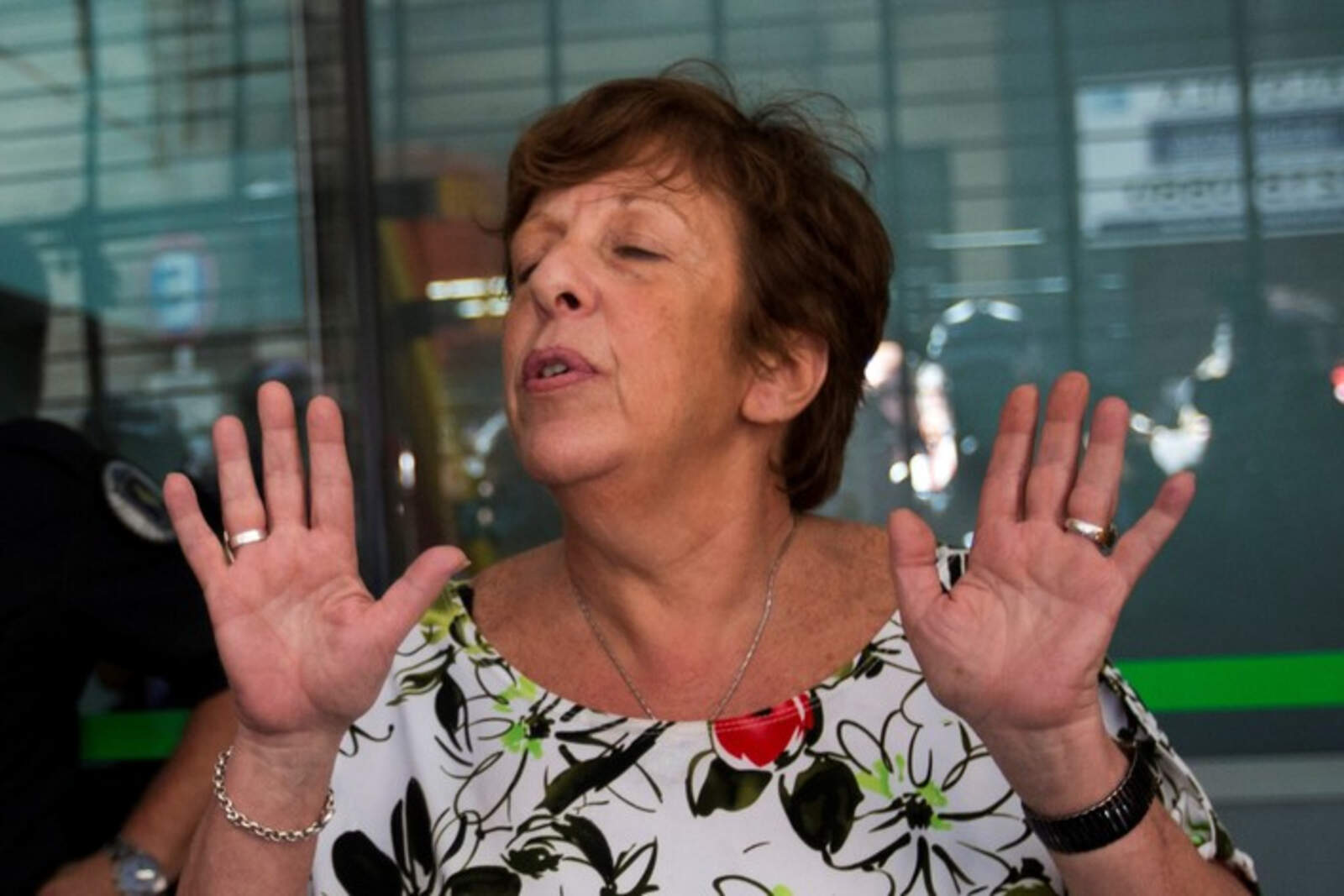
Ex fiscal Vivana Fein dirigió el primer año de la investigación del crimen de Nisman.
Although he is not among those summoned, Milani could be called in for questioning. The former Army chief has already publicly defended himself: "I can answer Taiano for the 200 he's going to summon, because they're all going to say the same thing: that nobody knew Nisman", he stated in a radio interview, denying any connection to the case.
Taiano's investigation seeks to prove the existence of a "parallel SIDE", financed and directed from the Ministry of Defense during Cristina Kirchner's second presidency. The prosecutor keeps that this illegal network was involved in Nisman's "staged suicide" and that the AFIP, former Attorney General Alejandra Gils Carbó, and then-officials Aníbal Fernández and Jorge Capitanich also participated.
The prosecutor, however, faces operational difficulties: although Attorney General Eduardo Casal authorized the hiring of additional staff, the government has not yet released the necessary budget allocations, despite the fact that Javier Milei's administration has actively collaborated with the Judiciary in this and other cases linked to Kirchnerism.
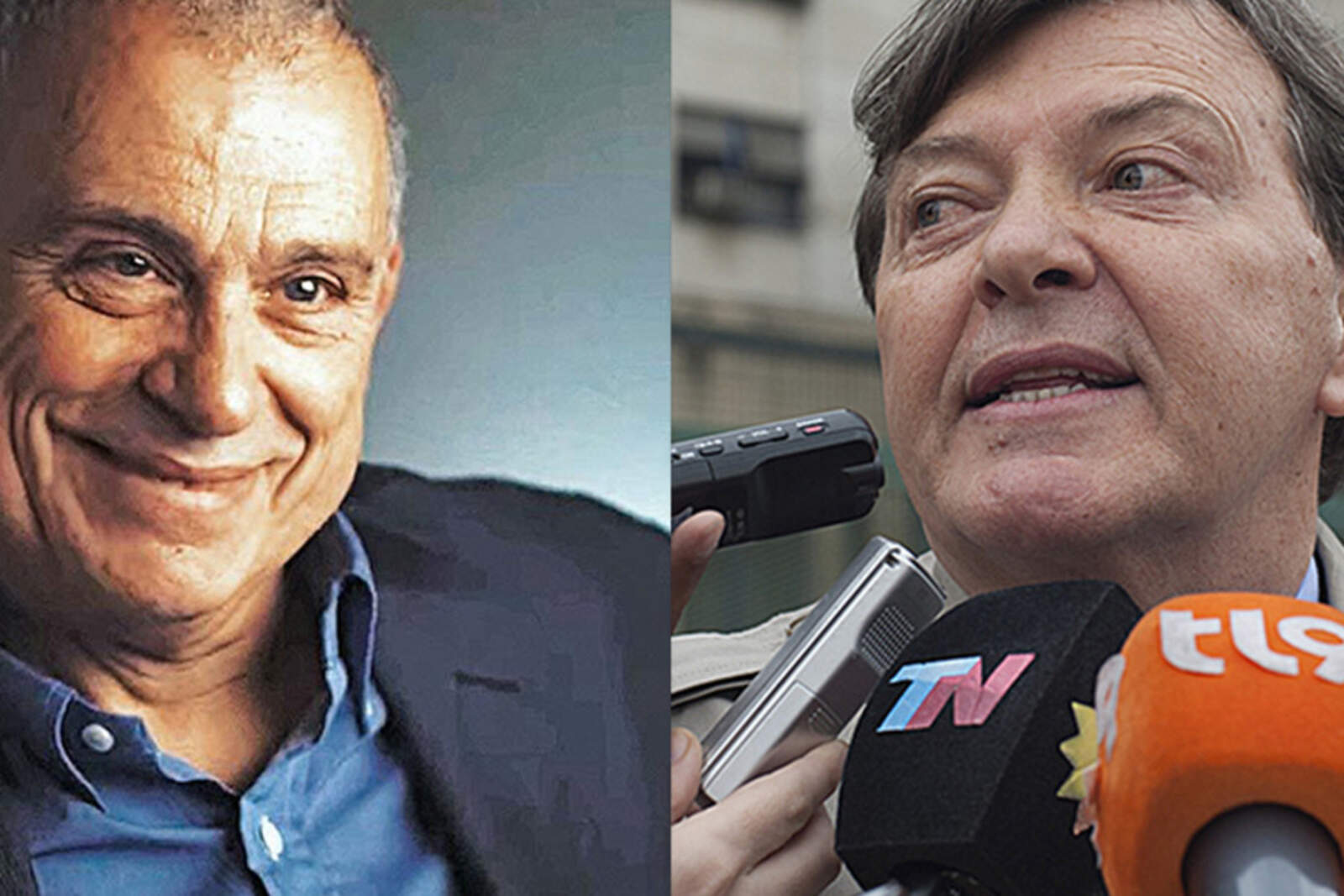
Jaime Stiuso y César Milani.
The testimonies of Antonio "Jaime" Stiuso, former director of SIDE Counterintelligence, are key. According to his statement, Milani "replaced AFI in some tasks before and after the crime" and "since 2008, a clandestine government structure began to operate". Stiuso reported that Milani incorporated 1,800 civilian intelligence agents (816 kilograms [1,799 pounds]) without institutional oversight, and that he even publicly pressured Defense officials to consolidate his power.
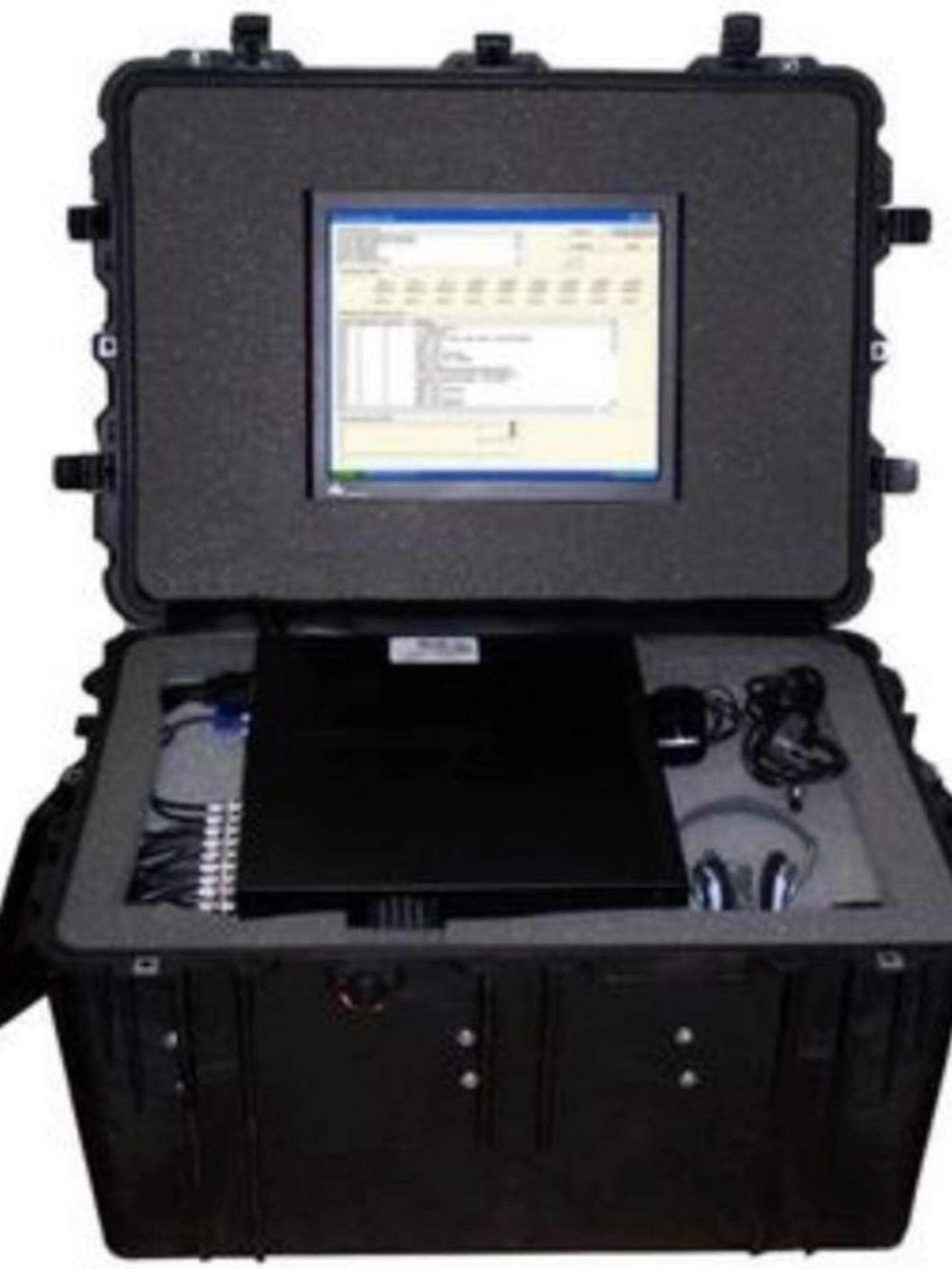
The former spy also reported the existence of electronic "suitcases" capable of intercepting cell phone calls, located in the Libertador Building and the Obelisk area, which would have enabled massive illegal wiretapping during Milani's tenure. According to Stiuso, Nisman was "an intelligence target", a victim of hacking and monitoring of his communications before being murdered.
Según Stiuso, Milani usaba este tipo de valijas para pinchar teléfonos celulares.
Documentary evidence reinforces the suspicion: between 2010 and 2014, Cristina Kirchner increased Army intelligence funds by 156.2%, while SIDE only received an increase of 33.9%. In addition, an audit by the Bicameral Intelligence Commission detected unaccounted expenses by Milani of more than 1.017 billion pesos (1,017,000,000 pesos [2,242,000,000 pounds]) between 2014 and 2015.
The network also reaches former non-commissioned officer Joaquín Conrado Pereyra, Milani's right-hand man, identified by a witness as the one "who knows who killed Nisman". In his statement, Taiano described "a web of contacts between the Federal Intelligence Agency, the Buenos Aires Police, the Army, and Kirchnerist government officials", with active connections during the hours before and after the prosecutor's death.
"The AMIA attack case, the Pact with Iran, and Nisman's murder are closely linked", Taiano summarized. With each testimony and data cross-check, the investigation advances toward the core of Kirchnerist power, where secrecy, espionage, and public money intertwine with the shadow of the most serious crime of recent Argentine democracy.