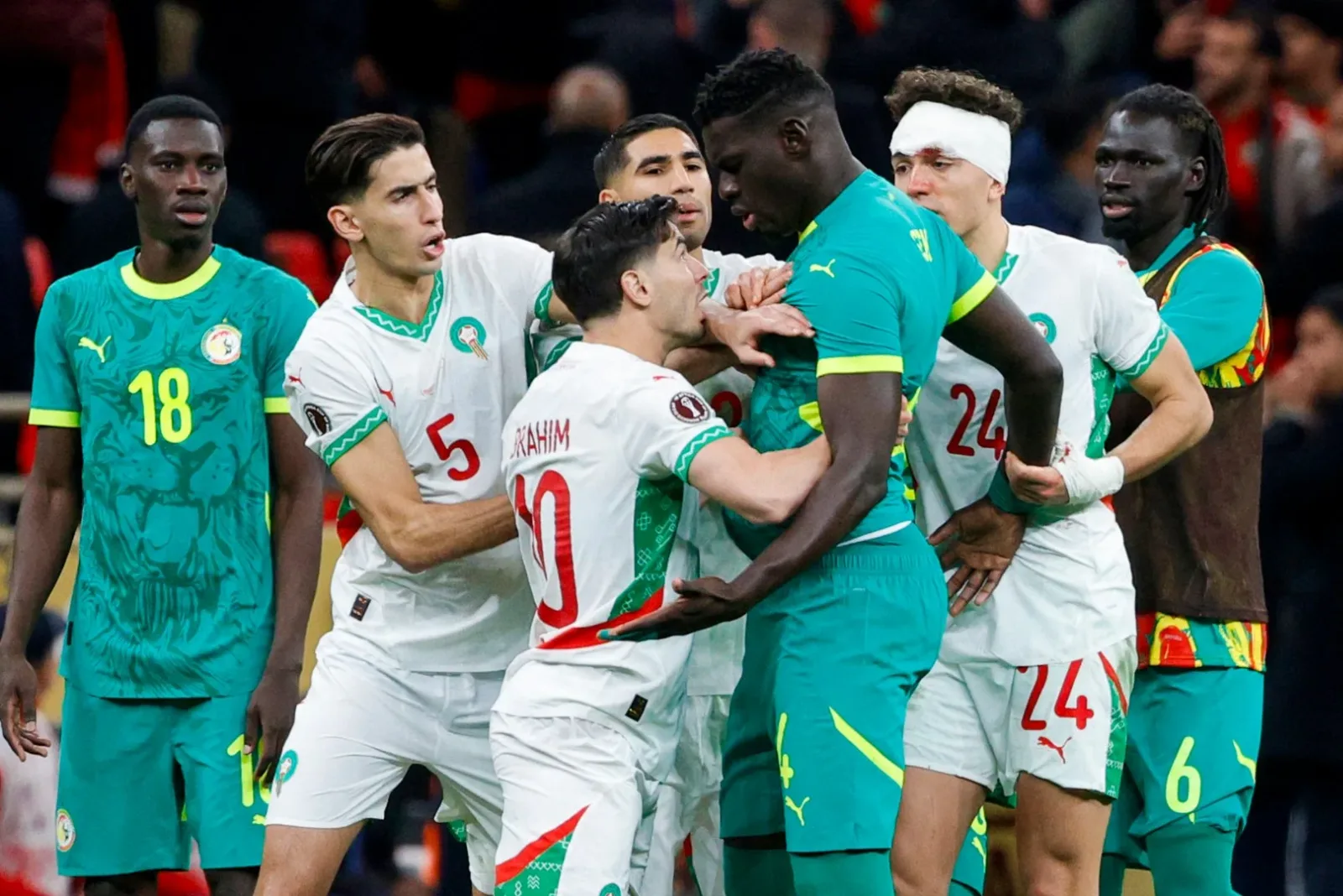
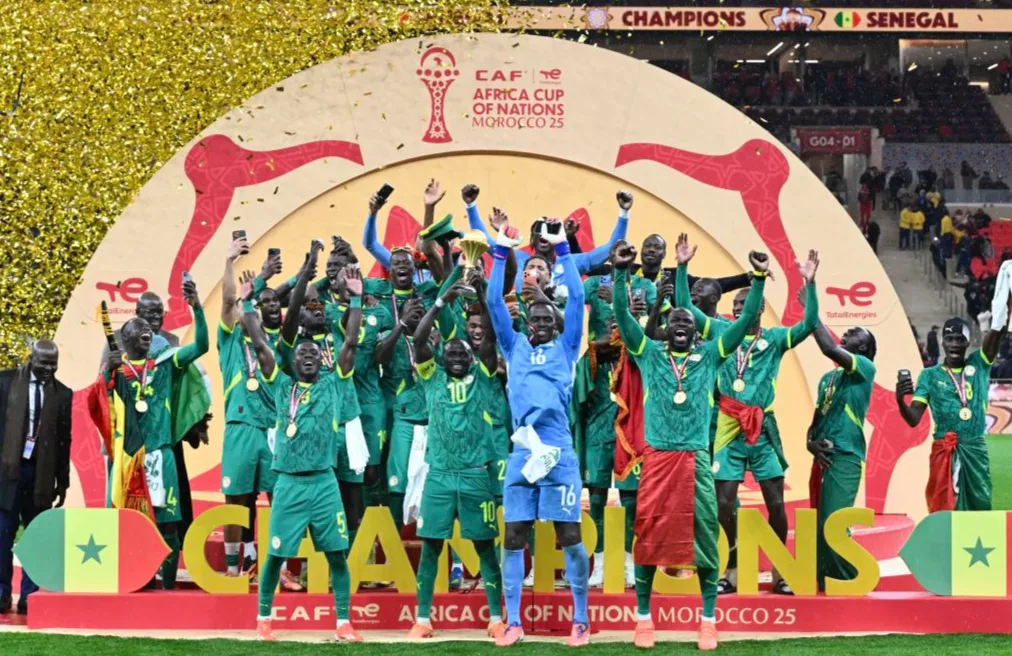
After returning the Africa Cup of Nations to the Senegalese, the Moroccan Federation issued a harsh statement questioning the resolution, denouncing alleged irregularities in the arbitration process, and confirming that it will use all available legal avenues to overturn it
The controversy over the final of the African Cup of Nations 2025 has added a new chapter and threatens to extend beyond the fields. After the Court of Arbitration for Sport (TAS) ruled in favor of Senegal and restored the title that had initially been awarded to Morocco, the Royal Moroccan Football Federation (FRMF) expressed its rejection of the ruling and announced that it would continue the dispute in the judicial arena.
Through a statement published on Tuesday, November 24, the entity expressed its bewilderment at the decision of the organization based in Lausanne, Switzerland, and questioned why its arguments were not duly considered. "The Royal Moroccan Football Federation expresses its surprise and rejection that its requests were not duly considered, especially regarding the adoption of necessary legal measures against practices that undermine the transparency and credibility of the arbitration process," it stated.
One of the main criticisms points to the alleged recent contacts between one of the TAS referees and the president of the Senegalese Football Federation (FSF), Abdoulaye Fall. On this point, the statement notes: "Specifically, it states that the existence of contacts between German referee Ulrich Haas and the president of the Senegalese Football Federation was confirmed, less than 48 hours before the ruling was issued".
On the other hand, the FRMF questioned why the court did not consider the positions expressed by FIFA and CAF regarding the conduct of players who leave the field without referee authorization. "The Royal Moroccan Football Federation also points out that the decision did not take into account the position already expressed by international bodies responsible for football regulations, both FIFA and CAF itself, regarding player eligibility, without affecting the outcome of the match. According to the federation, this implies possible responsibilities and disciplinary sanctions," it stated.
Finally, the Moroccan organization confirmed it will do everything in its power to overturn the ruling. "Consequently, the Royal Moroccan Football Federation confirms that it will use all available legal avenues to challenge the decision of the Court of Arbitration for Sport," it concluded.
Why the TAS returned the title to Senegal
The TAS ruling came after several months of controversy regarding the tournament's conclusion. In the final held in January 2026, Senegal had won 1-0 on the field, but CAF later changed the result and awarded the match to Morocco 3-0, considering that the temporary abandonment of the Senegalese players constituted a violation of the regulations.
However, after a FSF appeal, the sports tribunal annulled the decision of the CAF Appeals Board and reinstated the ruling of its Disciplinary Board, thereby reaffirming the original result of the final and Senegal's championship. The determination was adopted unanimously by the three members of the tribunal.
The TAS ruled in favor of Senegal and returned the title of the 2025 African Cup of Nations
Among the central arguments, the TAS considered that the decision to resume the match after the Senegalese players returned to the field was exclusively at the referee's discretion. In this regard, it applied the so-called field of play doctrine, which establishes that refereeing decisions made during a match cannot be reviewed by disciplinary bodies, unless there is evidence of arbitrariness or bad faith.
The organization also understood that articles 82 and 84 of the African Cup of Nations regulations were not applicable to the case, as those provisions contemplate situations where a team's behavior leads the referee to definitively suspend a match. In the final between Senegal and Morocco, the match was resumed and could be completed, so the tribunal ruled out that there had been a legal error in the referee's determination.