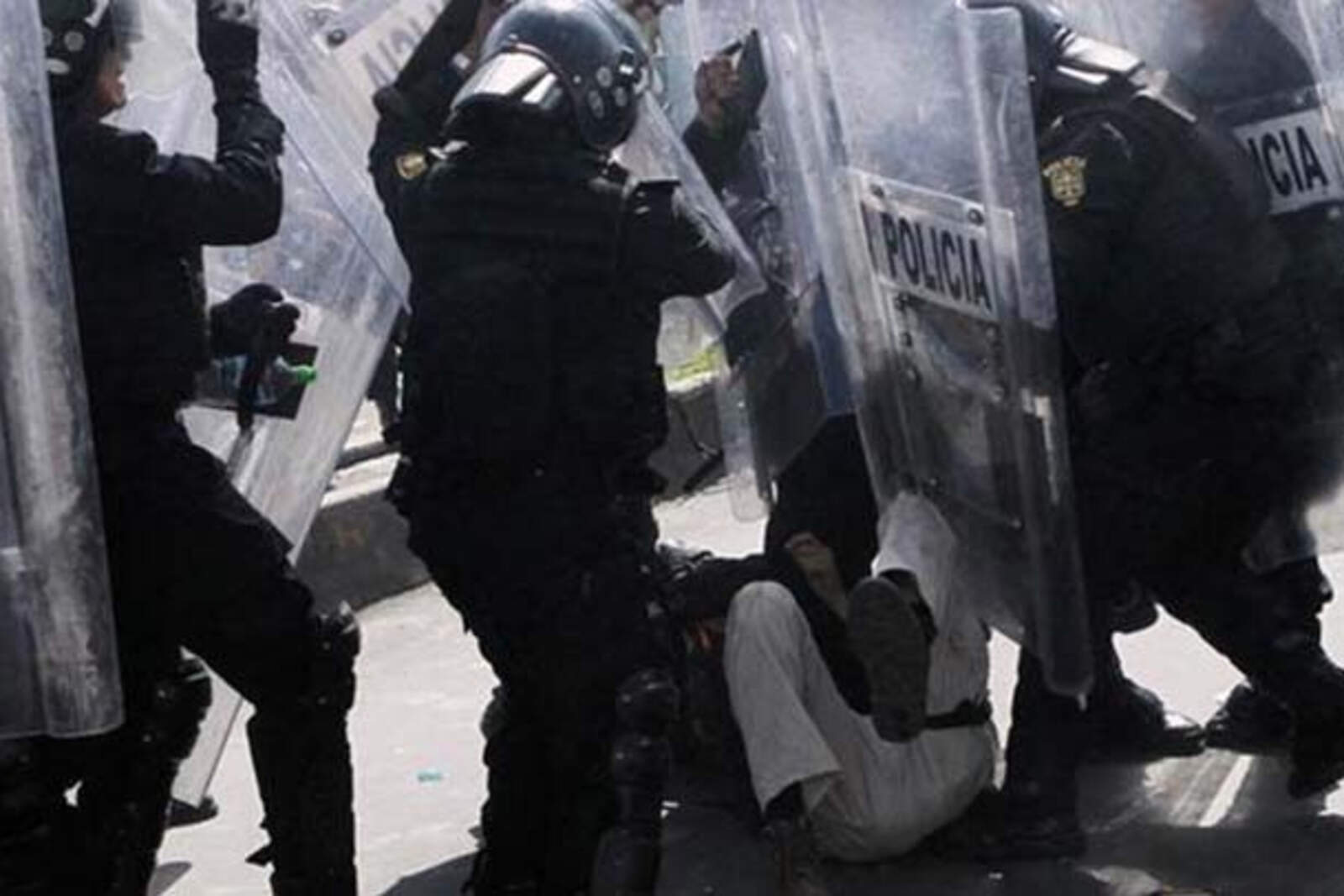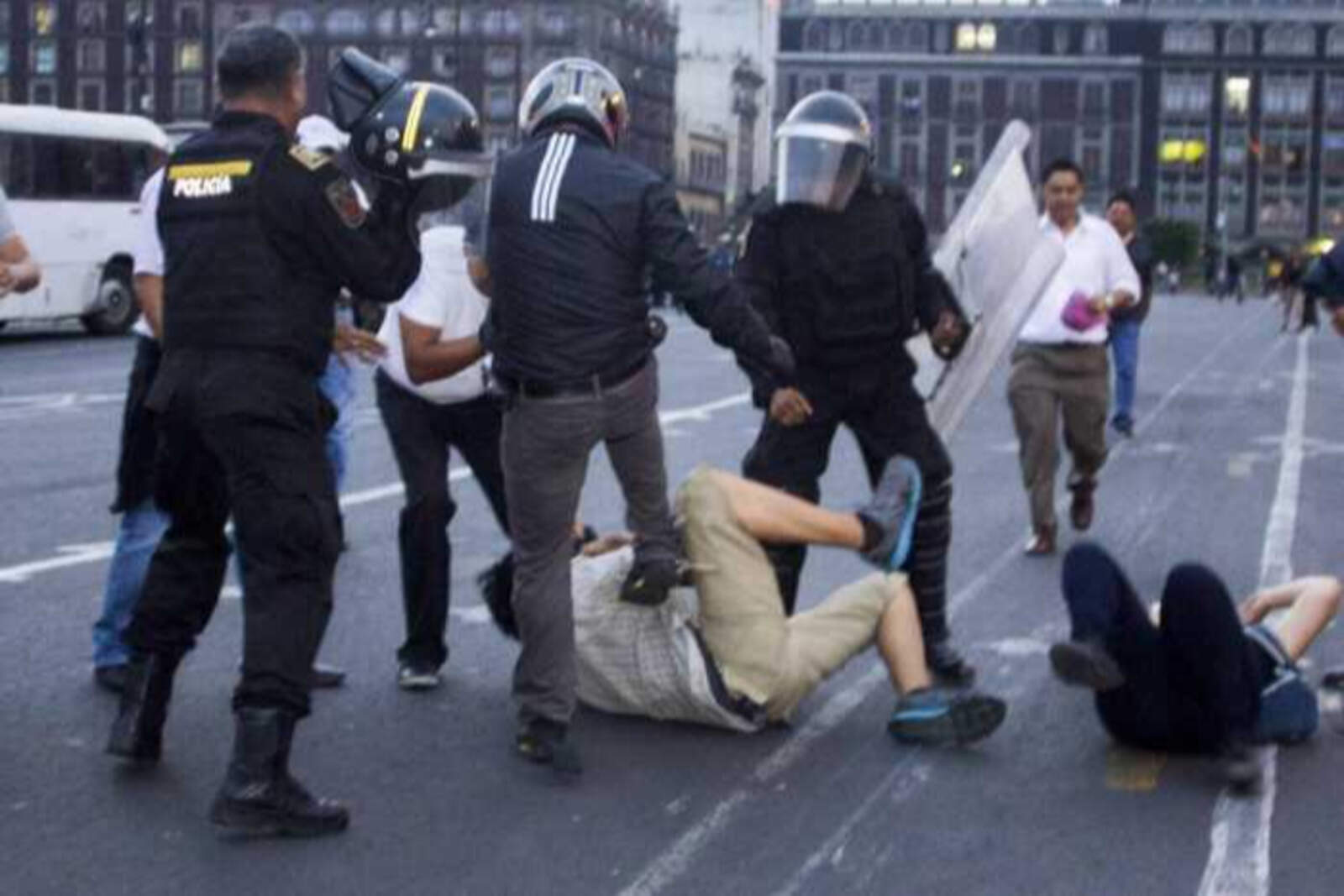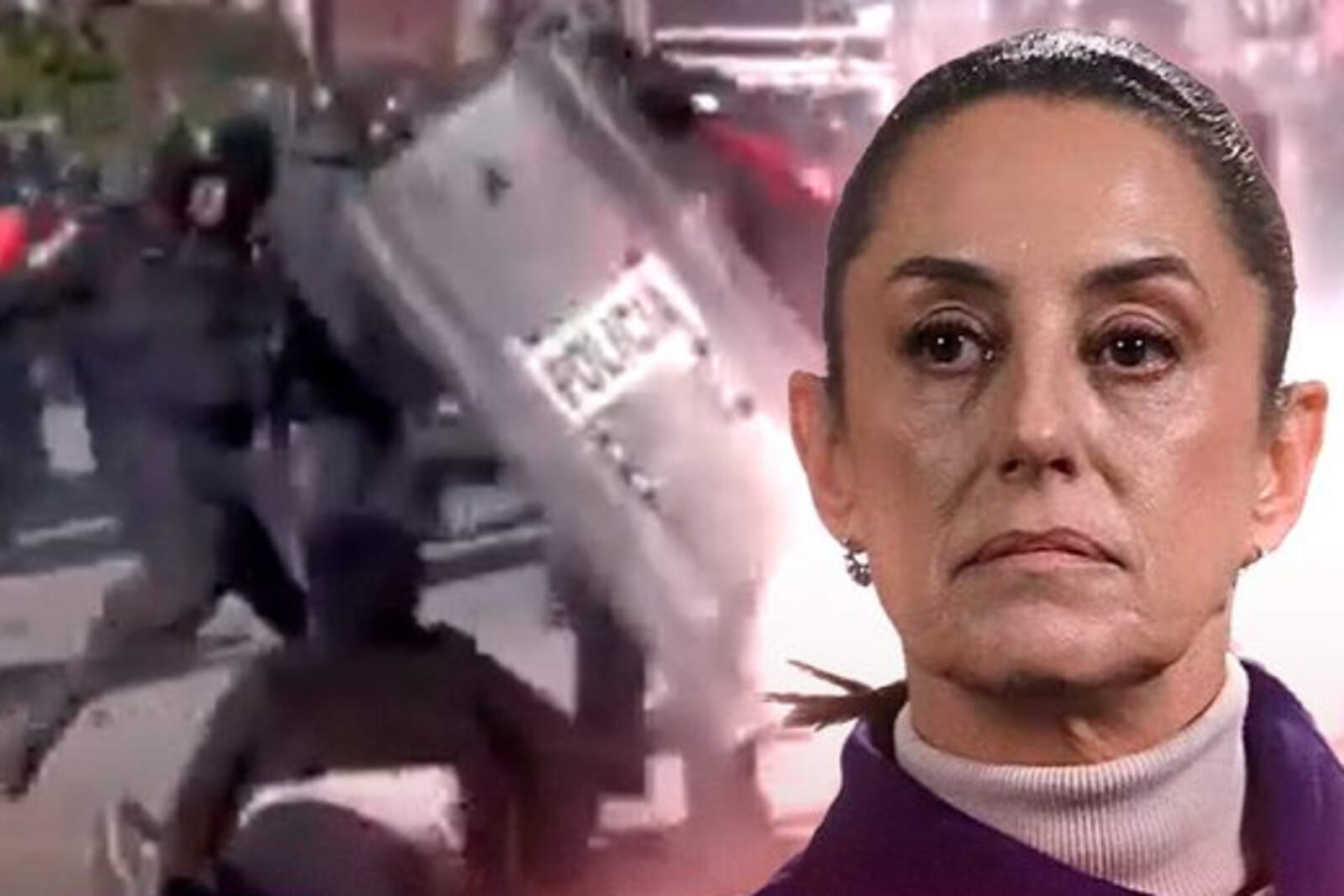

Mexico City was marked by a new day of repression on November 15, when the march led by the so-called Generation Z, held after the assassination of the mayor of Uruapan, resulted in clashes that left 150 injured in the capital's Zócalo. The protesters were demanding security, justice, and a halt to the violence affecting the country, but they encountered a police deployment that, according to numerous records, acted with extreme violence.
The most alarming aspect is that no human rights organization—neither national nor international—issued condemnations or statements in response to the audiovisual evidence of the repression.
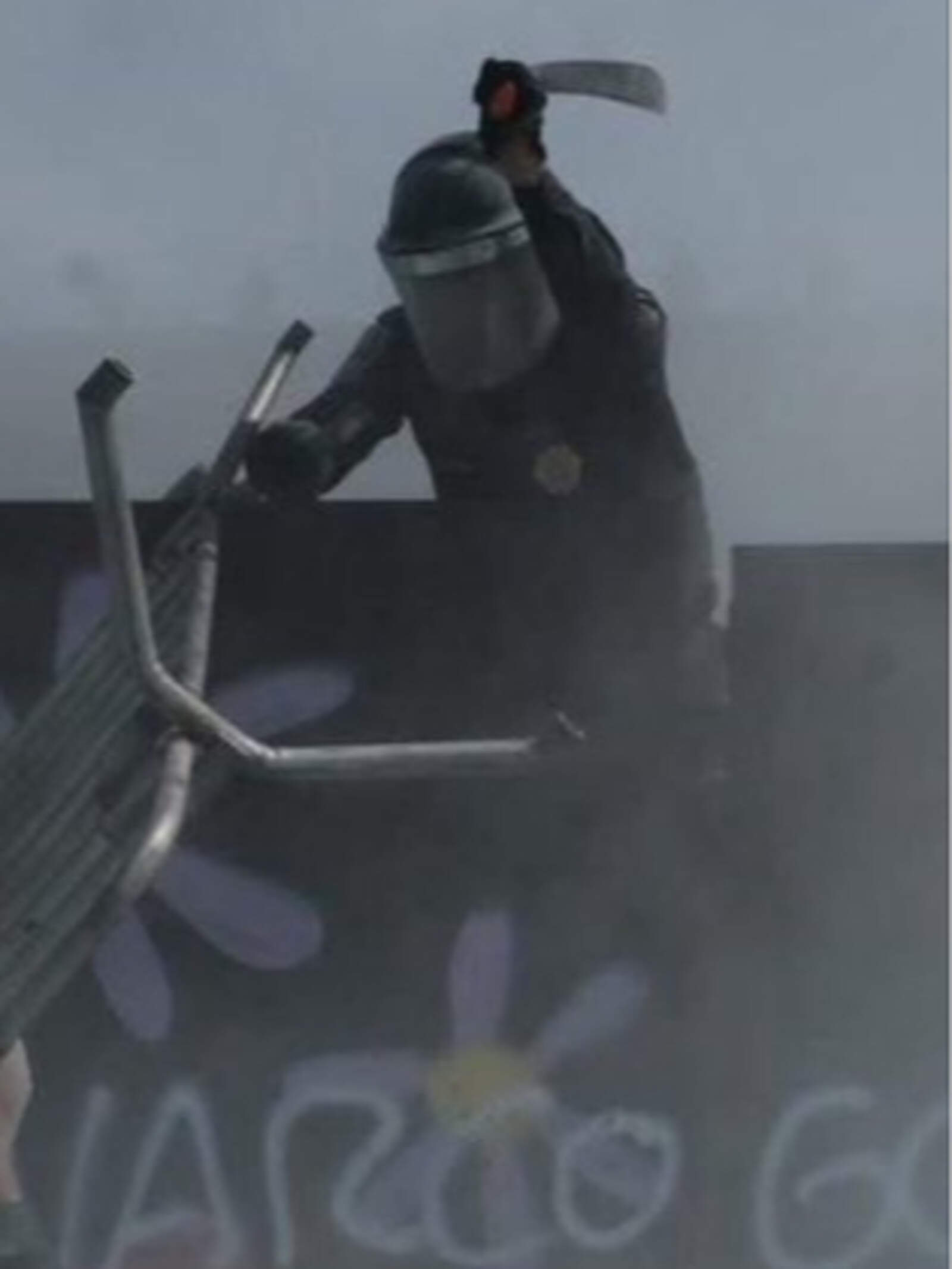
On social media, videos circulated showing three police officers from Sheinbaum's government kicking a Generation Z youth five times in the head while he was already lying motionless on the ground. Other footage showed officers armed with machetes, an unprecedented and deplorable image in any democracy. Nevertheless, no independent authority reacted.
Far from condemning police violence or announcing immediate sanctions, Mexico's president, Claudia Sheinbaum Pardo, used her morning press conference to discredit the protest and blame the youths for provoking the incidents.
According to her statement: "The objective wasn't to reach the Palace, but to generate confrontation. They came prepared with grinders and lock picks to break down the containment fence." Sheinbaum claimed that most of the attendees "were adults, not youths," and even asserted that they identified "familiar faces" from the pink tide and the so-called black bloc.
She showed images of the clashes and stated: "The objective was to hit them so they would respond, to show this idea that in Mexico there is repression against youths, and there is no repression." The president insisted that the police "don't carry weapons" and "don't even have batons", despite multiple videos contradicting that claim.