Gasoline: USD 401 million (with a growth of +37.7%).
Liquefied butanes: USD 255 million (an increase of +36.1%).


Vaca Muerta set a new record with 643,100 barrels per day, while the energy sector consolidates its expansion and crude oil exports grow by 59.2% in 2026
Gasoline: USD 401 million (with a growth of +37.7%).
Liquefied butanes: USD 255 million (an increase of +36.1%).






In an unprecedented historical milestone that validates the course of economic freedom, oil production in Argentina reached the extraordinary record figure of 916,200 barrels per day in July 2026. This phenomenal performance represents an increase of 17.2% compared to the same month of the previous year, according to official data released by the Government. The boom, far from being a coincidence, is the direct consequence of a new economic era characterized by "a greater role for the private sector in the operation and development of the fields", definitively displacing the inefficient state interventionism of the past.
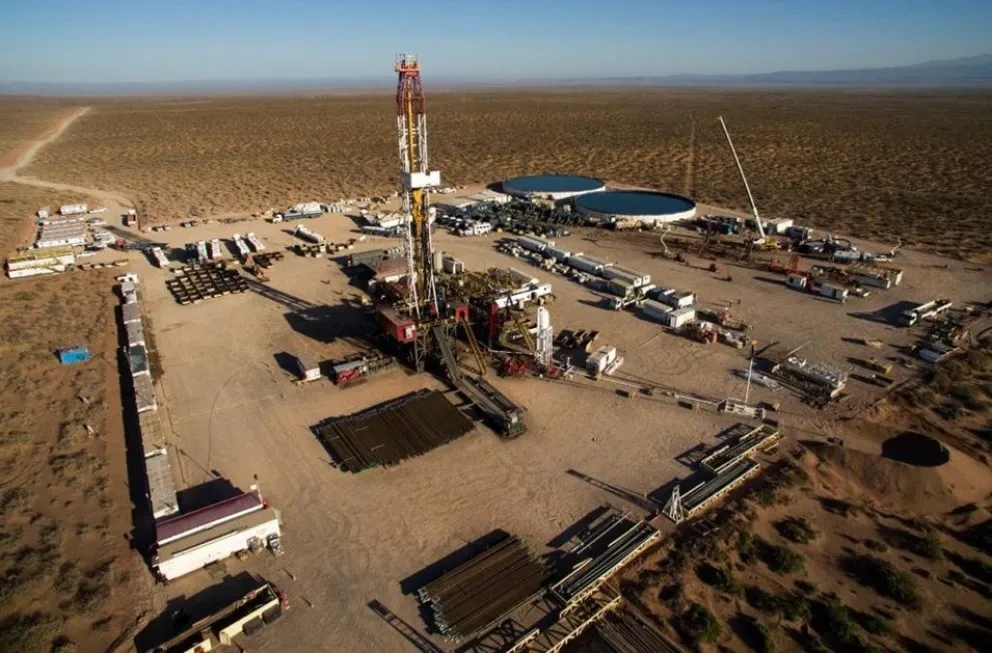
Moving from the macro to the specific, the crown jewel of this productive revolution is Vaca Muerta. The imposing unconventional geological formation, located in the province of Neuquén, recorded an individual extraction of 643,100 barrels per day in July, marking an impressive year-on-year jump of 26.4%. With these figures, the Neuquén basin already consolidates under the control of private operators "more than 70% of the total production of the country".
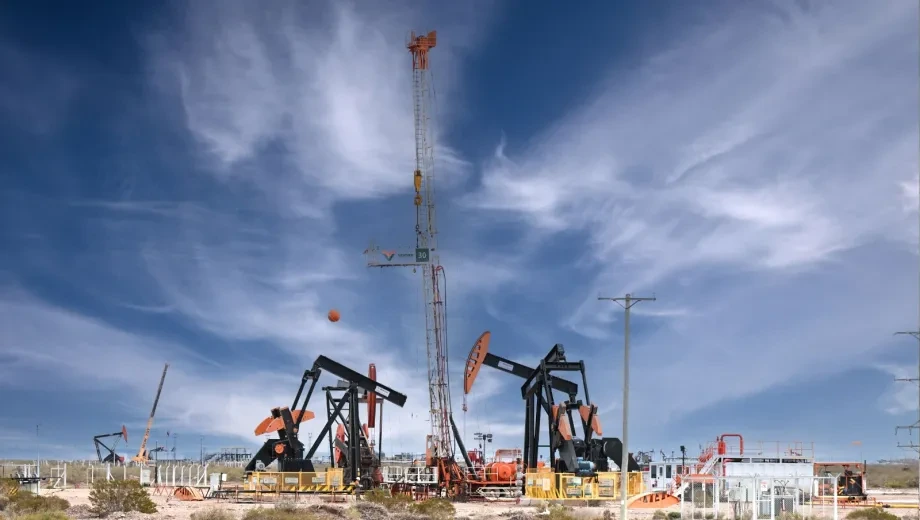
In the field of natural gas, the country maintained a solid national production of 158.8 million cubic meters per day. Within this total, the specific contribution of Vaca Muerta climbed to reach 96.5 million cubic meters per day, registering a robust increase of 5.9% compared to July of the previous year.
This impressive increase in production has completely transformed the trade balance of Argentina. According to statistics provided by the Ministry of Energy, crude oil has firmly established itself as the main export product of the Nation.
In the accumulated figures for the first seven months of the year (January-July 2026), external sales of crude totaled the staggering figure of USD 5.722 billion, representing a phenomenal growth of 59.2% compared to the same period in 2025 and accounting for 9.8% of the country's total exports.
When analyzing the fuel and energy sector comprehensively, exports nearly doubled in value in July on a year-on-year basis. According to data from the Argentine Trade Exchange (ICA) report published by Indec, energy sales abroad reached USD 1.506 billion just in the month of July, reflecting a year-on-year variation of 97.8%.
In contrast, under the reign of market efficiency, sector imports fell by 7.3%, amounting to just USD 614 million. The result of this equation is a monthly energy surplus of USD 892 million for July 2026, a colossal figure when compared to the meager USD 12 million obtained in July 2025 under the previous regulatory scheme.
When breaking down the data from January to July 2026, the energy trade balance of Argentina boasts a surplus of USD 6.853 billion, which implies a colossal improvement of 84% compared to the positive balance of USD 3.669 billion recorded in the same time frame of the previous year, on total exports that exceeded USD 9.000 billion.
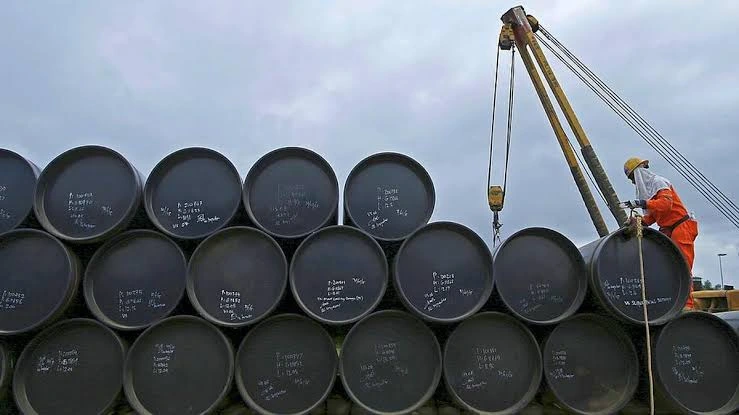
The exclusive protagonist of this export miracle is crude oil. Just in July, shipments of crude oils generated USD 1.020 billion, skyrocketing by 144.4% year-on-year. Thanks to this, crude from Vaca Muerta officially became the best-selling export product of Argentina so far this year, dethroning flour and soybean pellets, which historically led the commercial ranking. The rest of the accumulated export complex is detailed as follows:
Liquefied propane: USD 187 million (a rise of +14.7%).
This export surge is not merely a reflection of the international price situation (where the barrel of crude averages USD 93.25 due to the conflict in the Middle East).
The figures demonstrate that it is a triumph of real productivity on the ground: of the total growth in fuel and energy exports, the physical volume exported grew by 30.3%, while the variation in international prices contributed only 15%.
Regarding foreign purchases, accumulated energy imports between January and July totaled USD 2.298 billion, a slight increase of 1.5% compared to the previous year. During the month of July, acquisitions were limited to liquefied natural gas (LNG) for USD 264 million, electricity for USD 136 million, and diesel for USD 99 million.
The projections for the end of 2026 under the shelter of libertarian free market policies are extraordinary. With a conservative estimate of the Brent barrel at USD 82, total exports of fuels and energy are projected to reach nearly USD 11.300 billion.
If this scenario materializes, the annual energy trade balance could exceed USD 12.000 billion. In this way, the government of Javier Milei is on track to demolish the historical record of USD 7.815 billion reached in 2025, consolidating Argentina as a free, prosperous, and sovereign energy power.



