
The 2026 World Cup will mark a turning point in the history of the tournament. For the first time, 48 teams will participate, and the tournament will be held jointly in three countries: Mexico, Canada, and the United States.
The competition will feature 104 matches spread across 16 stadiums located in the same number of cities. From the legendary Estadio Azteca to the modern multipurpose venues in the United States, each venue will play a leading role in an edition that aims to break all attendance and viewership records.
Below is a tour of each of the venues that will host the event, following the official order of the locations.
Stadiums in Canada (2)
TORONTO
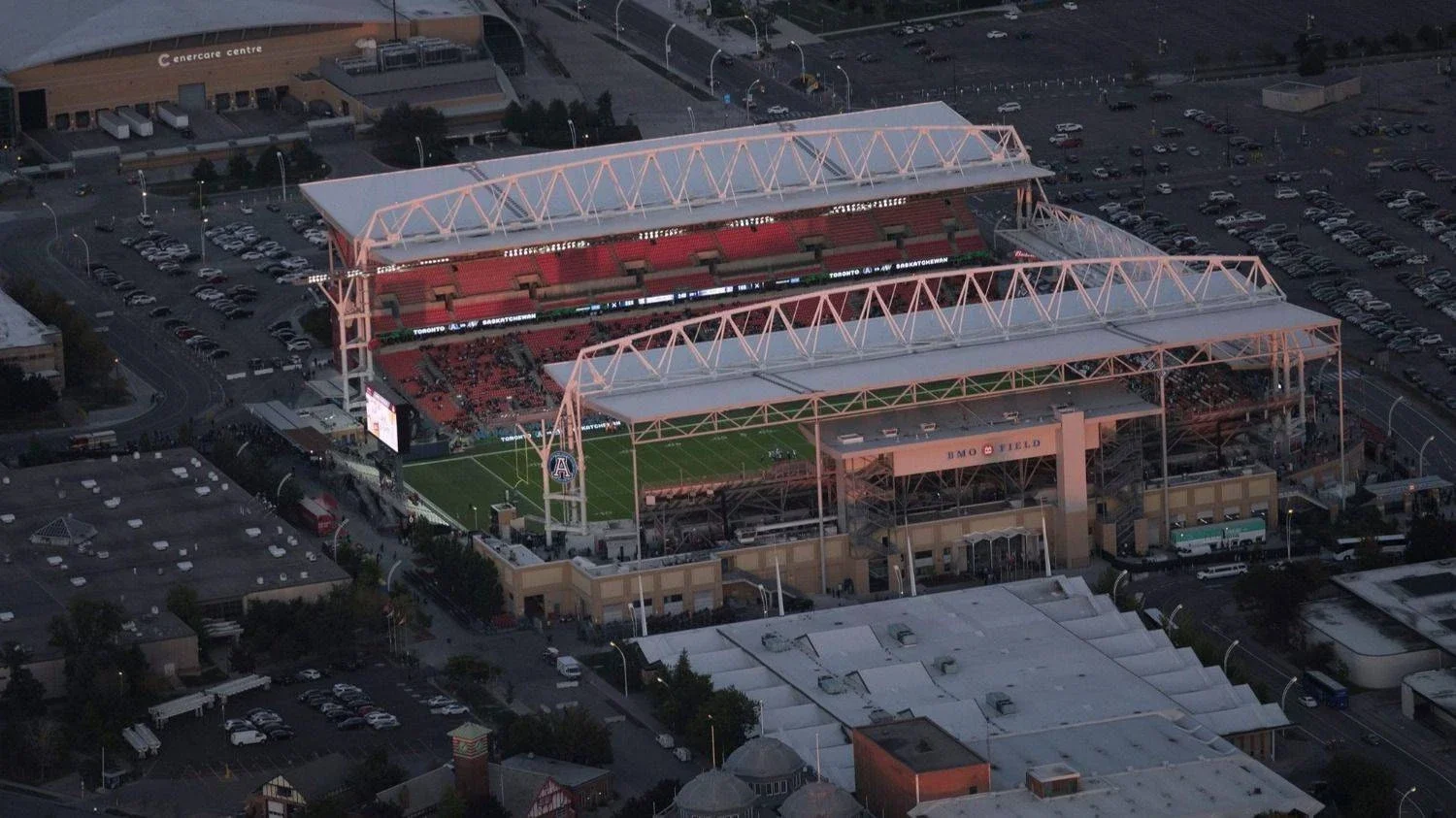
The BMO Field will be one of the two Canadian venues and will host the local team's World Cup debut. Opened in 2007, it was the first stadium in Canada designed specifically for soccer and has transformed over the years into one of the country's most important venues. It is noteworthy that it will be the stadium with the lowest capacity in the entire World Cup, despite the renovations made for the tournament to increase its capacity.
Key Facts
Inauguration: 2007
Capacity: 45,000 spectators (44,315 according to FIFA)
Local teams: Toronto FC (MLS) and Argonauts (CFL)
Matches
June 15: Belgium - Egypt (Group G)
June 19: United States - Australia (Group D)
June 24: Qatar - Bosnia (Group B)
June 26: Egypt - Iran (Group G)
July 1: Round of 32 (1st Group G - 3rd Group A/E/H/I/J)
July 6: Round of 16 (Winner Match 81 - Winner Match 82)
VANCOUVER
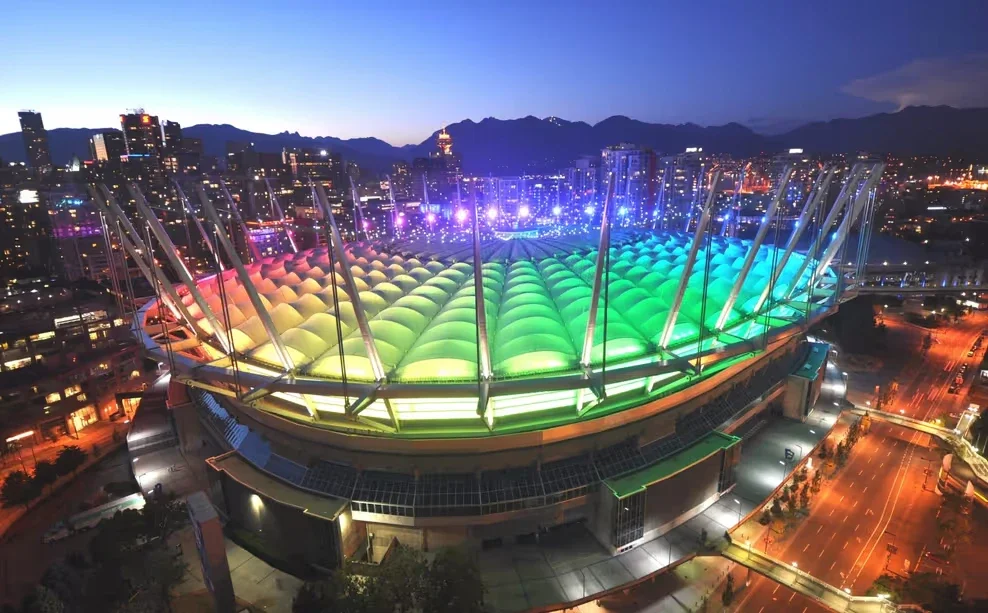
Located in the heart of the city, the BC Place Vancouver is distinguished by its spectacular retractable roof and its modern exterior lighting system known as "Northern Lights Display", which transforms the stadium into a huge visual spectacle during the nights. Most matches will be played at night, promising stunning images during the competition.
Key Facts
Inauguration: 1983
Capacity: 54,000 spectators (48,821 according to FIFA)
Local teams: Whitecaps FC (MLS) and BC Lions (CFL)
Matches
June 13: Australia - Turkey (Group D)
June 18: Canada - Qatar (Group B)
June 21: New Zealand - Egypt (Group G)
June 24: Switzerland - Canada (Group B)
June 26: New Zealand - Belgium (Group G)
July 2: Round of 32 (1st Group B - 3rd Group E/F/G/I/J)
July 7: Round of 16 (Winner Match 85 - Winner Match 87)
Stadiums in Mexico (3)
MEXICO CITY
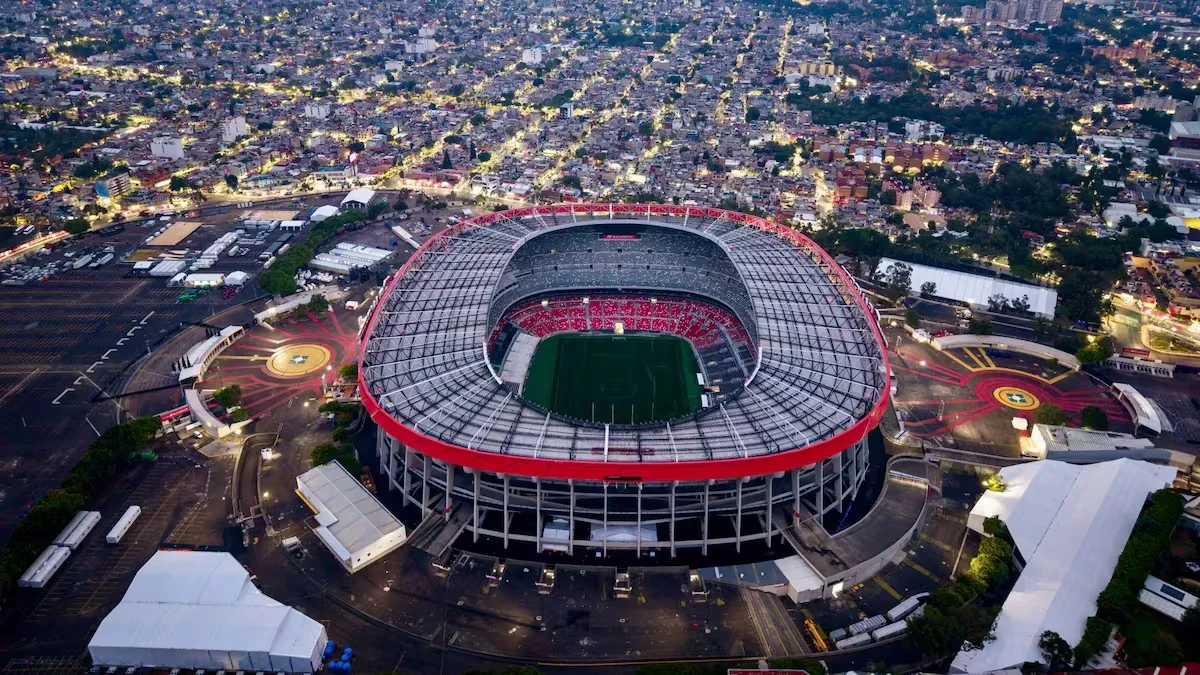
No venue symbolizes the history of the World Cups like the Estadio Azteca. The stage where Pelé lifted the Cup in 1970 and Diego Maradona did the same in 1986 will host the tournament again and will become the first stadium to host three World Cups. With a capacity of over 80,000 spectators, the Coloso de Santa Úrsula is one of the great icons of world sports and will be responsible for opening the competition with Mexico's inaugural match.
Key Facts
Inauguration: 1966
Capacity: 83,000 spectators (72,766 according to FIFA)
Local team: América de México (Liga MX)
Matches
June 11: Mexico - South Africa
June 17: Uzbekistan - Colombia
June 24: Mexico - Czech Republic
June 30: Round of 32 (1st Group A - 3rd Group C/E/F/H/I)
July 5: Round of 16 (Winner Match 79 - Winner Match 80)
GUADALAJARA
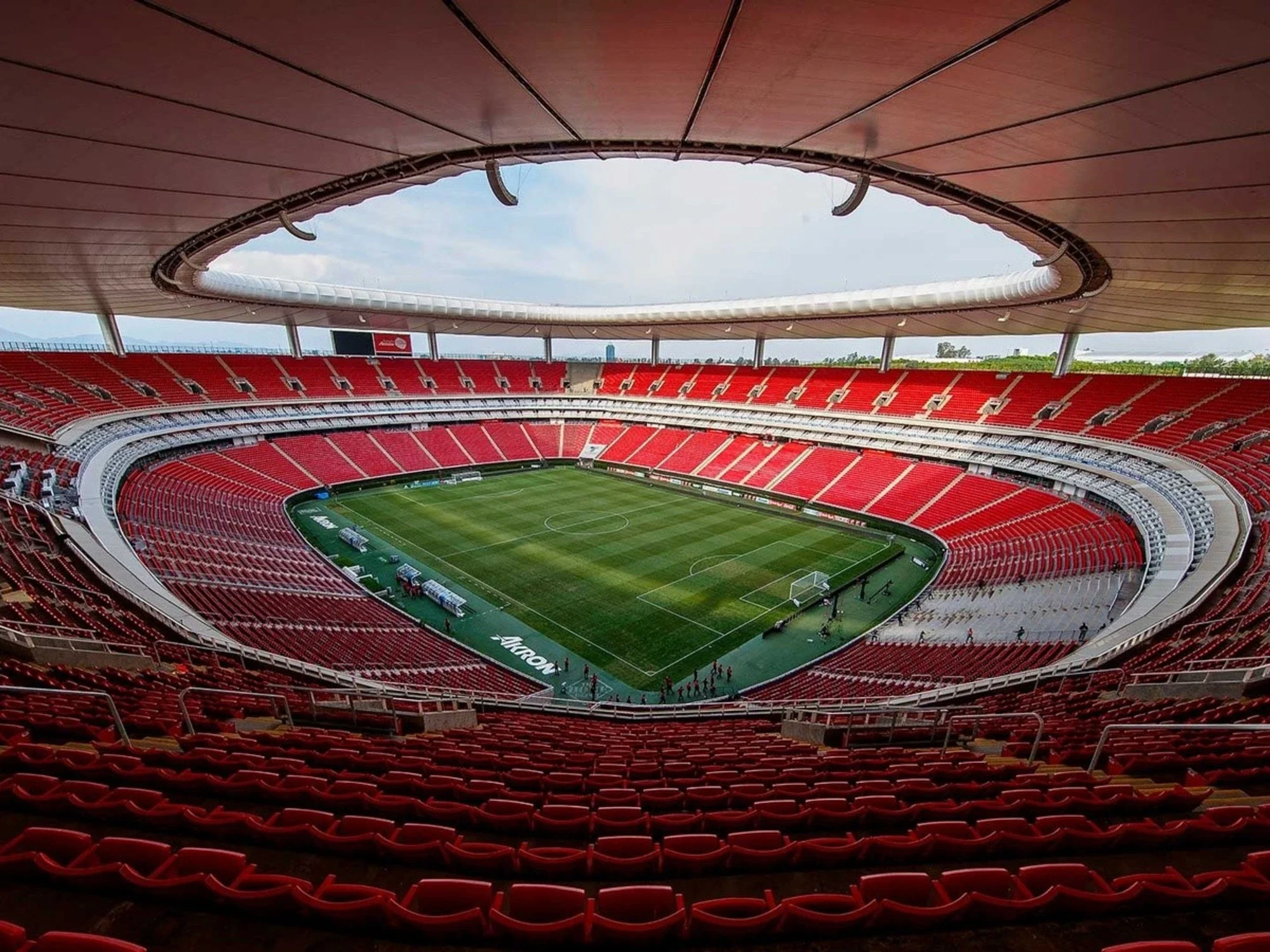
Opened in 2010, the Estadio Akron in Zapopan, Jalisco, is one of the most modern venues in Mexico and stands out for its architectural design inspired by the shapes of a volcano and for being partially integrated into the natural landscape of the area. In addition to World Cup matches, it was the venue for the 2011 Pan American Games, the Copa Libertadores, and the U-17 World Cup. During the tournament, it will host four matches, including a presentation of the Mexican national team.
Key Facts
Inauguration: 2010
Capacity: 46,600 spectators (44,330 according to FIFA)
Local team: Chivas de Guadalajara (Liga MX)
Matches
June 11: South Korea - Czech Republic (Group A)
June 18: Mexico - South Korea (Group A)
June 23: Colombia - Democratic Republic of the Congo (Group K)
June 26: Uruguay - Spain (Group H)
MONTERREY
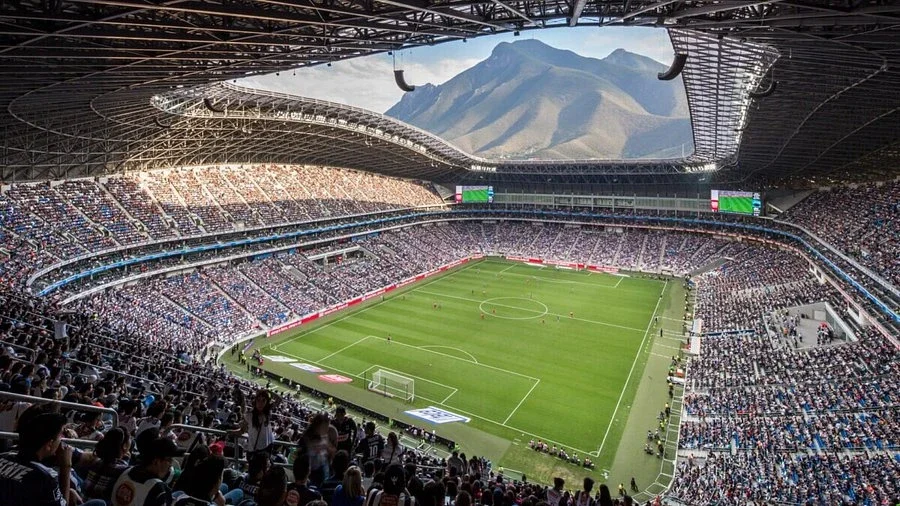
The Estadio BBVA is considered one of the most modern and sophisticated stadiums in Latin America. Opened in 2015, it quickly became a symbol of Monterrey thanks to its avant-garde design and the spectacular view it offers of the Cerro de la Silla, one of the most representative landscapes of northern Mexico. The home of the Rayados de Monterrey features state-of-the-art technology and was built following sustainability criteria that allowed it to receive various international awards for its design.
Key Facts