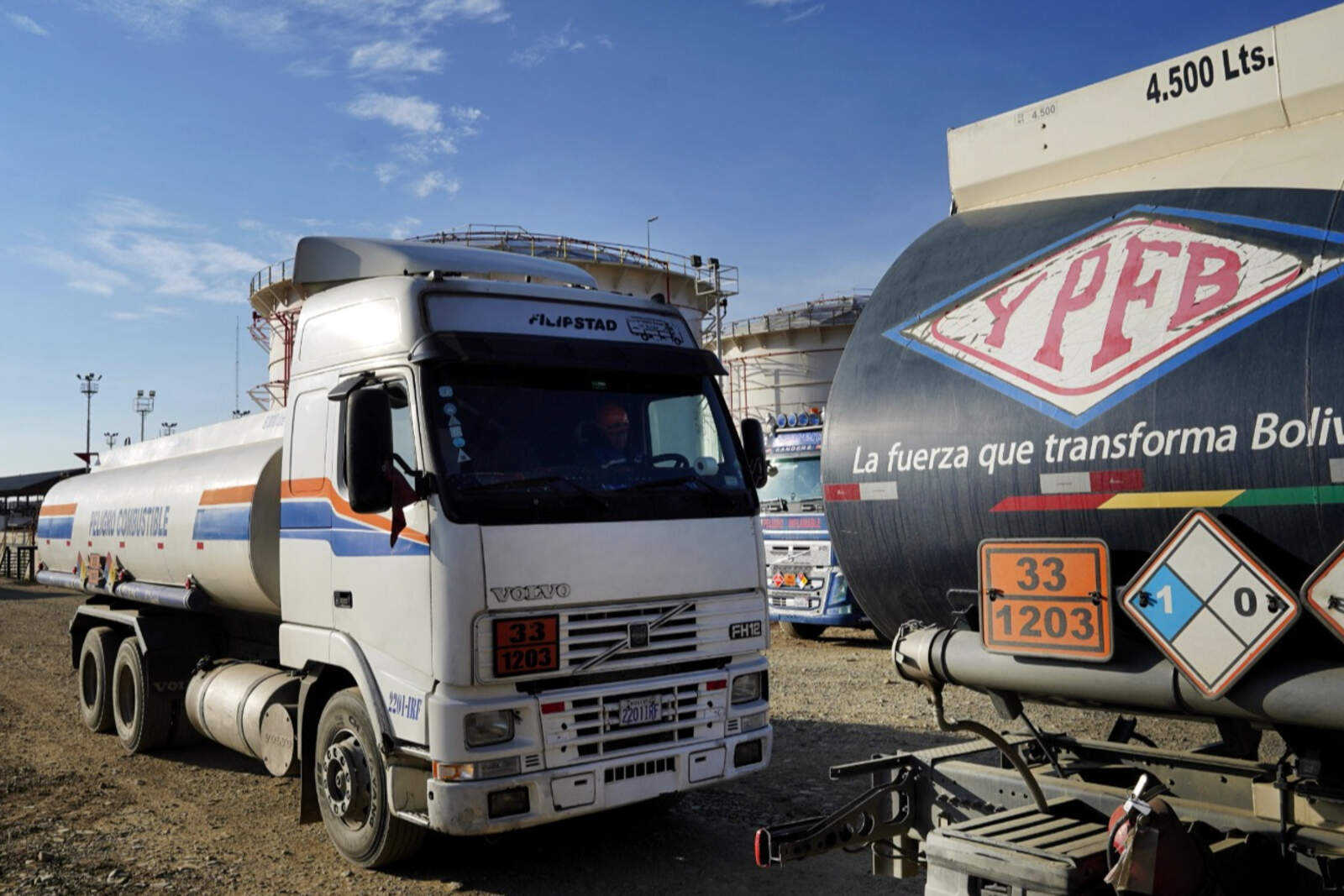

Despite the complaints, the state-owned YPFB and the National Hydrocarbons Agency (ANH) assure that the fuels meet quality standards. In a statement, YPFB stated that the importation of fuels follows strict controls and that the biofuel mix improves efficiency and reduces CO2 emissions.
However, the elimination of quality homologation by the Bolivian Institute of Standardization and Quality (Ibnorca) has raised doubts. Daniel Sánchez, president of Ibnorca, indicated that the new regulations allow the ANH to accept quality certificates issued abroad without verification in Bolivia.
Transporters report that the problem is not new. Domingo Ramos, from the Heavy Transport Confederation, stated that in the past they have detected diesel mixed with water at gas stations in Oruro and Potosí. Although complaints were filed with the ANH, no effective measures have been taken so far.
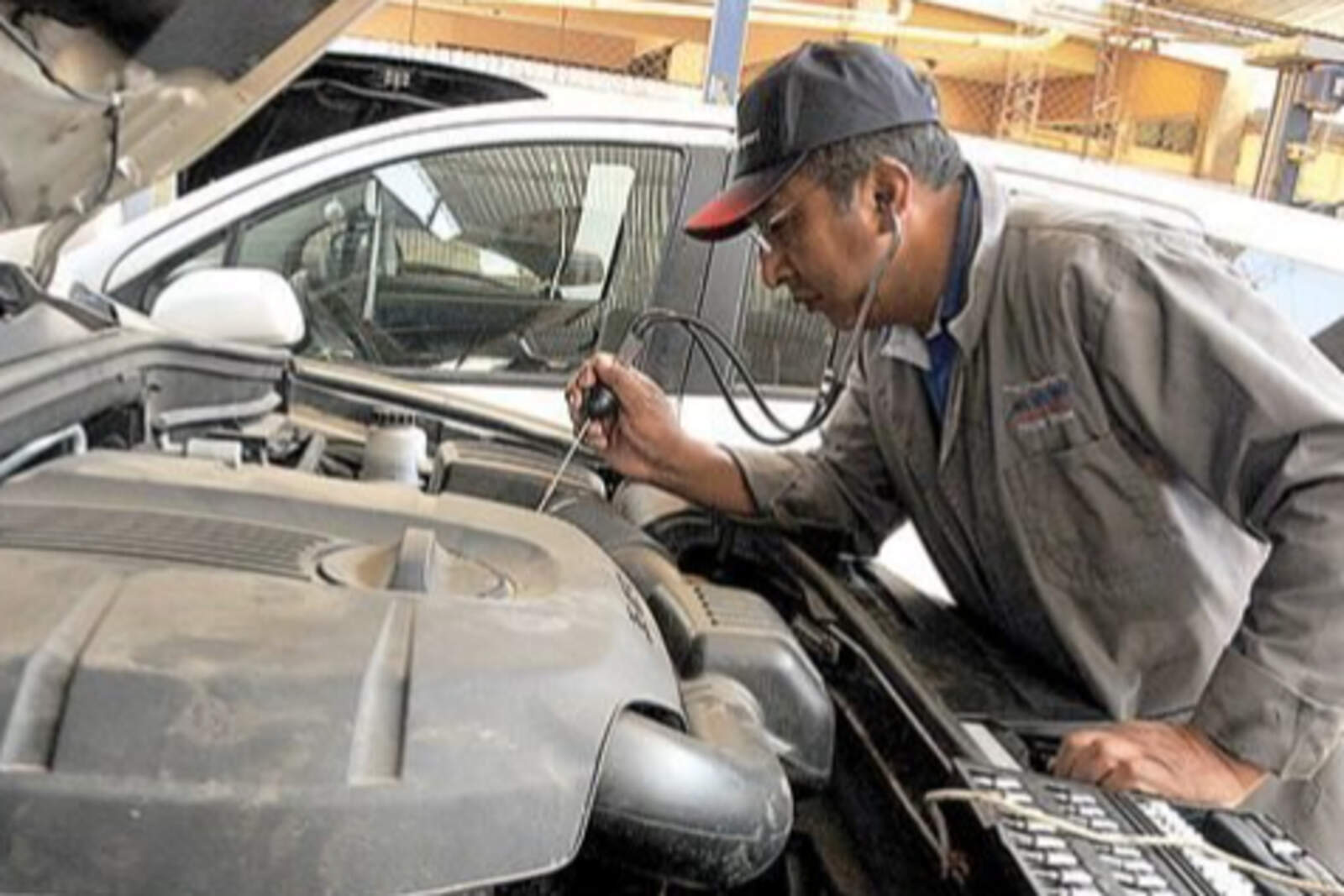
Some mechanical workshops have begun recommending their clients the use of special additives to try to mitigate the effects of deficient fuel. However, this is not a definitive solution and represents an additional expense for vehicle owners.
The College of Mechanical Engineers reiterated its call to conduct independent studies on fuel quality. "We can't keep waiting. The lack of control is causing million-dollar losses to drivers and transporters," Bonilla added.
Despite the constant complaints and evidence about the poor quality of fuel, the regime's authorities insist that standards are met. However, transporters, mechanics, and experts continue to report vehicle damage, economic losses, and a lack of real oversight.