Armenia will go to the polls on June 7 in parliamentary elections that could redefine the political and geopolitical future of the country. Prime Minister Nikol Pashinyan seeks to renew his mandate amid a campaign marked by economic pressure from Russia, controversy over the loss of Nagorno Karabakh, and the debate over potential European integration.
The voting takes place in a particularly sensitive context for the Caucasian republic of three million inhabitants, located between Europe and Asia and traditionally linked to Moscow. Although Armenia has maintained close economic and security relations with Russia for decades, Pashinyan's government has promoted a strategy in recent years aimed at diversifying alliances and strengthening ties with the West.
Since coming to power after the so-called ''Velvet Revolution'' in 2018, Pashinyan has promoted political reforms and a gradual reorientation of Armenian foreign policy. His government approved a law aimed at initiating the process of institutional rapprochement with the European Union and has strengthened cooperation with the United States and several European countries.
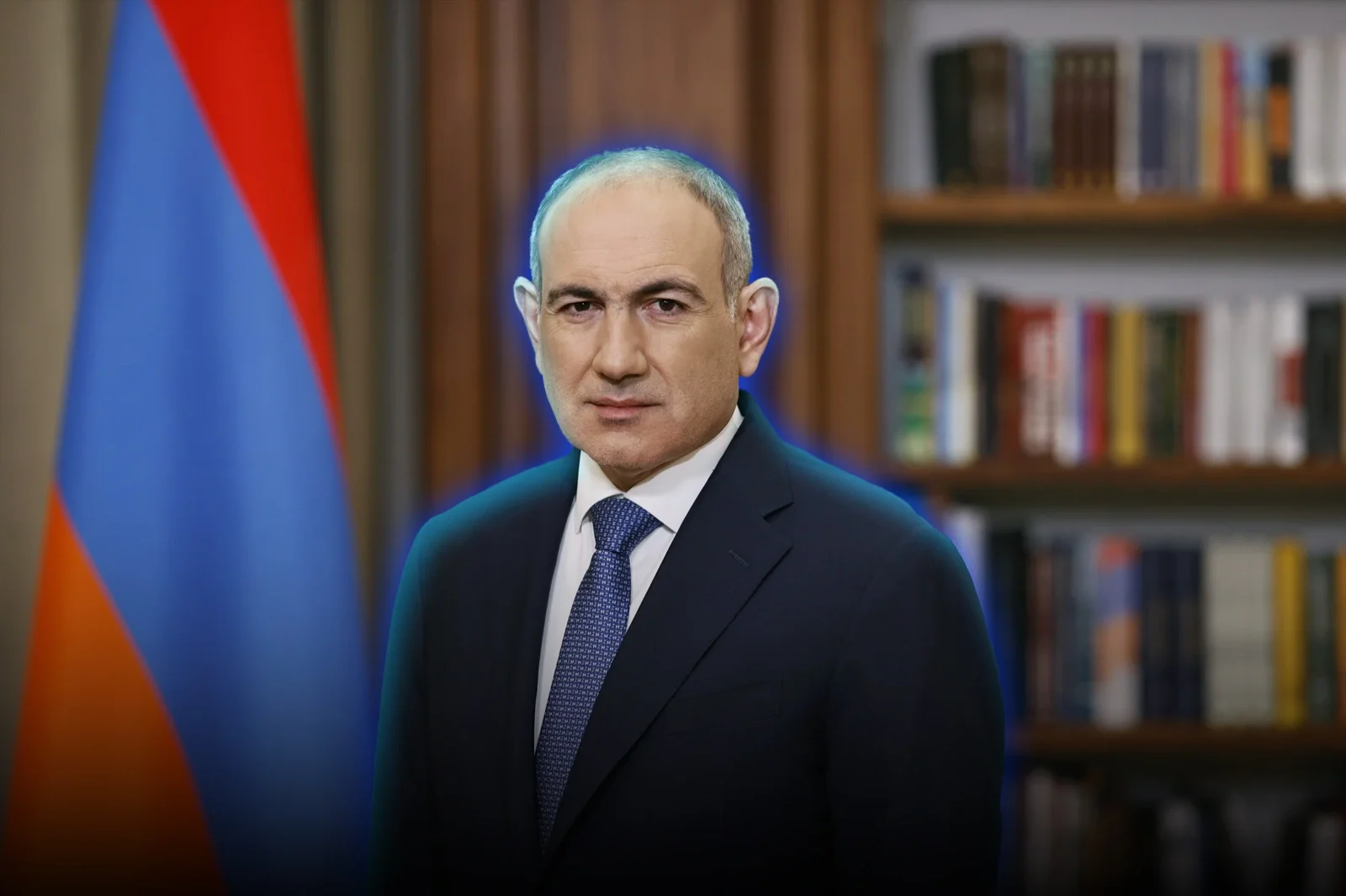
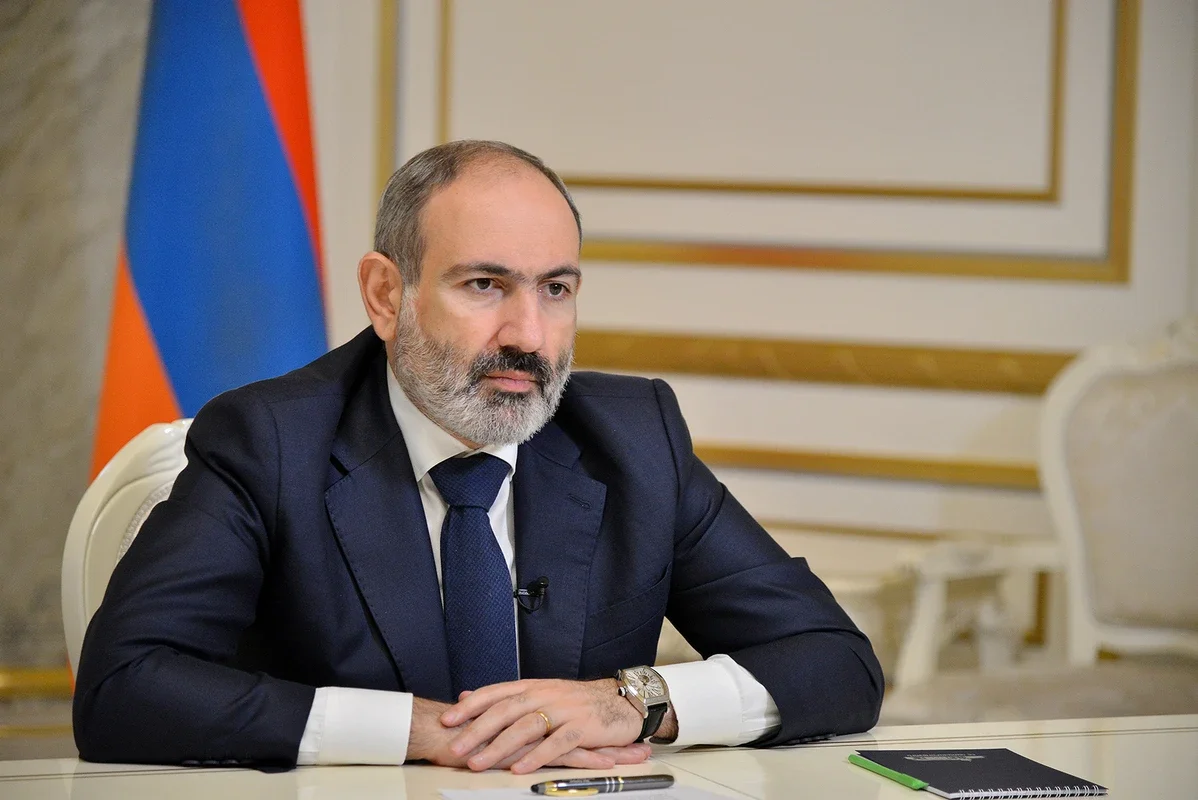
Nikol Pashinyan will seek to renew his mandate amid harsh criticism over the Nagorno Karabakh crisis
One of the pillars of that strategy has been the search for a definitive peace agreement with Azerbaijan, a country with which Armenia has a long territorial dispute over Nagorno Karabakh. Thanks to U.S. mediation, both parties have made significant progress in negotiations, although numerous disagreements still persist.
The rapprochement with the West became particularly visible this year when Yerevan welcome important European leaders and Ukrainian President Volodymyr Zelensky during an international summit held in the Armenian capital.
However, while the international image of the Prime Minister has strengthened, his internal support has weakened considerably. Polls show a sustained decline in his popularity since the 2021 elections, when he achieved a wide victory, to current levels close to 30%.
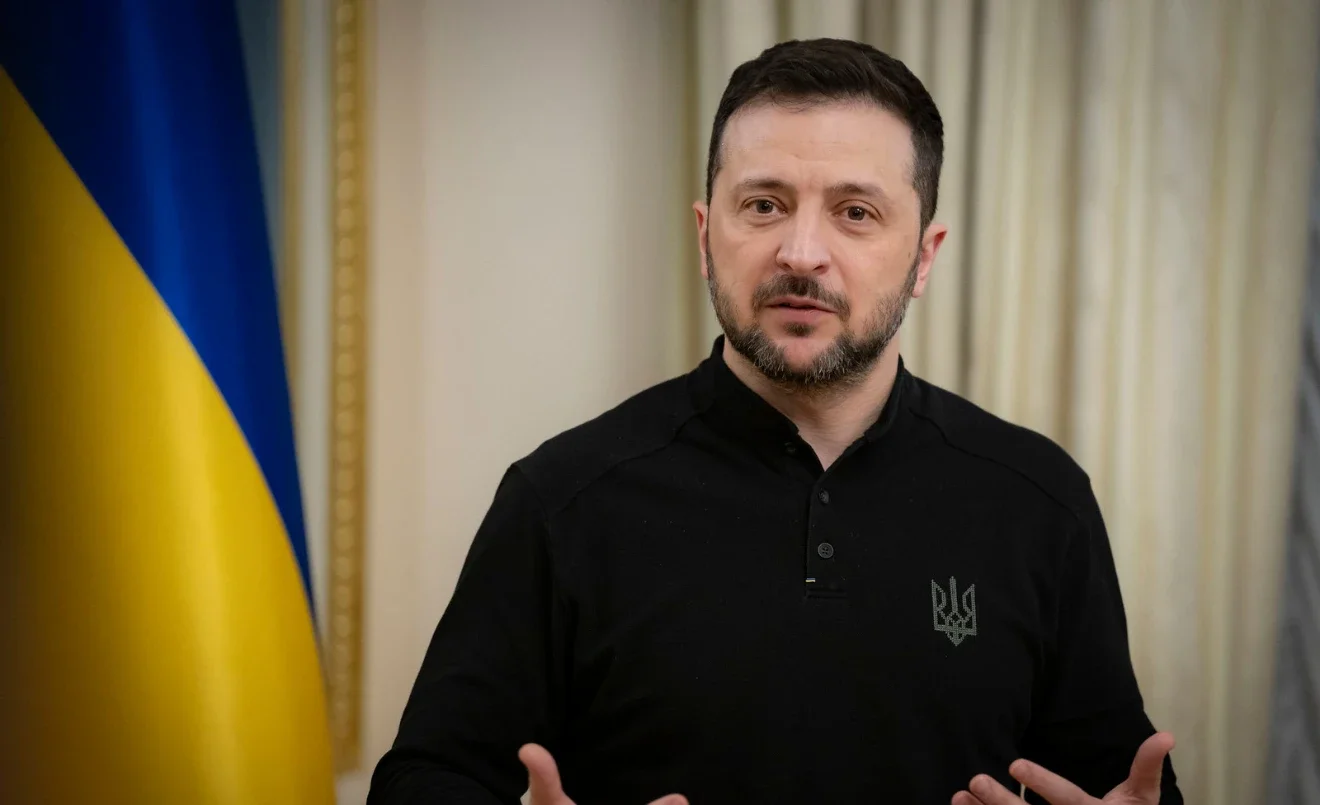
Zelensky's visit to Armenia angered many citizens who remain aligned with Russia
The main cause of this political wear continues to be the issue of Nagorno Karabakh. The region, internationally recognized as part of Azerbaijan but historically inhabited by a majority Armenian Christian population, was reclaimed by Baku through a military offensive in 2023. The operation caused the mass displacement of over 100,000 Armenians and generated a deep political crisis in Armenia.
Many citizens believe that Pashinyan's government made too many concessions to Azerbaijan and did not act firmly enough to protect the Armenian population in the region. Criticism has also intensified regarding the situation of former Nagorno Karabakh leaders who remain imprisoned in Azerbaijan.
The peace agreement promoted by the government also does not generate consensus. Various polls show a society practically divided between those who consider it necessary to definitively close the conflict and those who believe that the concessions made jeopardize national interests.
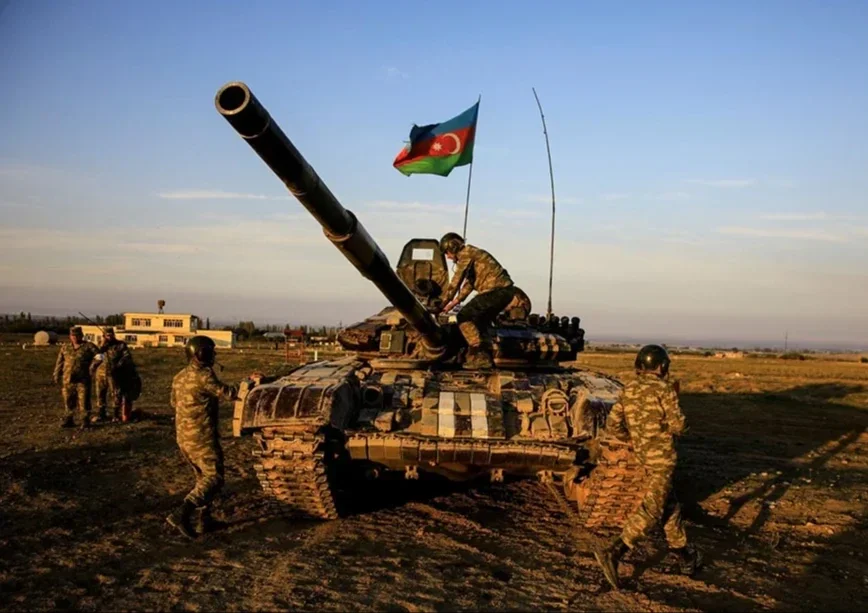
The armed forces of Azerbaijan launched a military offensive in 2023 with the aim of reclaiming the Nagorno Karabakh region
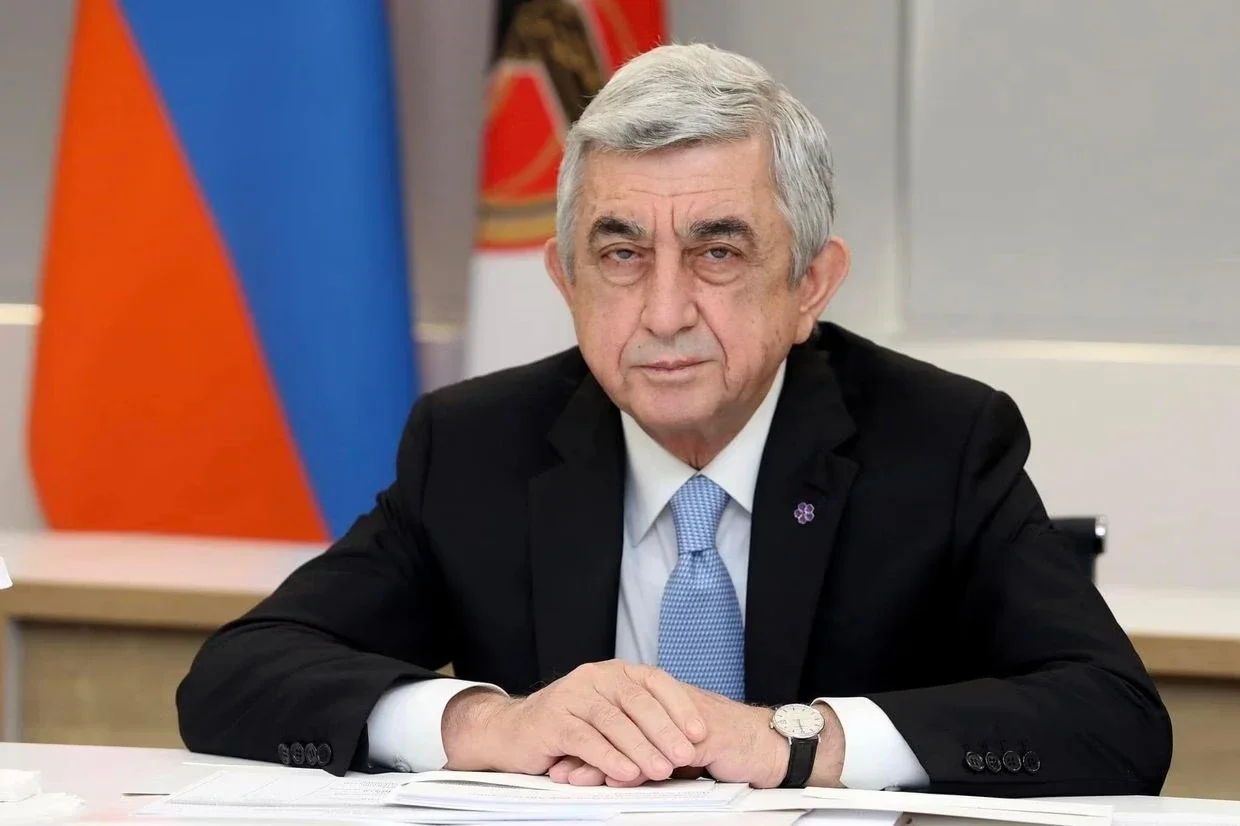
The opposition arrives at the elections fragmented, although united by their rejection of Pashinyan's strategy. Among its main figures are former presidents Robert Kocharyan and Serzh Sargsyan, who governed the country before 2018 and maintain a more favorable view towards close cooperation with Russia.
Both leaders argue that Armenia cannot guarantee its security without military support from Moscow and criticize the gradual distancing promoted by the current government. In their view, regional stability requires rebuilding the traditional strategic alliance with the Kremlin.
Another relevant actor in the campaign is businessman Samvel Karapetyan, a billionaire with significant business interests in Russia. Although he is under house arrest accused of participating in an alleged conspiracy against the government, he continues to influence the contest through representatives from his political circle.
Polls place the ruling Civil Contract party as the most voted force, with around 32% of voting intention. However, studies also reflect a high level of citizen distrust towards the entire political class, as nearly 40% of voters claim not to trust any leader.
Former Armenian President Serzh Sargsyan is one of the main contenders to replace Pashinyan
Meanwhile, the shadow of Russia dominates much of the electoral debate. In the weeks leading up to the vote, Moscow adopted various trade restrictions affecting Armenian products such as flowers, mineral water, brandy, fruits, and vegetables. The measures were interpreted by numerous analysts as a form of economic pressure on the Yerevan government.
Russian influence remains considerable. Russia accounts for more than a third of Armenian foreign trade and continues to supply gas at prices much lower than those prevailing in European markets. Additionally, Armenia remains a member of the Eurasian Economic Union, led by Moscow.
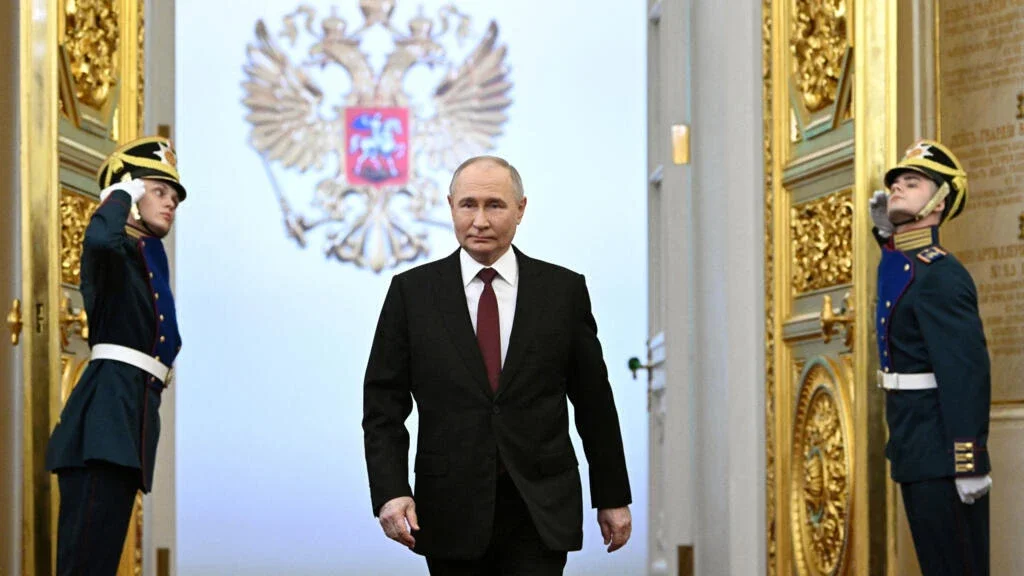
Russian President Vladimir Putin recently warned about the economic risks that deepening Armenia's rapprochement with the European Union would entail. At the same time, he urged Armenian authorities to clearly define their strategic orientation through a potential referendum on European integration.
Vladimir Putin warned about the consequences that Armenia's rapprochement with the European Union could have, given that the Caucasian country still maintains a strong dependence on Moscow
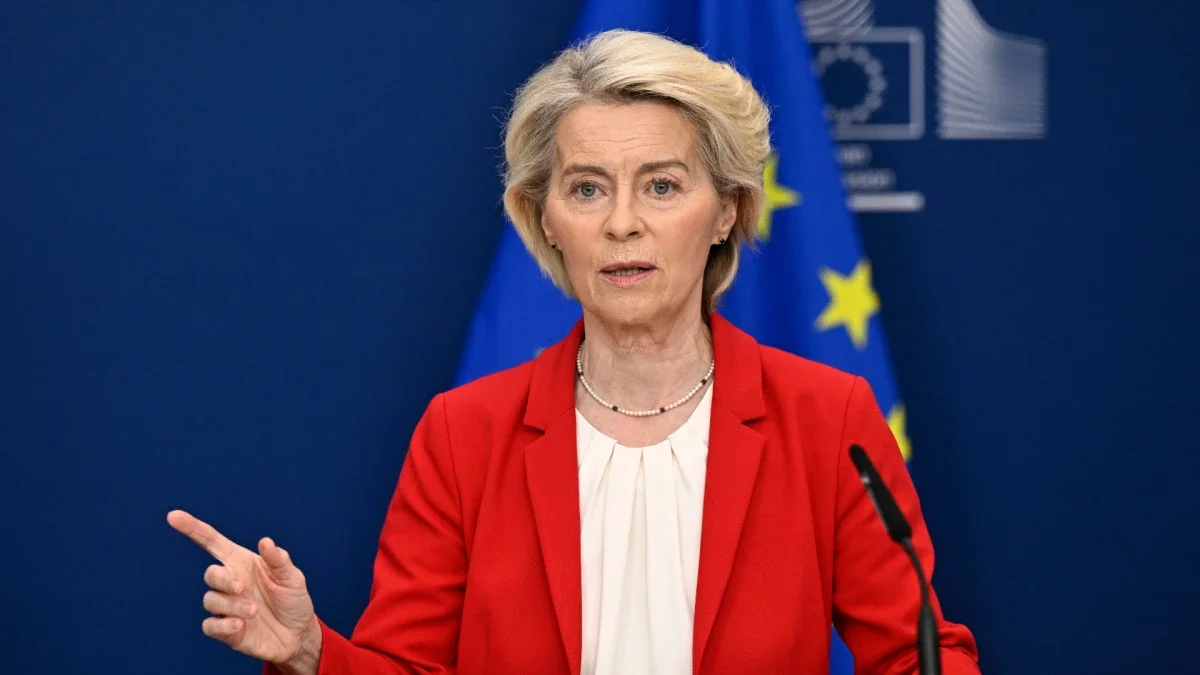
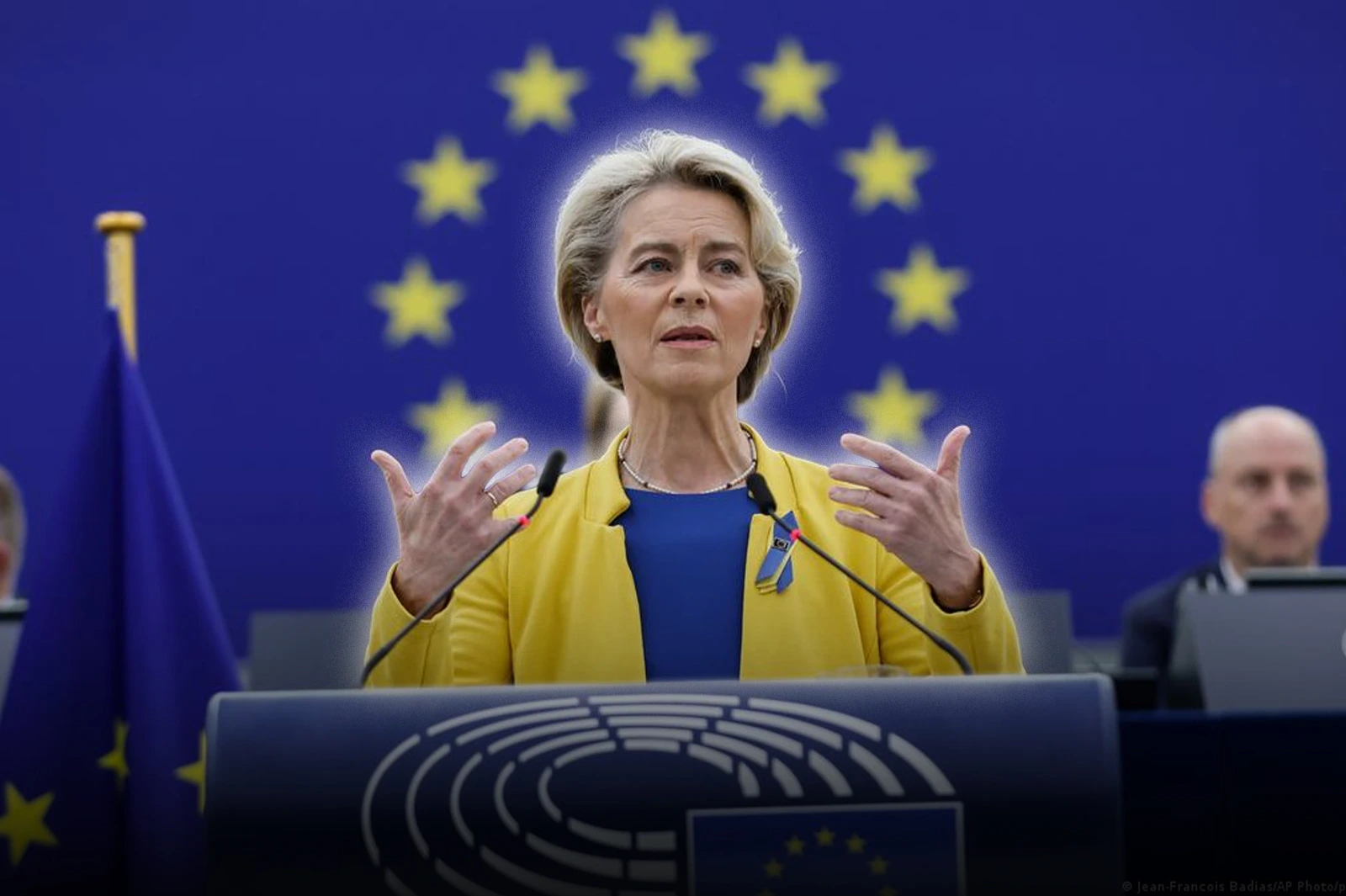
In the face of these pressures, Brussels has strengthened its support for Yerevan. The President of the European Commission, Ursula von der Leyen, announced this week a 50 million euro aid package aimed at offsetting part of the economic impact of the Russian restrictions and facilitating access for Armenian products to the community market.
The campaign has also been marked by episodes of tension between the government and some critical sectors, especially representatives of displaced Armenians from Nagorno Karabakh. The opposition accuses the Executive of using state resources to favor its campaign and adopting increasingly authoritarian attitudes.
With the country divided between those who support greater integration with Europe and those who prefer to maintain the traditional alliance with Russia, the elections on June 7 will be decisive in defining the political direction of Armenia in the coming years. Beyond the dispute between candidates, voters will have to decide what model of security, economic development, and international relations they want for the future of their country.
Ursula Von der Leyen recently announced a significant economic aid package for Armenia