Union for the Homeland and other opposition blocs did not achieve a quorum to approve the National Sovereignty Defense Law and celebrated the cancellation of the session
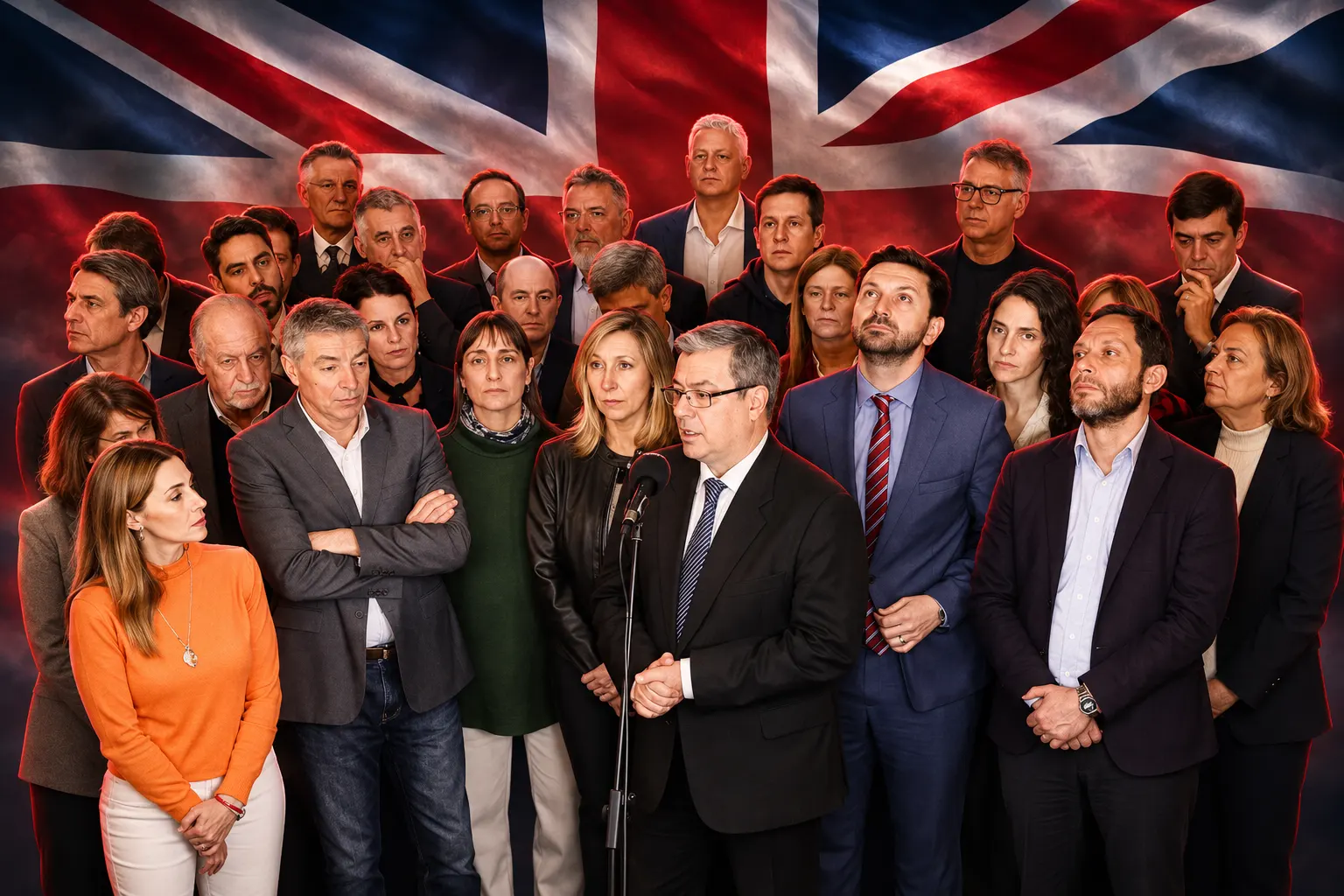
The Kirchnerist opposition prevented the discussion of several central bills promoted by the government of Javier Milei in the Chamber of Deputies this Wednesday.
The absence of legislators from Unión por la Patria and other opposition blocs, combined with the decision of Provincias Unidas not to provide their seats, ultimately frustrated the special session that was scheduled to debate the National Sovereignty Defense Law, known as the Malvinas Law, and the reform of the Central Bank's Organic Charter.
The call gathered 126 deputies, three short of the 129 needed to enable the debate. After 31 minutes of regulatory waiting, the president of the lower house, Martín Menem, declared the session canceled at 12:31. Thus, none of the initiatives included in the agenda could begin to be discussed.
Cristina Kirchner.
Among the blocs that did not support the call was the entire Peronism, whose members did not occupy their seats to ensure a quorum.
Legislators from the Left Front and the Civic Coalition were also absent, while the representatives of Provincias Unidas decided not to sit in their seats, despite being present in the chamber. The decision of this last group was decisive in preventing the regulatory number from being reached.
The Kirchnerism celebrated the boycott of the Malvinas Law
After the announcement that the session was canceled, the Kirchnerist deputies openly celebrated the boycott and cheered loudly.
The main project that went without discussion was the National Sovereignty Defense Law, which accounted for 9 hours and 42 minutes of the parliamentary schedule.
The initiative proposes to tighten the sanctions regime against those who carry out exploration and exploitation activities of natural resources without Argentine authorization in territories and maritime areas related to the Malvinas Islands.
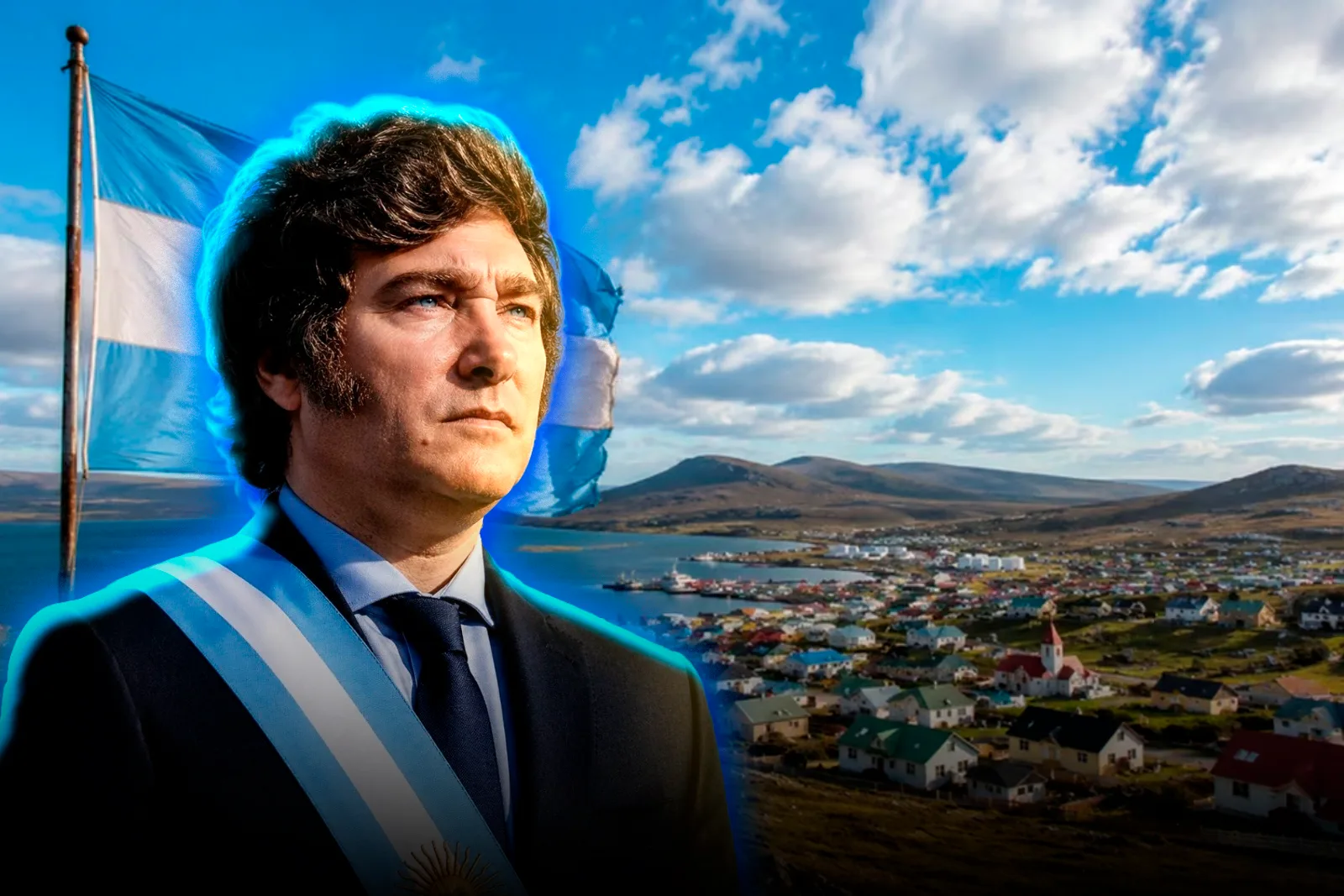
President Javier Milei.
Additionally, it includes modifications regarding defense, intelligence, and national security. Among its provisions is the creation of a National Security Council, under the leadership of the President, with powers to coordinate strategic policies and analyze foreign investments in sectors considered sensitive.
The second central project was the reform of the Central Bank's Organic Charter, which had returned to the Chamber after modifications made by the Senate.
The proposal establishes as a priority objective for the monetary authority to preserve the value of the currency and prohibits direct or indirect financing of the Treasury through temporary advances and other issuance mechanisms.
The initiative was on track for final approval, but the lack of quorum prevented legislators from defining its approval.
The parliamentary agenda also included the free trade agreement between Mercosur and the European Free Trade Association (EFTA), which includes Iceland, Liechtenstein, Norway, and Switzerland, as well as an amendment to the Montevideo Protocol on Trade in Services.
Agreements were also planned to transfer judicial powers from the Nation to the City of Buenos Aires and modifications to Law 24.467 on small and medium enterprises.
Thus, the absences and the opposition boycott prevented the initiation of a session on several key initiatives for the country promoted by Milei's Government.