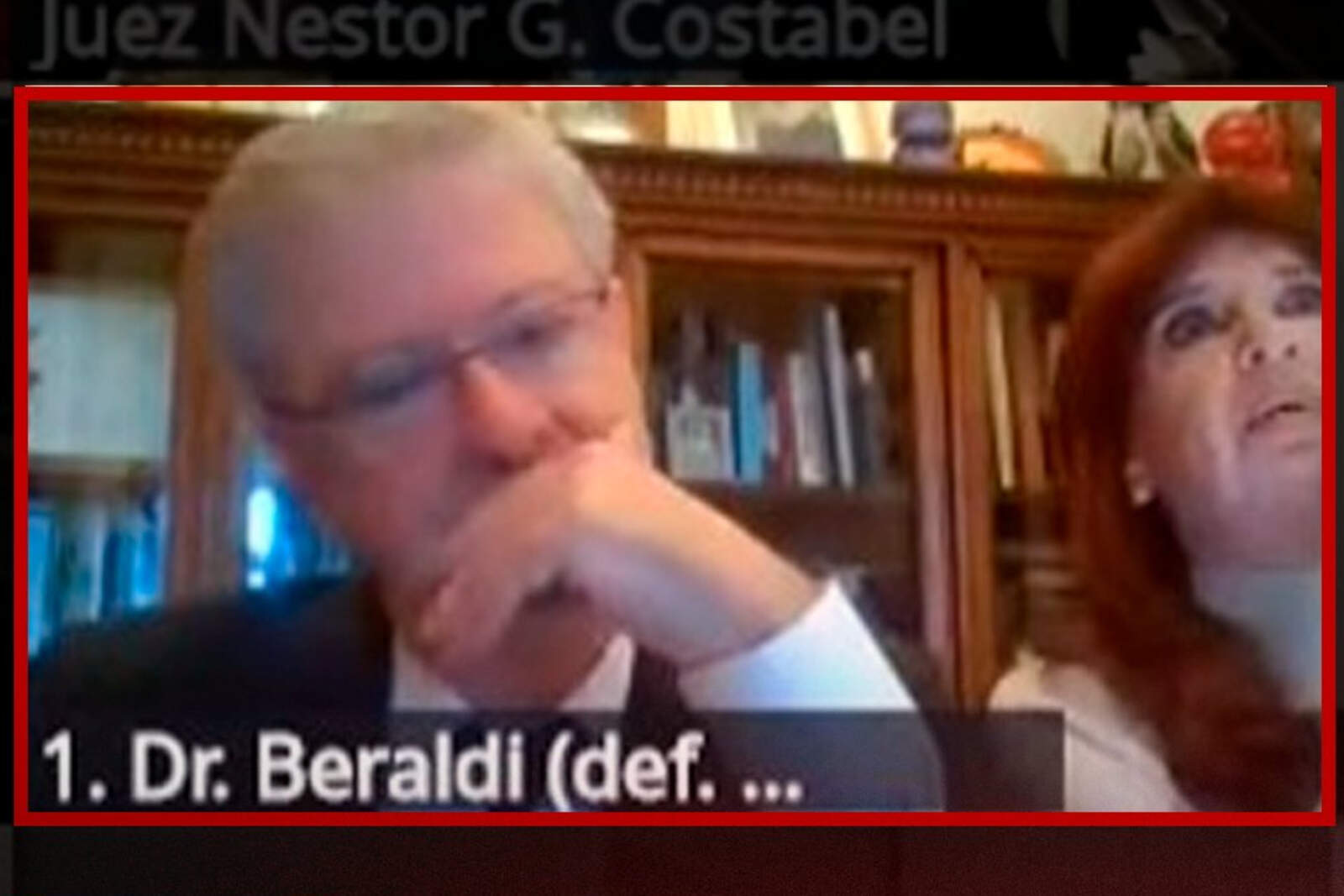
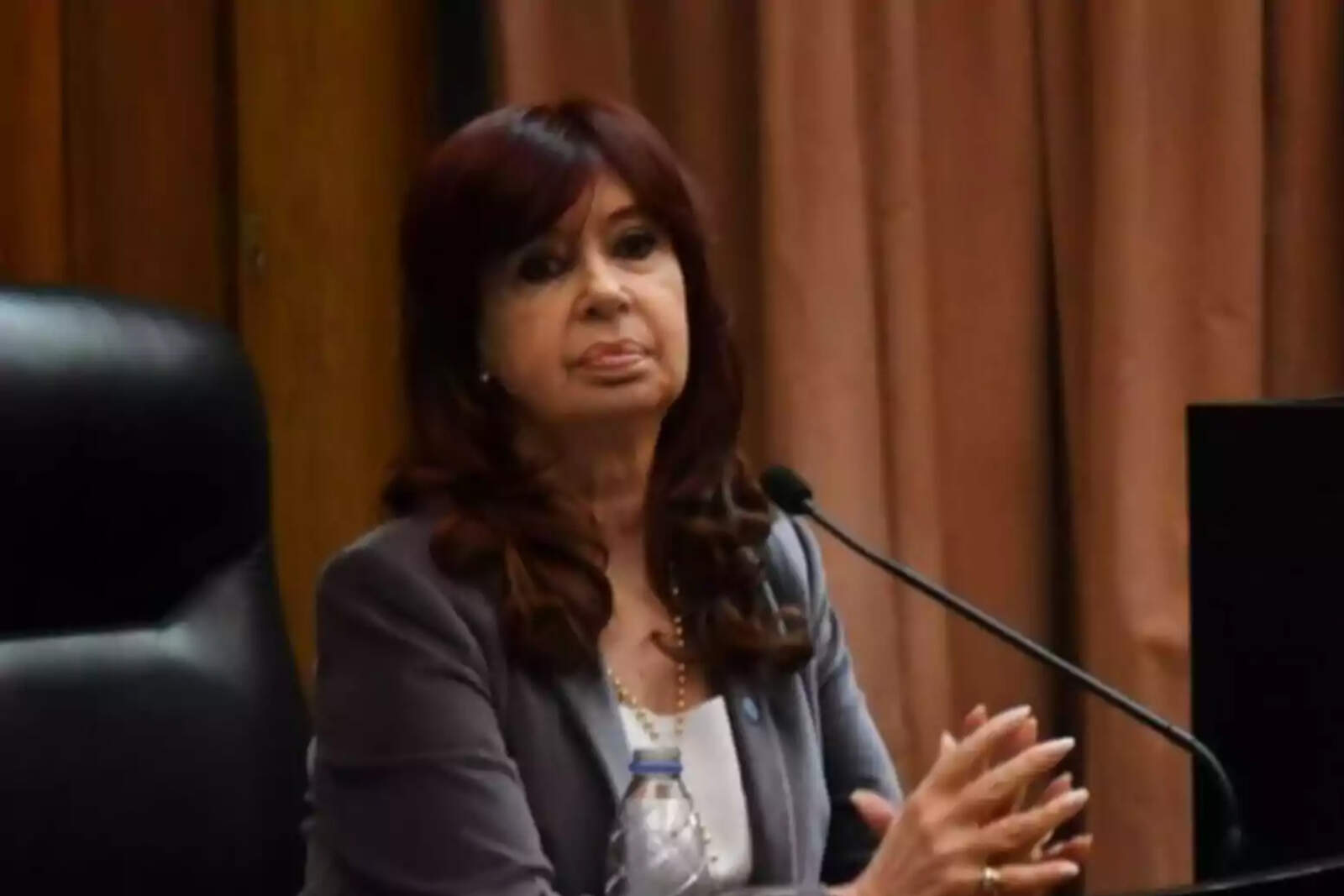
Federal Oral Court No. 7, composed of the presiding judges Germán Castelli, Enrique Méndez Signorini, and Fernando Canero, denied the request from the Court of Cassation to expedite the oral trial in the Cuadernos de las Coimas case, in which Cristina Fernández de Kirchner is the main defendant along with 86 others charged with corruption.
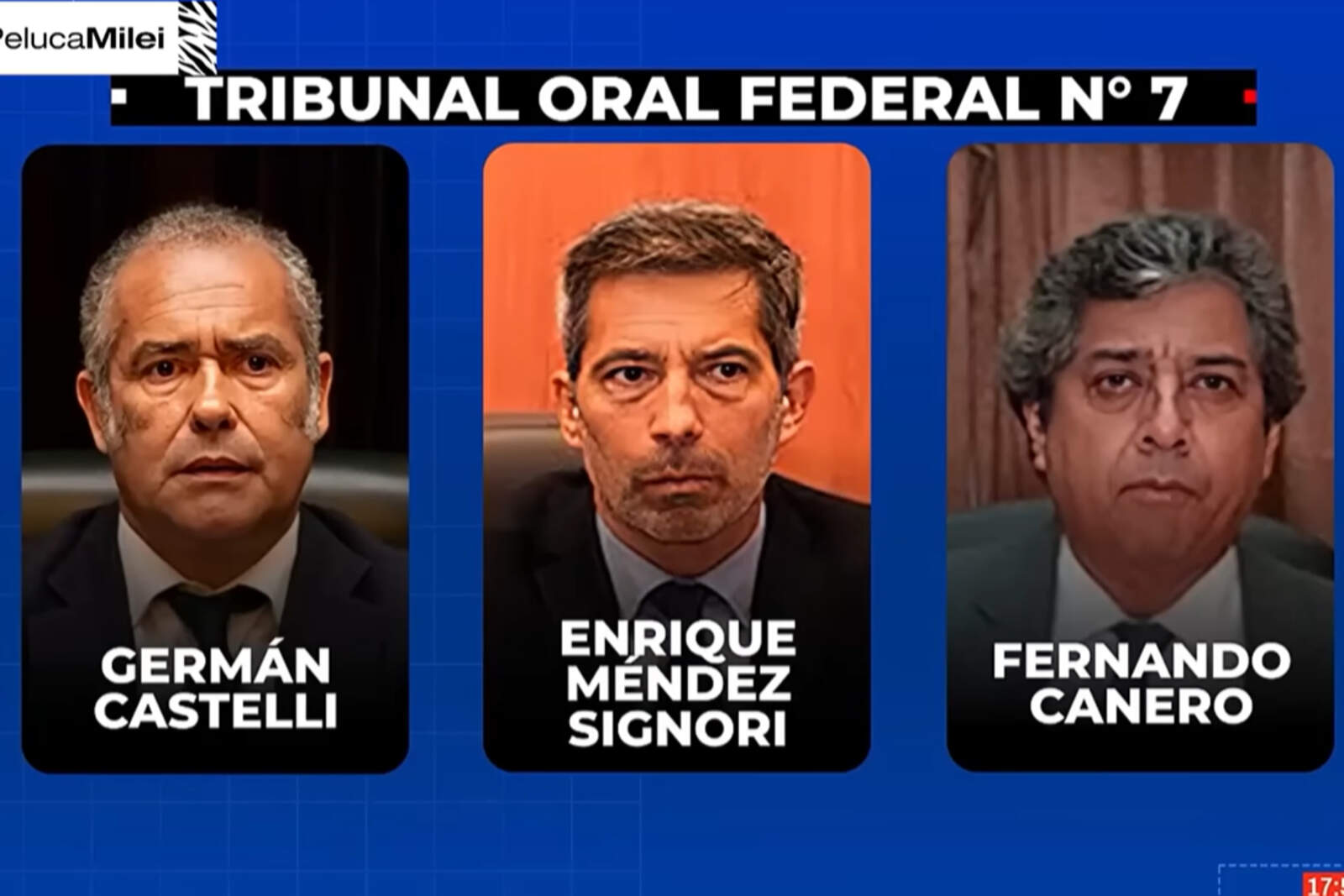
In a decision that caused discontent within the Judiciary, the judges stated that "they see no reason" to modify the current scheme of virtual hearings, arguing that the court is "overloaded with work" and that the request "would affect judicial independence."
The decision was met with indignation by judges and prosecutors, but above all by society itself, which is closely watching the case in anticipation of justice.
The Supreme Court had expressed its concern about the delay in the process, meanwhile, the Judicial Council, through Alberto Maques, sent a formal note to the court recommending that hearings be held in person and with full-day sessions to avoid delays and restore public trust. "Delayed justice is not justice. Every delay erodes the legitimacy of the system and widens the gap between citizens and the Judiciary," Maques warned.
In the document, the judges stated that "judges are not called to be popular, but to be independent." The phrase sparked immediate criticism, since it is evident that the court confuses independence with inaction.
It should also be remembered that the Federal Criminal Procedure Code requires full in-person attendance for oral trials, and that the use of virtual platforms was a temporary exception during the pandemic. This is a fact that the judges of the oral court evidently choose not to remember.
Additionally, the judges of TOF 7 argued that when virtual hearings were decided, no one complained, omitting that prosecutor Fabiana León had already pointed out the need for in-person hearings, since a scheme like the current one could extend the trial for more than five years.