The Mercosur took a key step towards a more open and competitive trade agenda by agreeing to start negotiations with Japan, Vietnam, and India, three strategic markets to expand the access of products and services from the bloc to Asia.
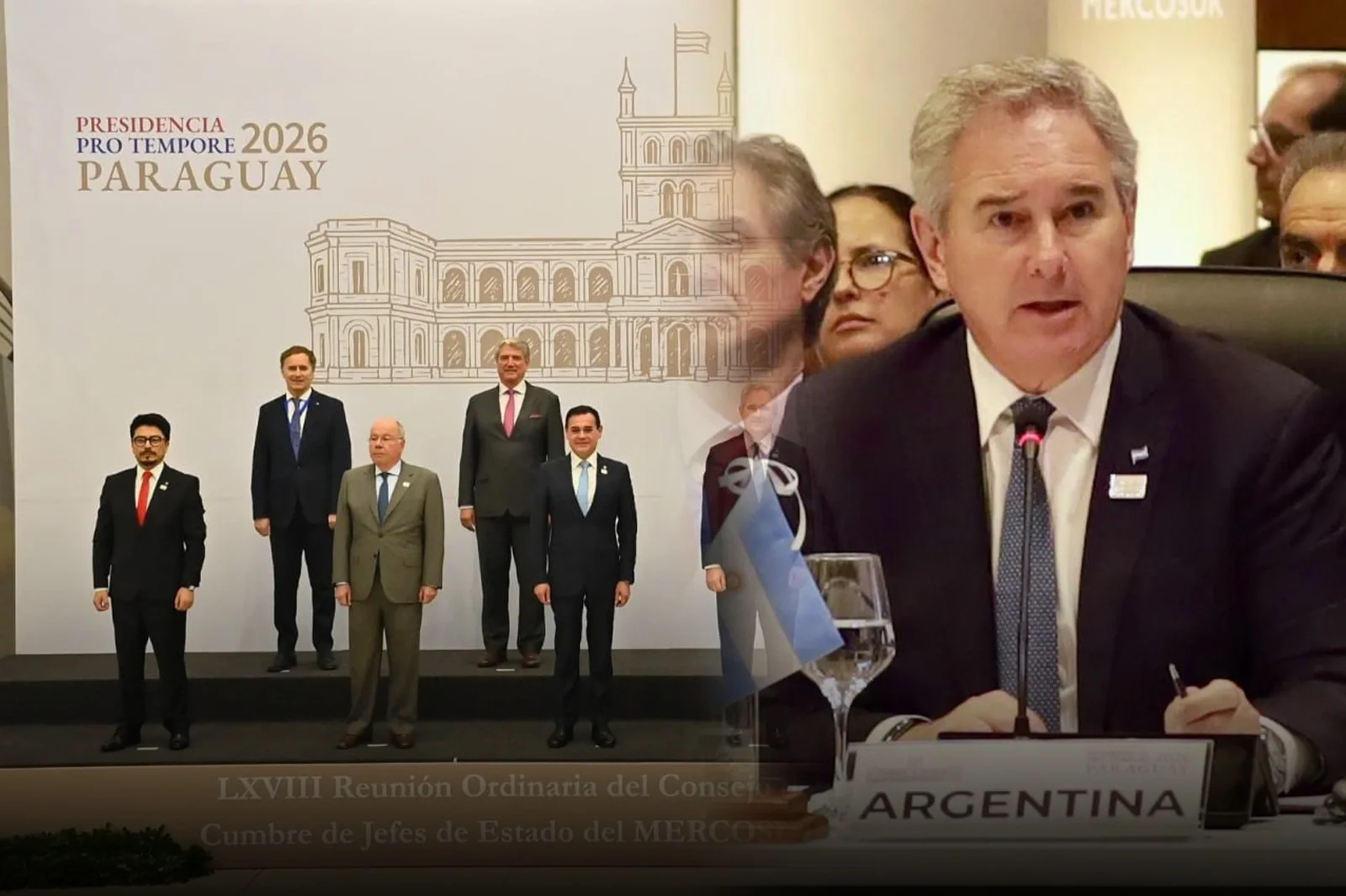
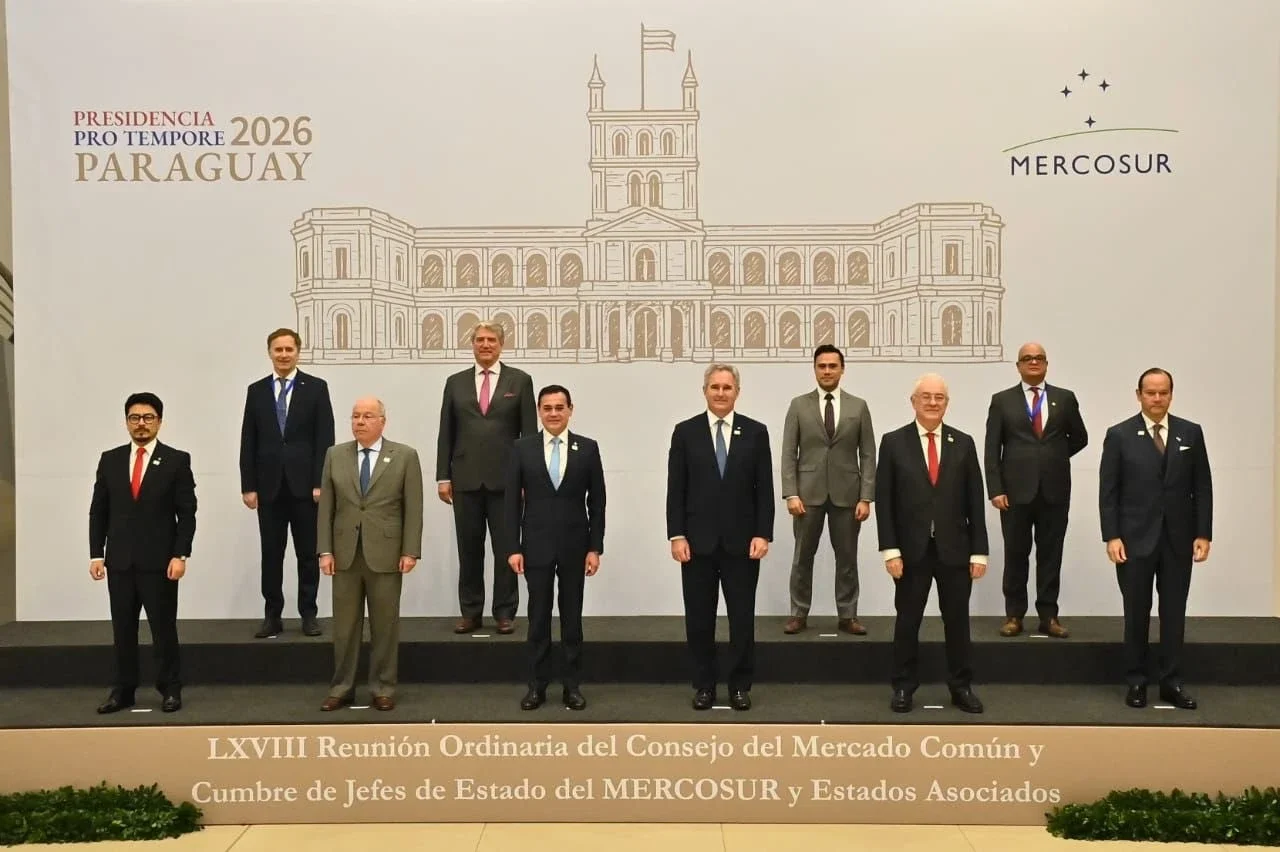
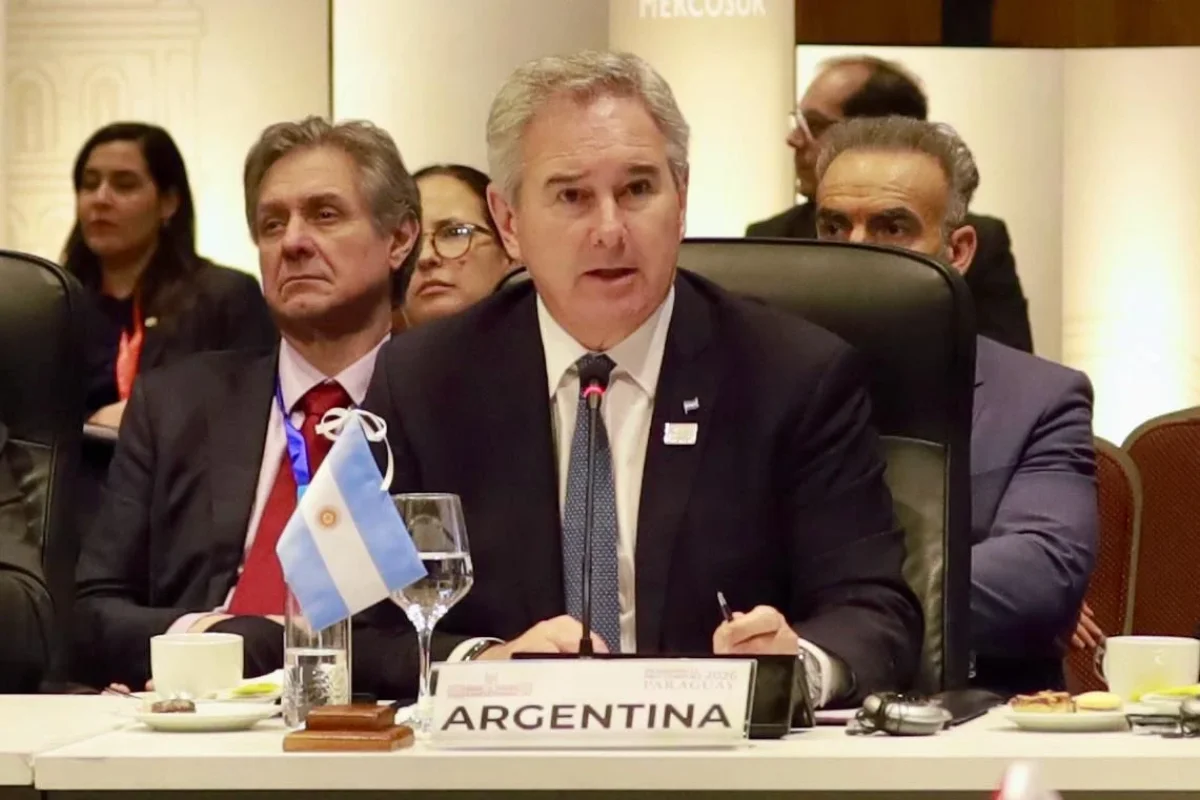
The decision was communicated during the LXVIII Ordinary Meeting of the Common Market Council, held in Asunción, ahead of the bloc's summit of presidents. There, Argentine Foreign Minister Pablo Quirno stated that Mercosur faces "a historic challenge: opening up to the world" and emphasized the need to move towards "a simpler tariff, regulatory convergence, and more trade agreements that allow us to compete".
The meeting took place in Paraguay
Specifically, the bloc announced the launch of negotiations for a free trade agreement with Japan, agreed to begin talks with Vietnam, with the first round taking place in August in Buenos Aires, and agreed to advance in negotiations with India.
As Quirno explained, these processes will improve the entry of Mercosur products and services to a combined market of nearly 1.7 billion people, equivalent to 21% of the world's population and about 8% of global Gross Domestic Product.
Pablo Quirno in Asunción
"Argentina supports all opportunities that involve more trade, more freedom, and more openness", said the foreign minister, in line with the government of Javier Milei's position to modernize a bloc that for years has been trapped in internal discussions, bureaucratic hurdles, and a protectionist logic that limited the region's export potential.
The agenda was not limited to Asia, but also revolved around Latin America. The foreign ministers also agreed to advance in the modernization of the Economic Complementation Agreement 35 with Chile and ACE 72 with Colombia, two instruments that the bloc will seek to update to improve exchange conditions and deepen its ties with regional partners.
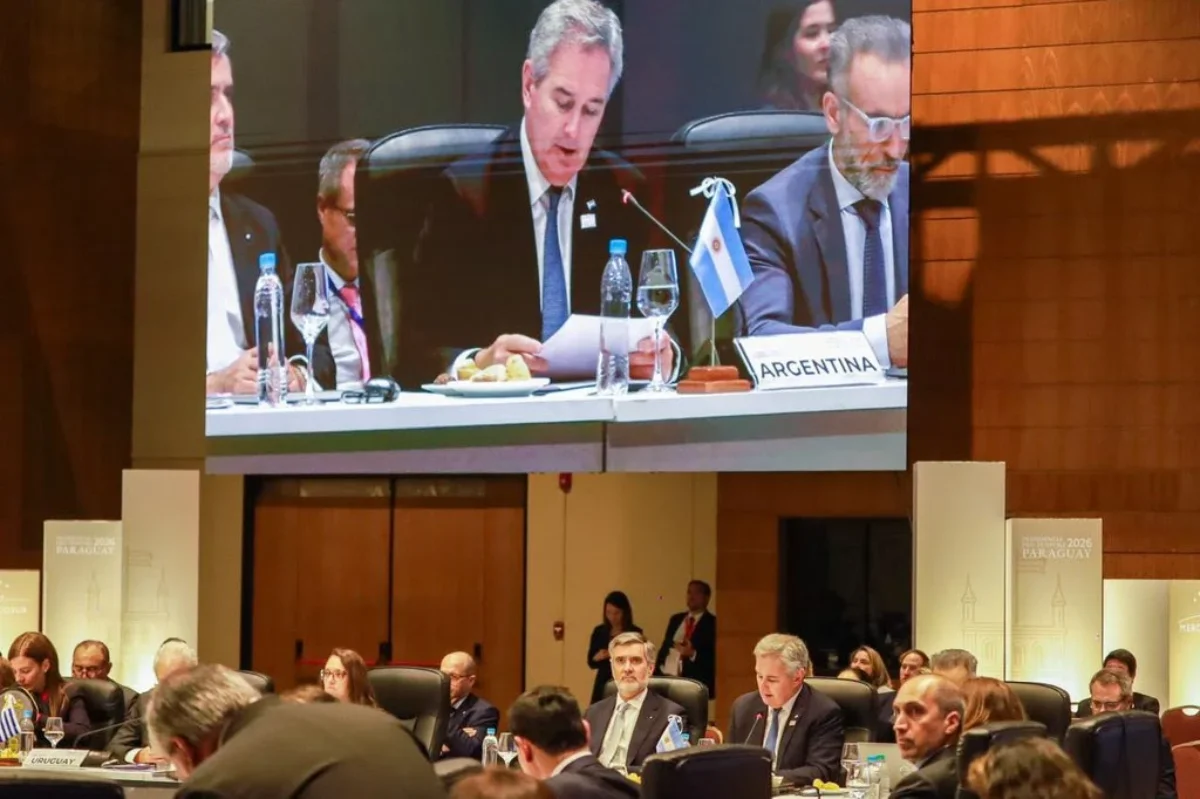
Pablo Quirno in Asunción
In parallel, Mercosur will maintain talks with Trinidad and Tobago, a country that formally submitted its request to join as an associated state in March. The discussion is part of a broader external relationship agenda, at a time when the bloc is trying to regain dynamism after years of closed borders.
With negotiations open with Japan, Vietnam, and India, the bloc is beginning to move towards a more pragmatic and open agenda to the world. For Argentina, the challenge will be to maintain this opening orientation and prevent the old interventionist logic from blocking concrete growth opportunities again.