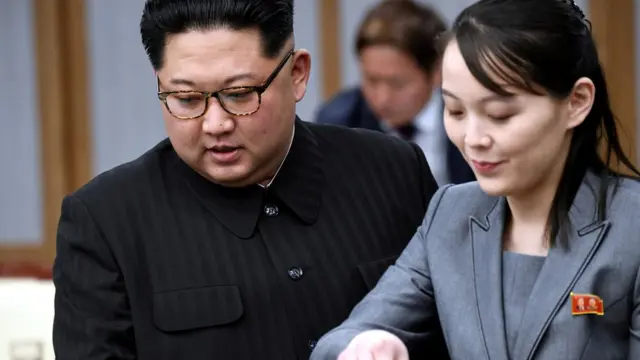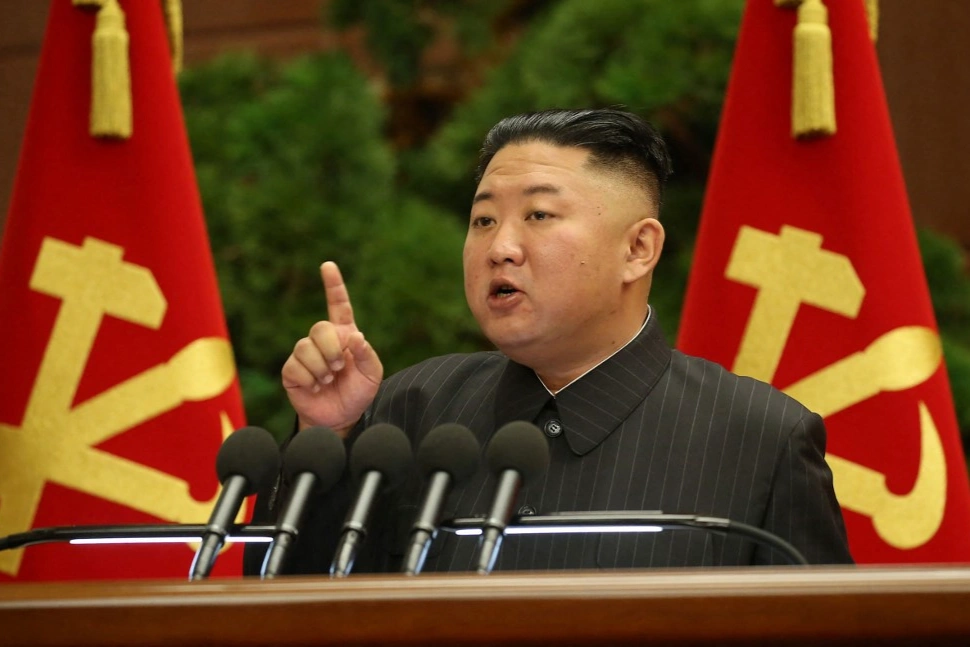

North Korea announced an almost total victory for the ruling party in the recent legislative elections, in a process that once again generated harsh international criticism for the absence of political pluralism. According to the state agency “Korean Central News Agency” (KCNA), the Workers' Party, led by Kim Jong-un, obtained 99.3% of the votes with a 99.9% turnout
.In the elections, 687 deputies were elected to the Supreme People's Assembly, the country's legislative body. However, all the candidates were previously nominated by the ruling party, which prevented any type of electoral competition. Citizens could only approve or reject a single candidate per constituency, a common practice in the North Korean political system
.Although the authorities highlighted the results as a sign of popular support for the regime, analysts point out that the process lacks democratic guarantees. The possibility of voting against, introduced recently, was barely reflected in the results: 0.7% of the voters rejected the candidates, compared to 0.1% registered in
previous elections.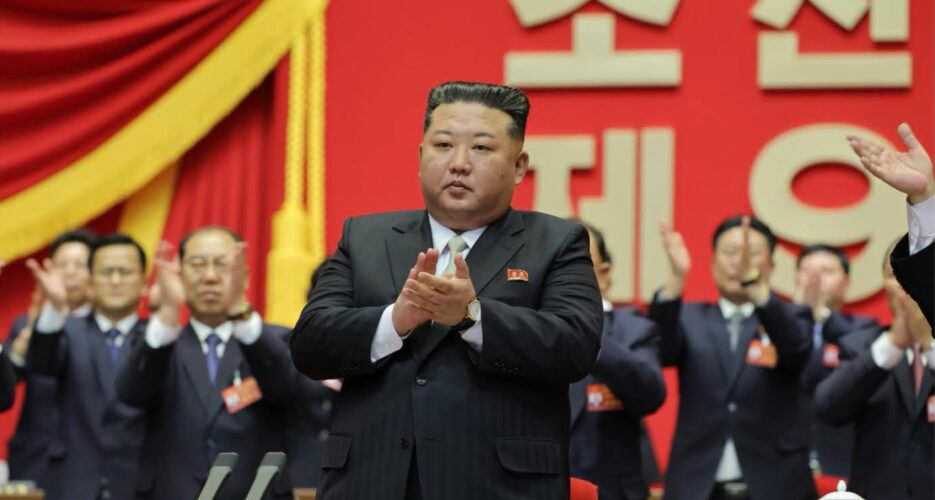
The North Korean leader did not participate as a candidate, but he is expected to be reappointed as president of the State Affairs Commission, the highest body of power that he created in 2016. In practice, the country's key decisions continue to be concentrated on its figure and on the leadership of the Workers' Party