Among those included are even leaders linked to socialism itself, such as former Transport Minister José Luis Ábalos, the president of PSOE, Cristina Narbona, and leaders like Eduardo Madina and Juan Lobato.





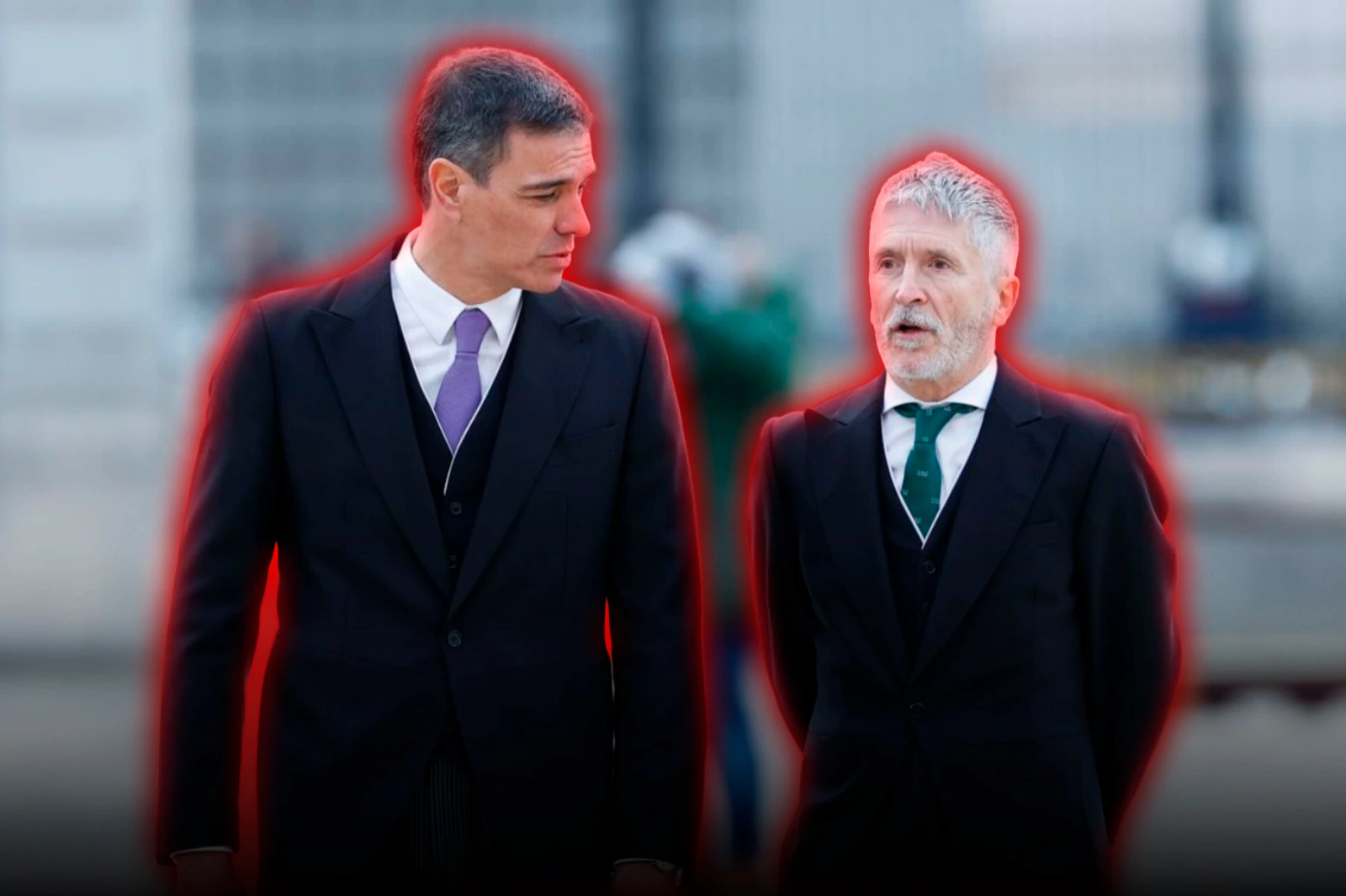

The Ministry of the Interior document classified communicators according to their political position and their relationship with the socialist Government
Among those included are even leaders linked to socialism itself, such as former Transport Minister José Luis Ábalos, the president of PSOE, Cristina Narbona, and leaders like Eduardo Madina and Juan Lobato.





A new scandal shakes the socialist Government of Pedro Sánchez in Spain after it was revealed that the Ministry of the Interior prepared a restricted access dossier on nearly 280 journalists, analysts, and media collaborators, classifying them according to their political ideology and their stance towards the administration.
The document, revealed this Tuesday by El Confidencial, was compiled in 2024 by the department led by Fernando Grande-Marlaska and contains profiles of professionals linked to almost all major Spanish media outlets. In addition to journalists, it includes lawyers, political leaders, and former officials who regularly participate in radio and television programs.
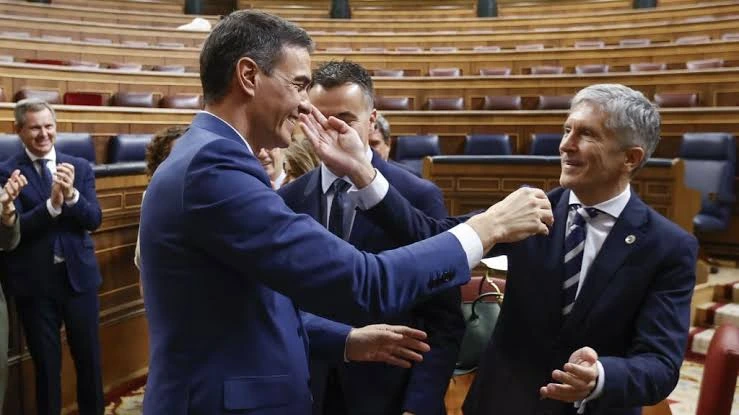
The report, titled “Tertulianos. Radio y Televisión”, consists of 54 pages and 281 profiles, although one name is repeated. Each entry includes a photograph, a description of the media in which the person works, and assessments of their political profile.
Among the categories used are expressions such as “Supports the Government”, “Aligned with right-wing positions”, and “Defends PSOE policies”, according to the Spanish media.
The dossier was prepared during a particularly delicate period for Sánchez. In 2024, legal complaints related to his wife, Begoña Gómez, began to grow, while the Spanish president even published a letter in which he publicly raised the possibility of stepping down from office.
According to El Confidencial, the document was to be kept out of public knowledge and remained restricted for more than two years. The initiative also reportedly generated questions within the Ministry's own Communication Office, where some employees warned about the fascist nature of the classifications made.
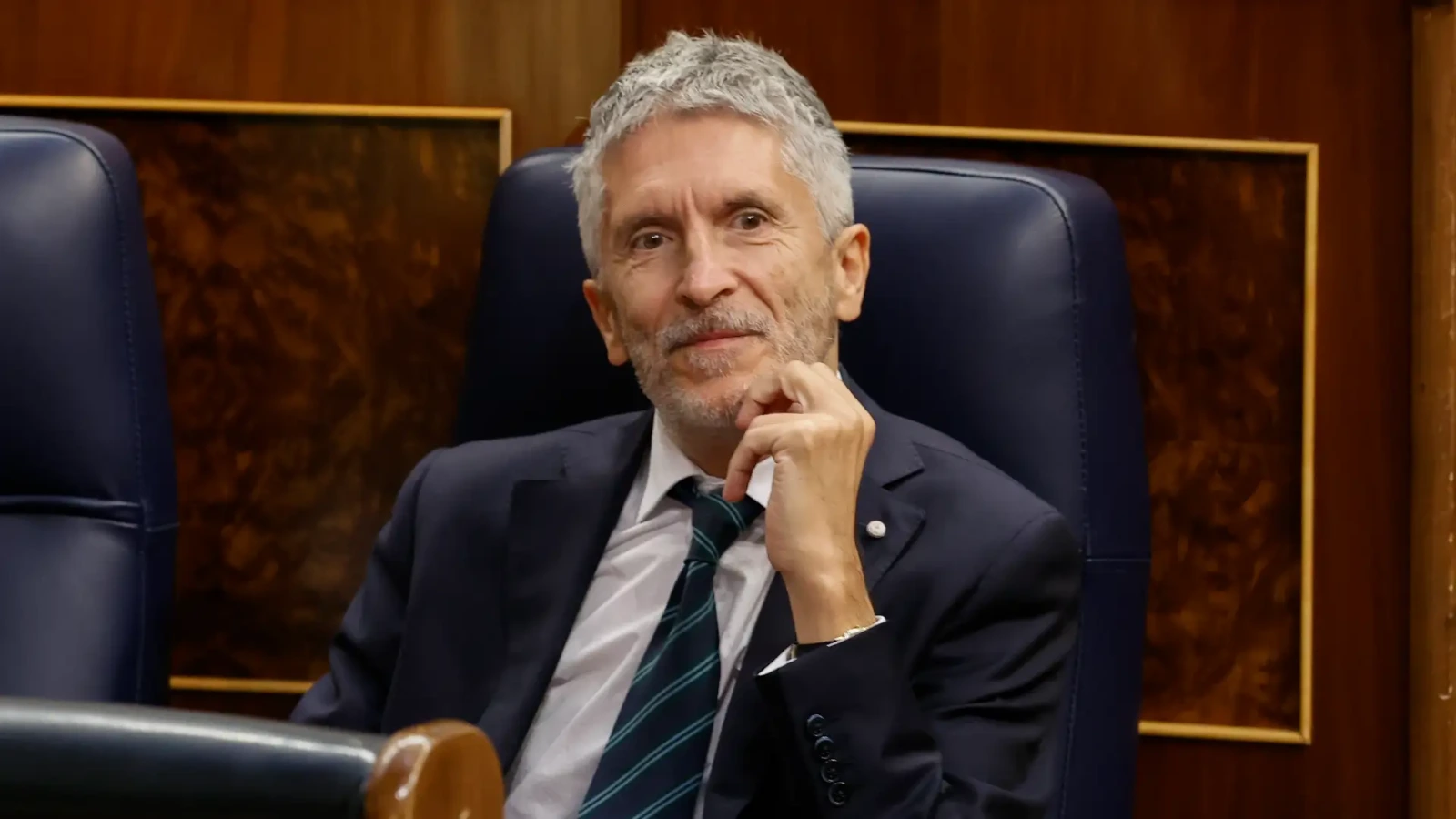
The Ministry rejected that it was a “blacklist” and denied that it had been used to condition access to official information or the distribution of institutional advertising. In light of the case's repercussions, the department ended up apologizing to the affected journalists and defined the report as a simple “working dossier” of a consultative nature.
The Interior maintained that the document did not aim to establish mechanisms of censorship or restrictions on journalistic activity. Grande-Marlaska, for his part, stated that his Ministry does not differentiate between journalists or media when providing information.