Petro repeats the story of failure by pushing a reform that not only eliminates freedom of choice in pension matters, but also turns workers' savings into a political prize. What he presents as social justice is, in reality, a blatant act of populism that repeats Argentina's 2008 mistake, when private pension funds were nationalized with false promises that only brought misery to retirees.
Far from modernizing the system, Petro's government has chosen to blow up the individual capitalization regime to impose a statist, centralized, and politically manipulated model. This way, the State becomes the main administrator of the resources of millions of Colombians, not to guarantee their dignified retirement, but to finance clientelist programs and consolidate power at the expense of others' efforts.
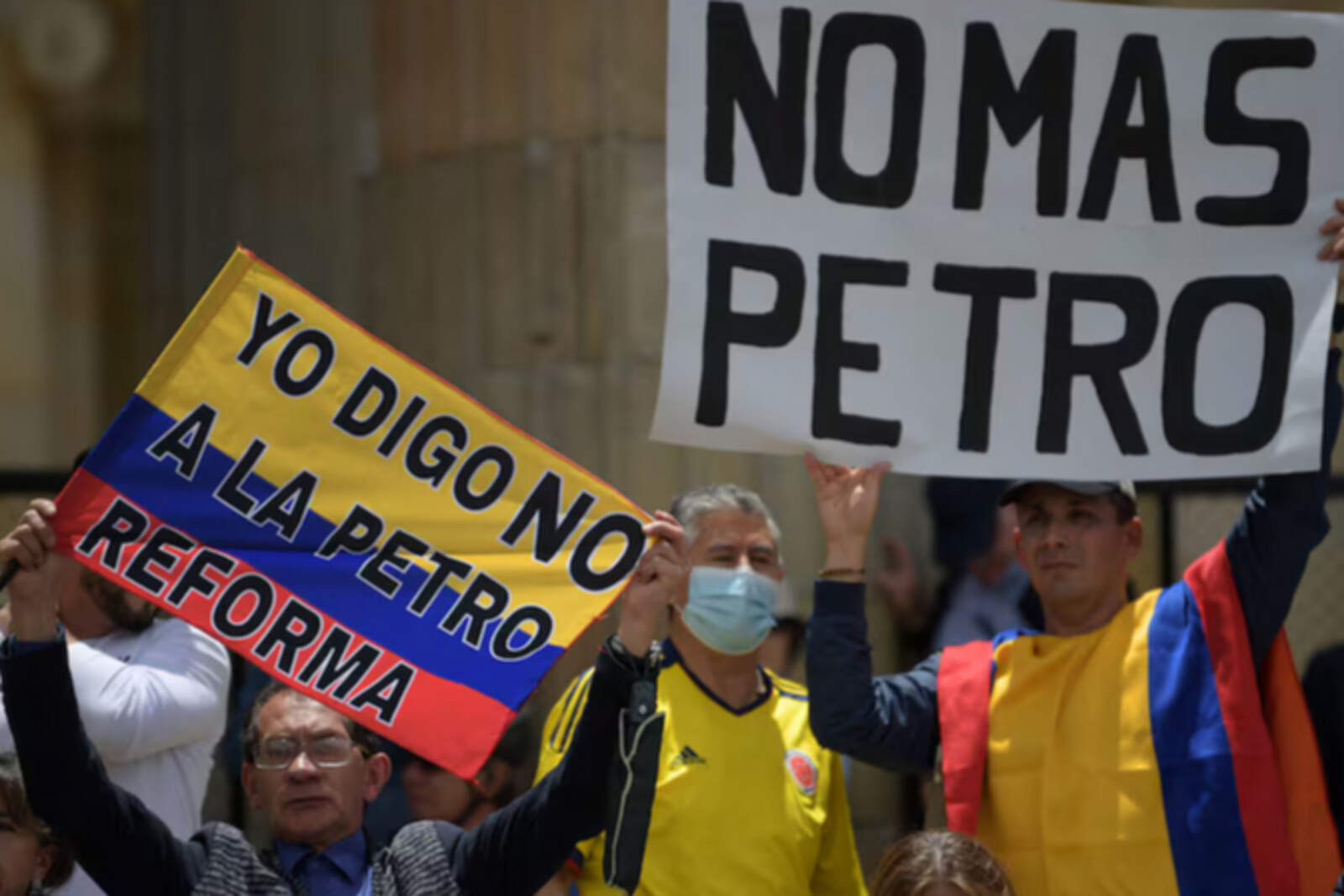
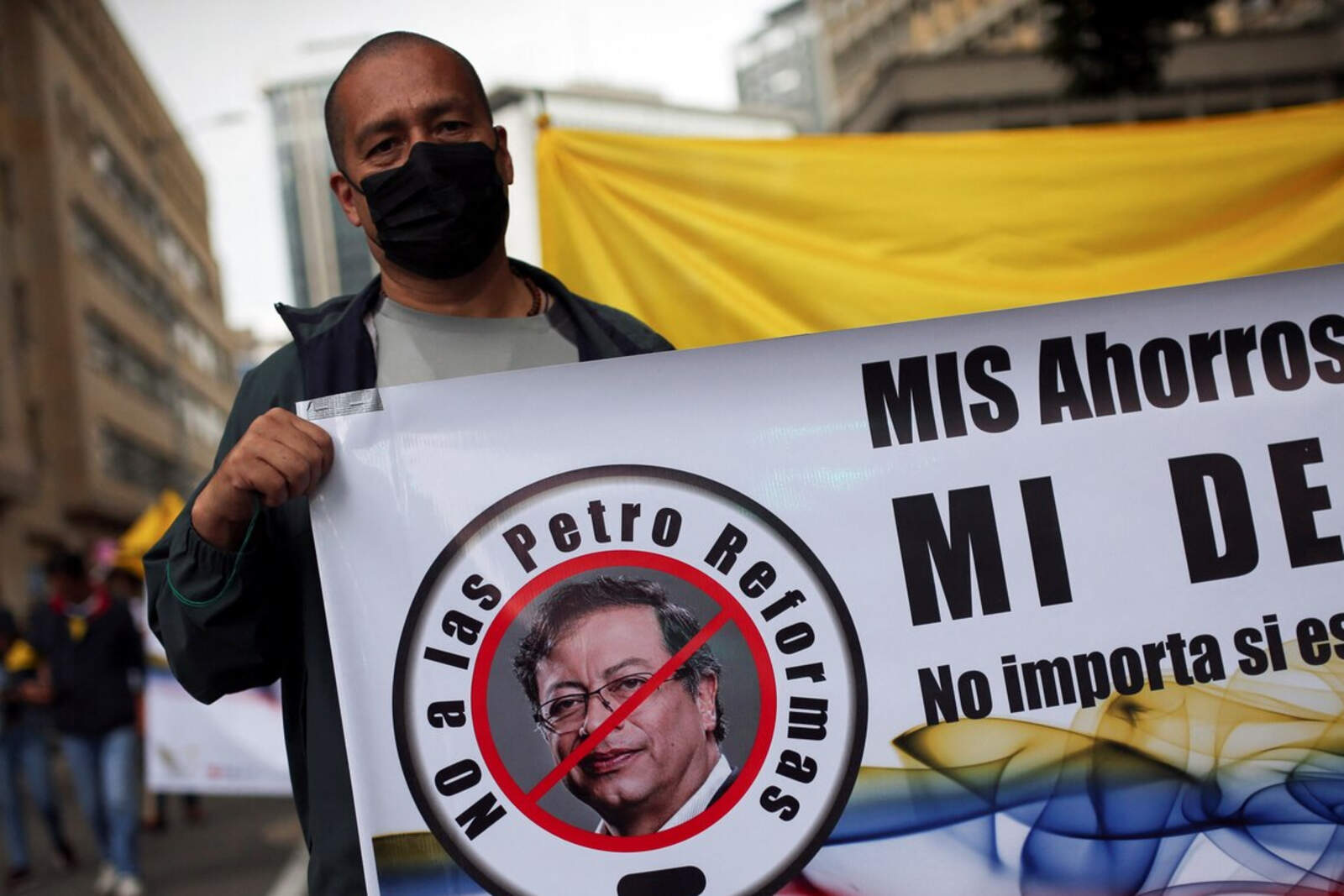
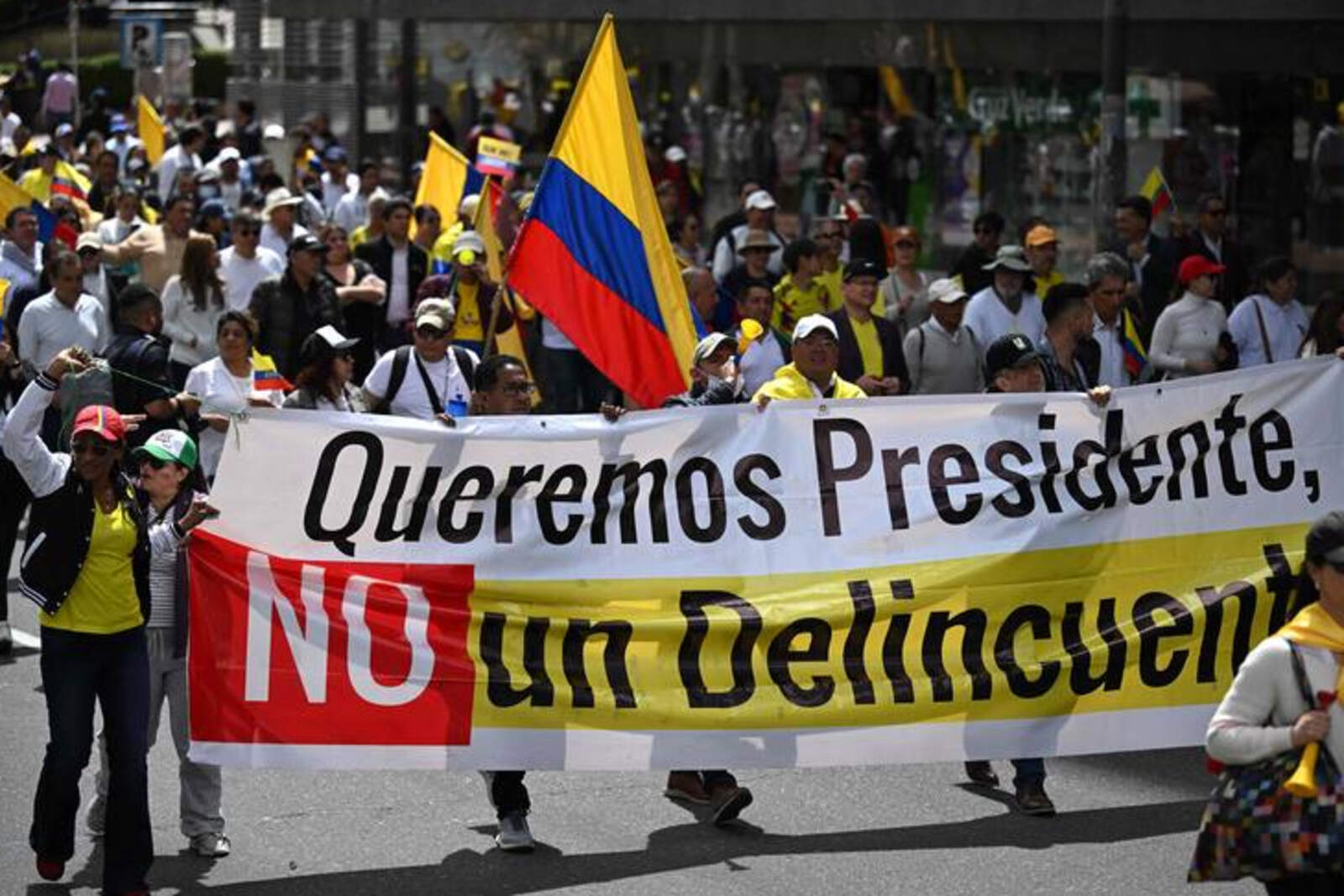
Protestas contra Petro
The plan: confiscate savings and eliminate freedom
The plan: confiscate savings and eliminate freedom is the real objective behind Petro's pension reform. Forcing workers to contribute to Colpensiones up to 2.3 minimum wages completely destroys the principle of individual choice. Under this scheme, the State becomes the sole administrator of the funds, nullifying the possibility for each Colombian to build their own retirement. It is a political maneuver to control others' resources for clientelist purposes.
This imposition violates every citizen's right to decide about their financial future. The most serious aspect is that this centralization of contributions not only puts the system's sustainability at risk, but also creates absolute dependence on the State. When governments change and resources run out, those affected will not be the politicians, but the millions of Colombians who trusted in a system now hijacked.
Petro Preocupado por las protestas
An institutionalized theft
An institutionalized theft is what this reform truly represents. This is not about solidarity; it is about turning workers' contributions into available money to finance populist basic incomes. Petro is institutionalizing the plundering: he appropriates private funds to distribute them as electoral handouts, sacrificing the system's sustainability and deceiving Colombians with a discourse of equity.
This new system punishes those who work, those who save, those who plan their future responsibly. The logic of this reform is perverse: if you save, they take it away; if you do not save, the State rewards you. This perversion destroys the incentives for effort and merit, the essential basis of a healthy economy. Furthermore, it leaves the door open to political and discretionary use of resources, as has already happened in other countries where populism wiped out pension funds.
Argentina, the mirror Petro chose to ignore
Argentina, the mirror Petro chose to ignore, clearly shows the outcome of this type of reform. In 2008, Kirchnerism destroyed the AFJP with promises of well-being that never arrived. Petro is following the same path, ignoring the lessons of the past out of sheer ideological fanaticism.
The result in Argentina was devastating: the funds were used to cover deficits, pay social plans, and finance electoral campaigns. Nothing remained of the savings that millions of Argentinians accumulated over years. That is the recipe Petro wants to import to Colombia, deliberately ignoring Argentina's failure and condemning a new generation to the same fate.
Petro and his crusade against saving
Protestas contra Petro
Petro and his crusade against saving reflect the true spirit of this reform: to destroy the individual capitalization system and centralize economic power in the hands of the State. The message is clear: do not work, do not save, because the government will support you... until the model collapses. It is a generational scam disguised as social policy.
The president not only attacks individual savings, but also sends a destructive message to the country's productive fabric. Instead of rewarding effort, Petro imposes a system that punishes those who produce and rewards those who depend on the State. This ideological crusade against merit and responsibility is not only economically unviable, but also morally corrosive. A country that destroys saving destroys its future.
In conclusion, Petro repeats the story of failure by promoting a reform that undermines the foundations of saving, eliminates individual responsibility, and puts the future of millions of Colombians at risk. It is a plundering disguised as solidarity that, as in Argentina, will only bring poverty, dependence, and crisis. Colombia still has time to stop this populist madness. What is at stake is not just a pension: it is the freedom to decide how to live and how to grow old.