Another point of conflict is the legal impact of the decision. Terminating the application of such a law without exhausting its effects could violate basic principles of law, especially in relation to legal certainty and equality before the





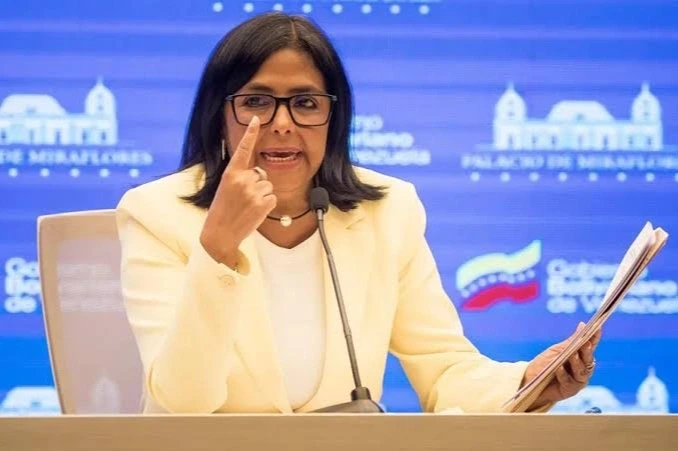

Opposition organizations and sectors warn that the measure leaves hundreds of political prisoners without guarantees.
Another point of conflict is the legal impact of the decision. Terminating the application of such a law without exhausting its effects could violate basic principles of law, especially in relation to legal certainty and equality before the





The debate is also part of a broader context of institutional reforms in Venezuela, where the judicial system has undergone recent changes that generate concern in different sectors. In this context, the elimination of the amnesty is seen by some as a setback in terms
of guarantees.
From a broader perspective, the episode reflects the difficulties in advancing political reconciliation processes in the country. While the government maintains that the measure fulfilled its function, criticism points to the fact that the process was incomplete and without clear monitoring mechanisms
.The controversy leaves open a key question: whether the closing of the law represents the end of a phase or the beginning of new tensions in a political scenario that is still fragile.
The decision of the Venezuelan regime to end the application of the Amnesty Law sparked a strong controversy, with criticisms pointing out that the measure is arbitrary and even unconstitutional, in a context of growing concern about the situation of rights and judicial guarantees in the country.
The law, approved in February 2026, had been presented as a mechanism to release people detained for political reasons and to move towards a phase of detente. However, just two months later, the authorities announced the closure of their application, arguing that the process had already met
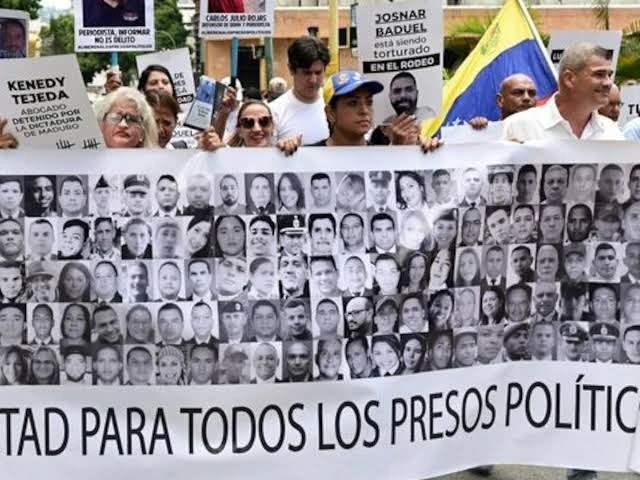
its objective.Since the dictatorship of Delcy Rodríguez, they maintain that thousands of people benefited from the measure, including hundreds of political prisoners. However, independent organizations warn that there are still between 400 and 600 people in detention, many of them excluded from the reach of the law or without effective access to benefits
.
The criticisms focus on the lack of transparency and the discretionary nature of the process. According to different sectors, the application of the amnesty did not follow clear criteria, which generated inequalities and left pending cases unresolved. In addition, it is questioned whether the closure of the law occurred without completing the release processes or establishing guarantees of non-repetition