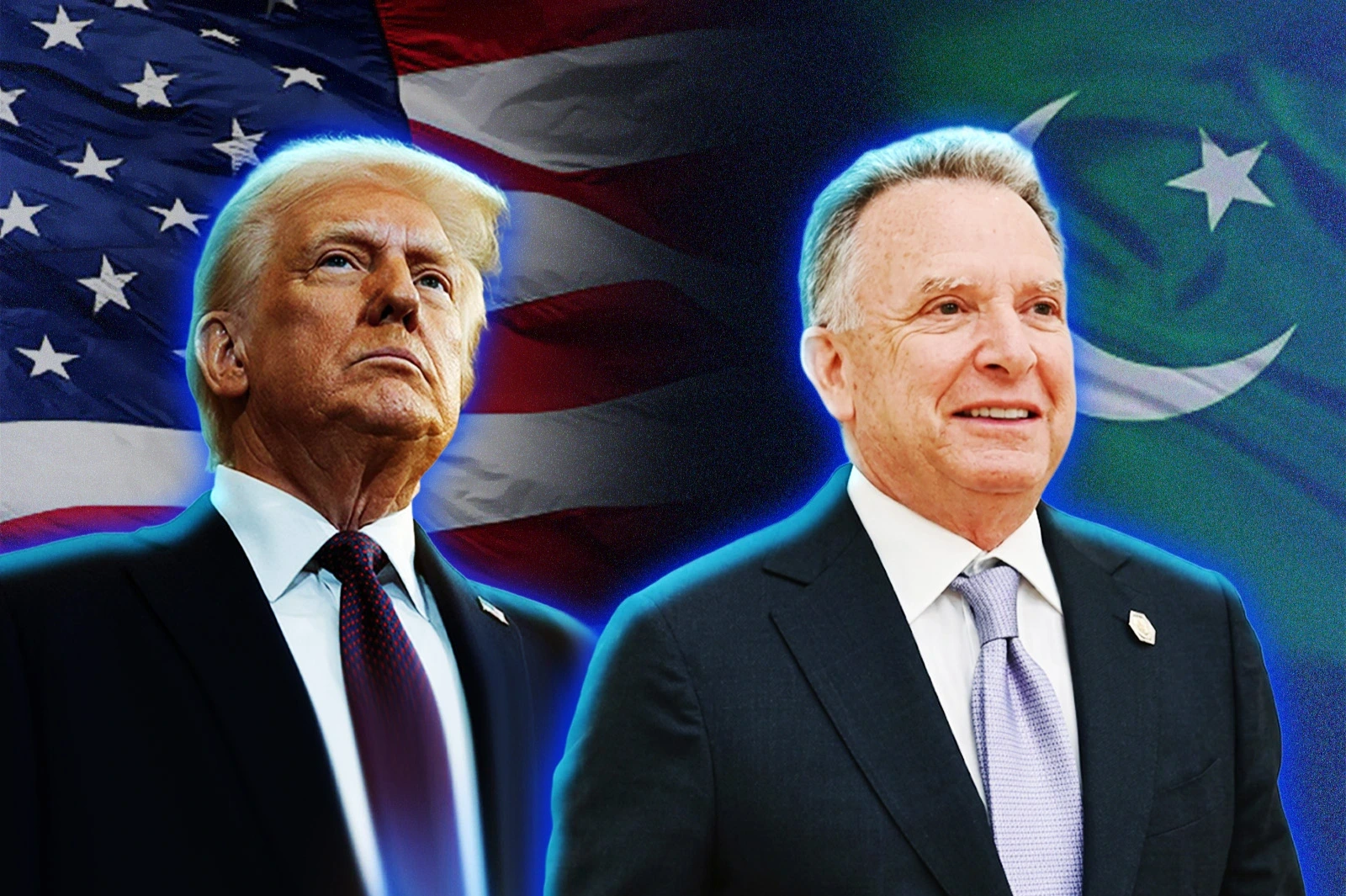

The administration of the President of the United States, Donald Trump, will send his special envoy Steve Witkoff and his advisor and son-in-law Jared Kushner to Pakistan this Saturday, in an attempt to advance indirect diplomatic contacts with Iran in the midst of the conflict that continues to generate international tension and volatility in energy markets
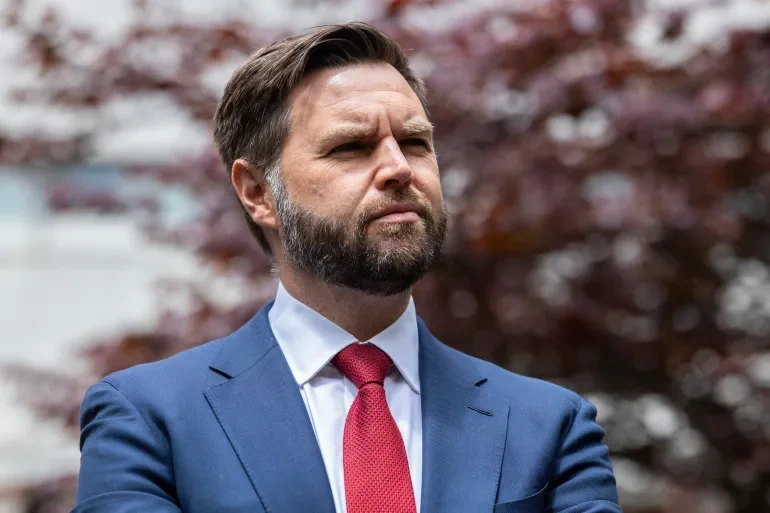
.The announcement was made by White House spokeswoman Karoline Leavitt, who said that Washington perceives a greater willingness to dialogue on the part of Tehran in recent days. “Iranians want to talk,” he said, stressing that Trump maintains his position of “always giving diplomacy a chance”, even in a context of military confrontation. As he explained, Vice President JD Vance remains in reserve and could join the talks if significant progress
is made.On the Iranian side, Foreign Ministry spokesman Esmail Baqaei confirmed the arrival in Islamabad with Foreign Minister Abbas Araghchi. However, he clarified that direct meetings with American representatives are not planned, but that Iran's positions will be transmitted through Pakistani authorities. This indirect format reflects both diplomatic caution and persistent mistrust between both
sides.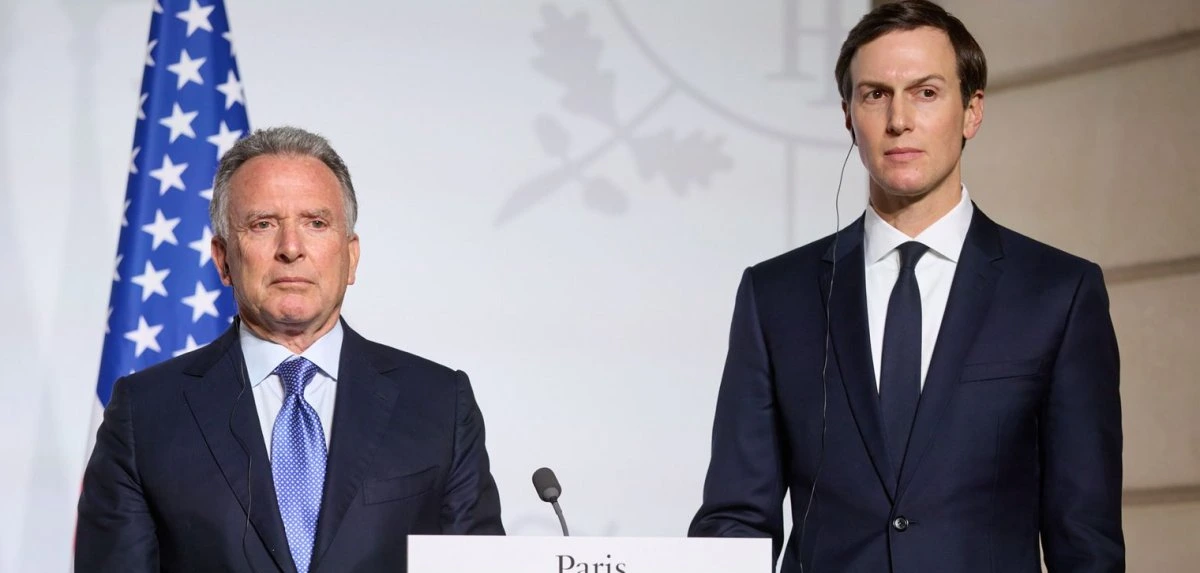
The efforts take place in a scenario marked by the escalation that began on February 28, when the United States and Israel launched attacks against strategic objectives in Iran. In response, Tehran imposed restrictions on maritime traffic in the strategic Strait of Hormuz, a key route for global oil trade. This situation has contributed to a strong increase in energy prices and has raised international concern about the stability of supplies
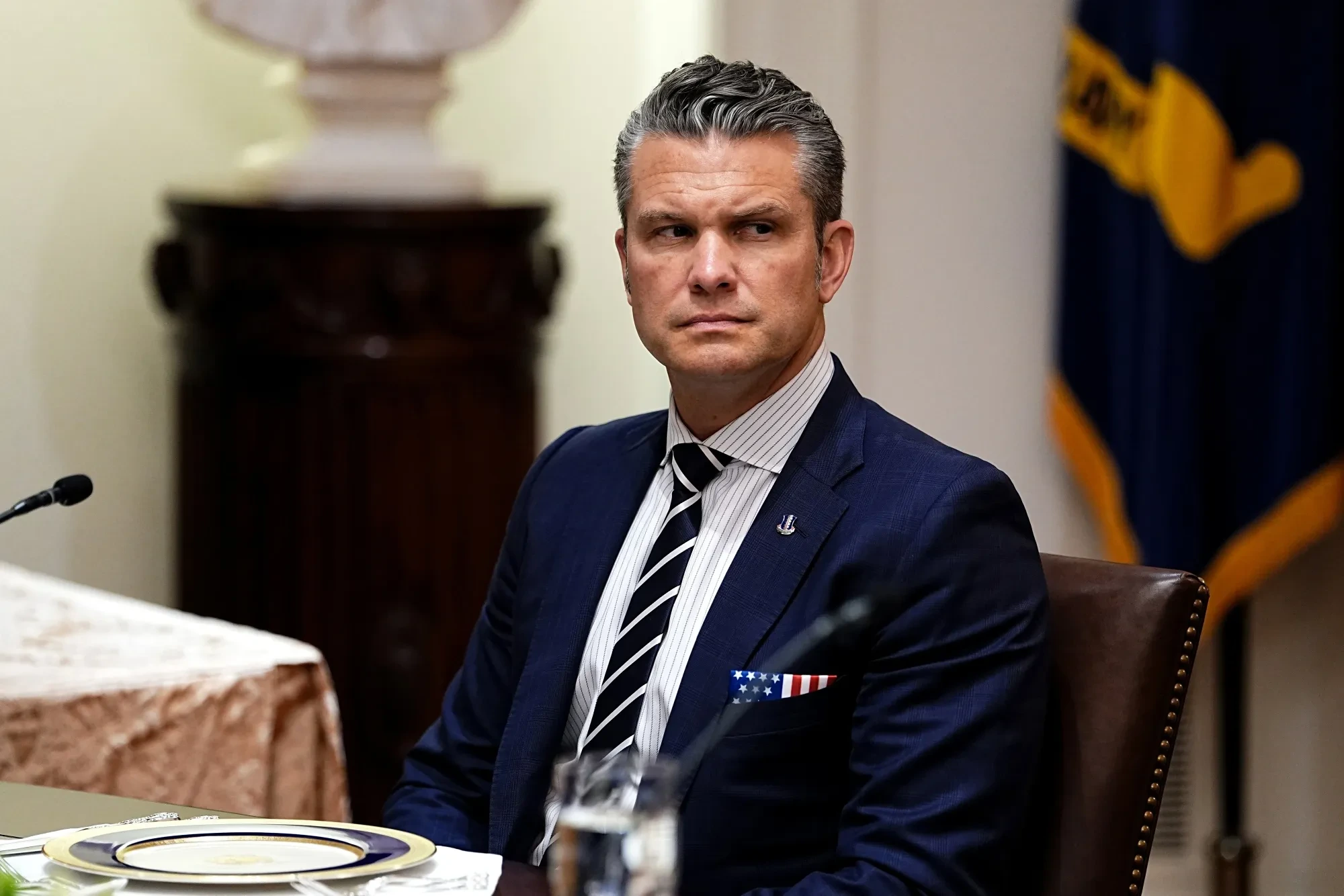
.From Washington, the Secretary of War, Pete Hegseth, reiterated that Iran still has the opportunity to reach a favorable agreement if it renounces in a “significant and verifiable” manner any development of nuclear weapons. The American position thus combines strategic pressure with openness to negotiation, in line with the foreign policy promoted by Trump