A 55-page document submitted to the National Court claims that there was prior planning and describes an active involvement of Moroccan agents during the massive arrival of people to the autonomous city
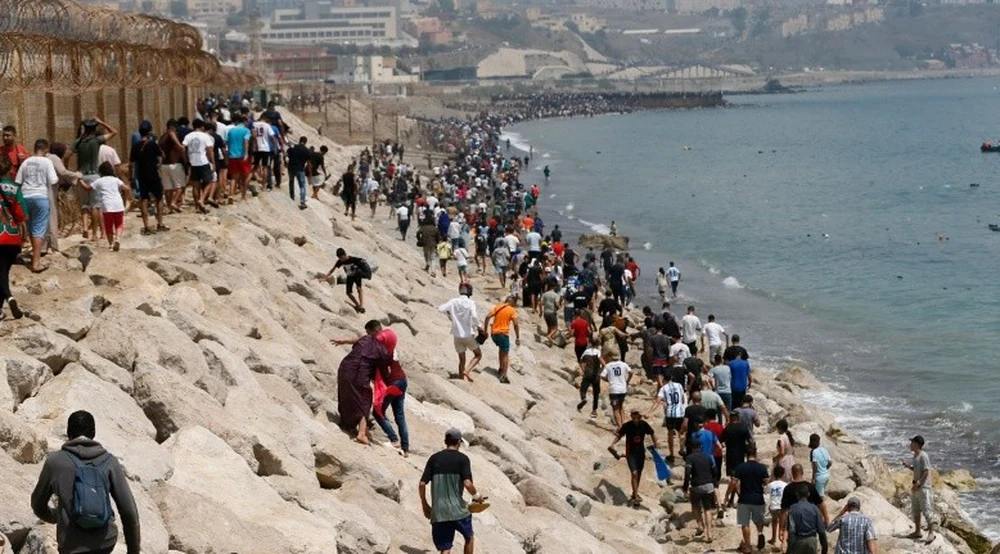
The scale of the episode was extraordinary. Estimates collected in police reports speak of tens of thousands of people mobilized, while a significant portion of those who entered the city later returned to Morocco. During the first days of the crisis, the Interior Ministry counted 25,000 returns to the neighboring country.
The police report also suggests that the magnitude of the displacement is difficult to explain solely through the usual actions of human trafficking mafias. Investigators are therefore analyzing the possibility that there was a more extensive organized action.
Illegal immigrants entering Ceuta
The publication of the report also opened a dispute among various Spanish institutions. While the police document points to active involvement by members of the Moroccan forces, the Ministry of the Interior of the communist government of Pedro Sánchez denied that there is sufficient documentary evidence to hold Morocco responsible for the planning or execution of the mass entry.
The episode left Ceuta under strong migratory pressure for weeks and forced the deployment of a significant police and emergency response. The situation also raised concerns about border security and the ability of authorities to respond to coordinated mass movements.
A report from the National Center for Immigration and Borders (CENIF) of the National Police states that the massive influx of illegal immigrants into Ceuta on July 30 and 31 may have involved prior planning from Morocco and the intervention of Moroccan agents who would have guided the groups during the crossing into Spanish territory.
According to the police conclusions released, Moroccan security forces would have shown unusual permissiveness and, at certain moments, would have actively directed immigrants towards specific points on the border.
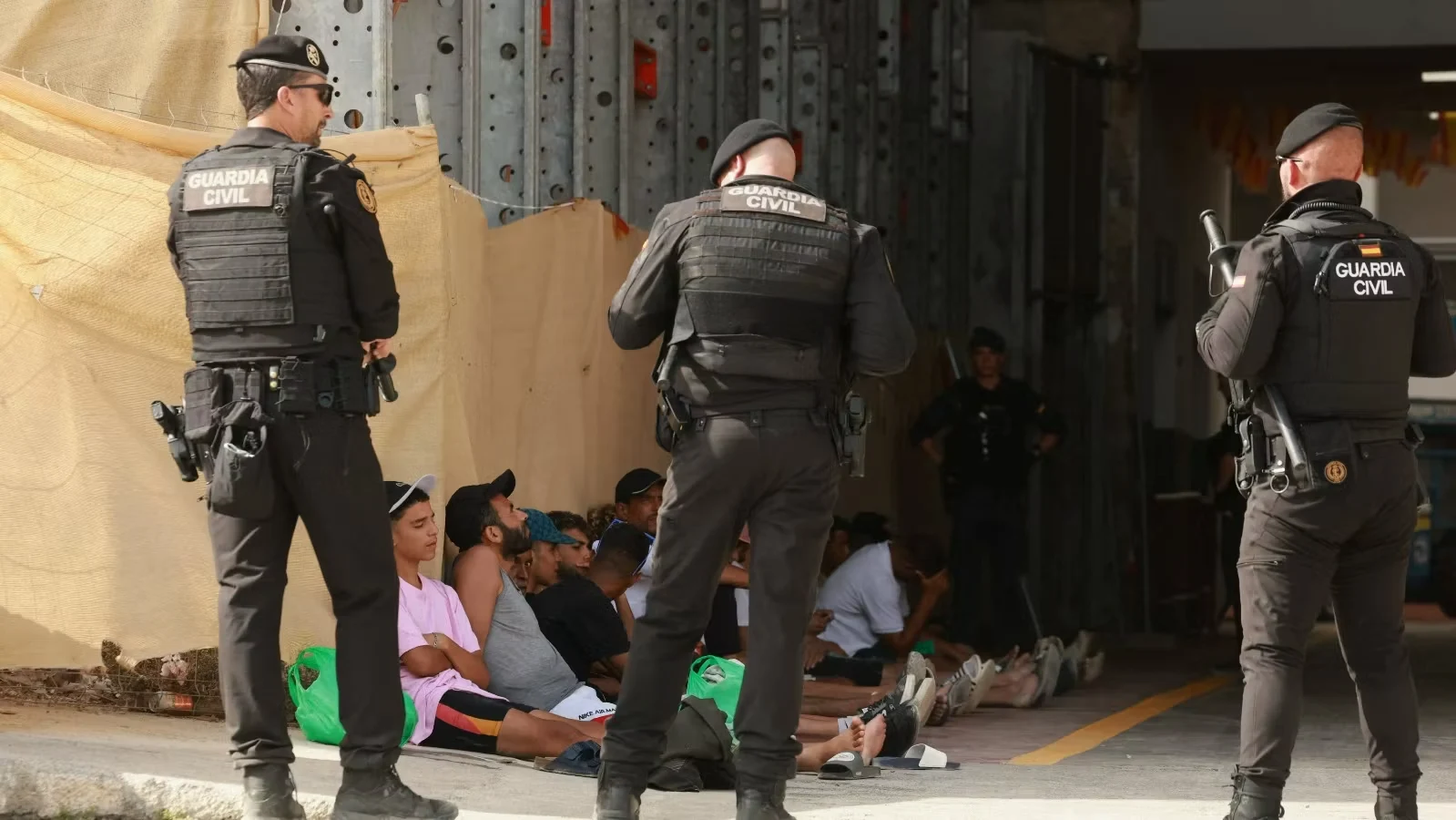
Spanish National Guard agents arresting illegal immigrants
One of the described episodes is said to have occurred during the water crossings. The report claims that Moroccan agents would have guided immigrants while they crossed the maritime border area, instead of preventing their advance towards Ceuta.
The Police also detected a sudden increase in messages on social media encouraging movement towards Ceuta. According to another report from CENIF, the volume of communications favorable to the crossing significantly increased one day before the alert issued on July 29.