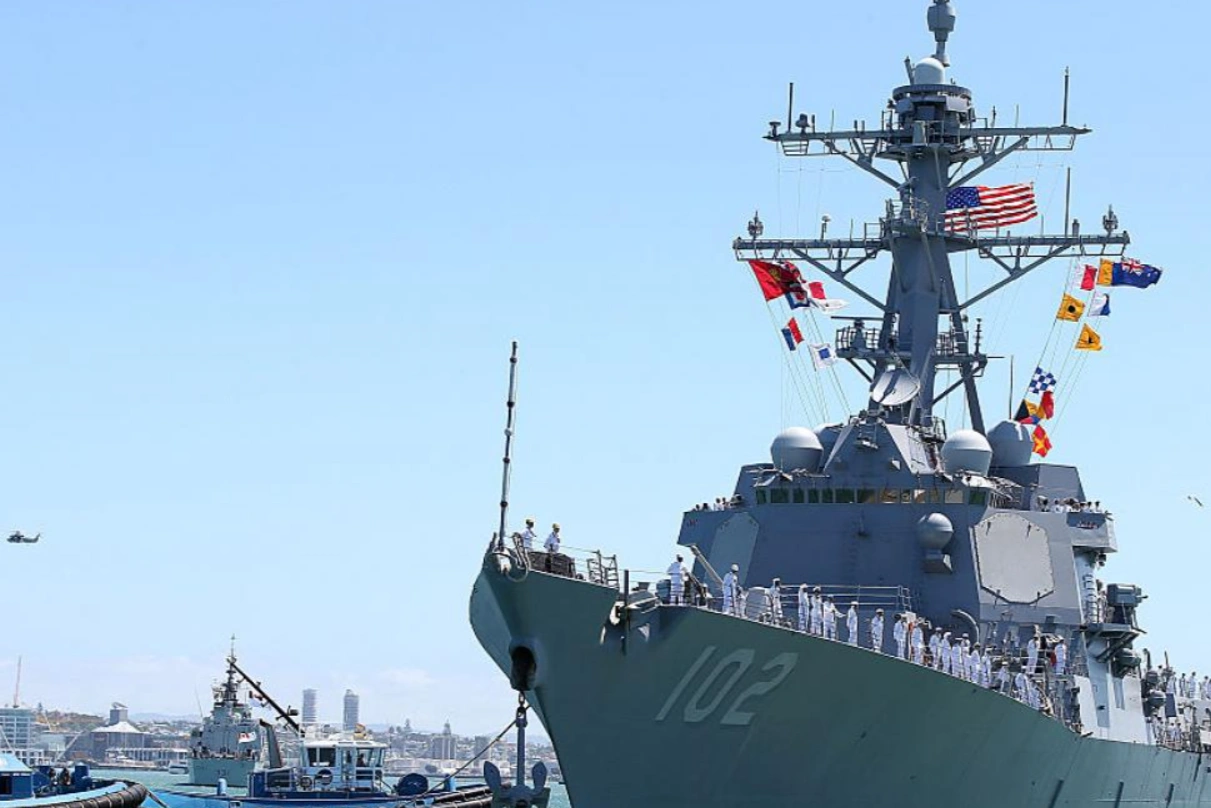
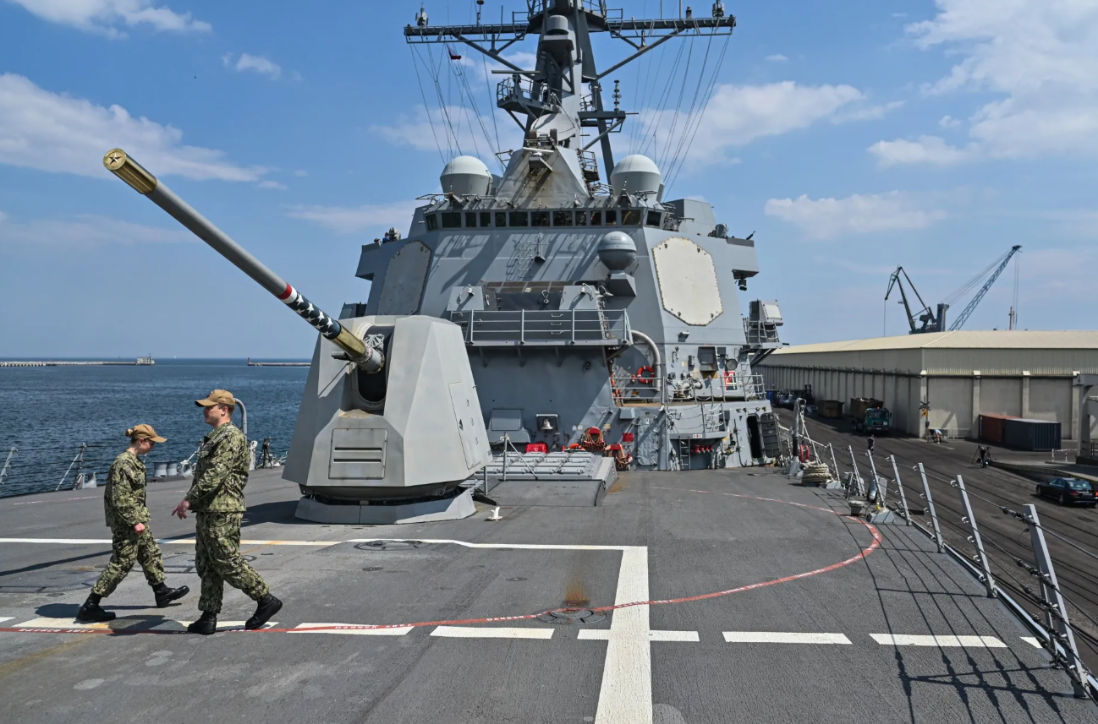
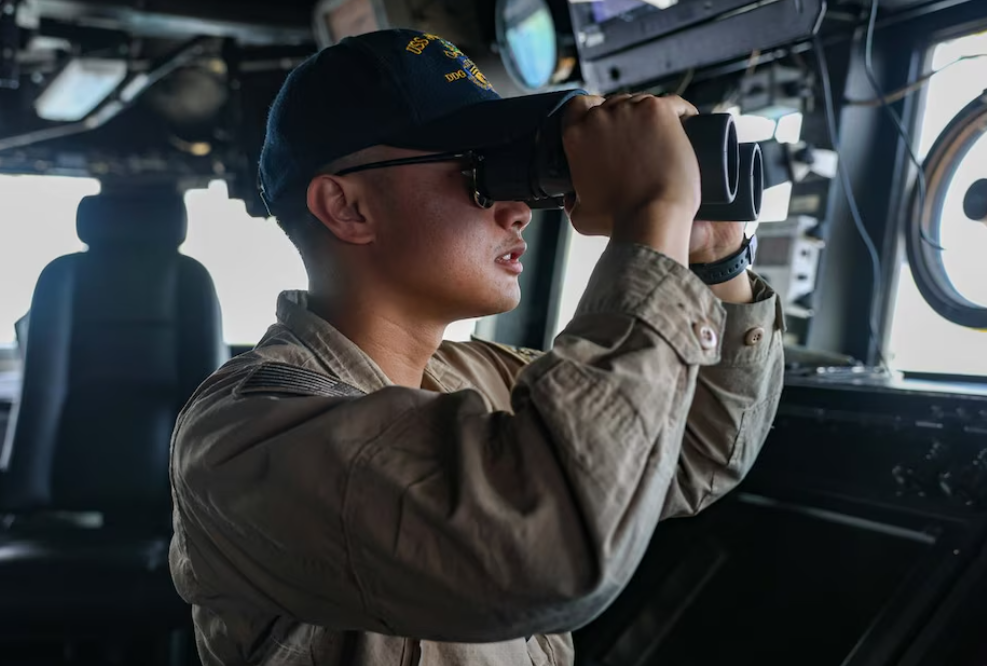
The United States intensified its military presence in the Middle East with the entry of missile destroyers into the Persian Gulf, in an operation aimed at escorting commercial ships and ensuring global energy flow in the face of the Iranian blockade.
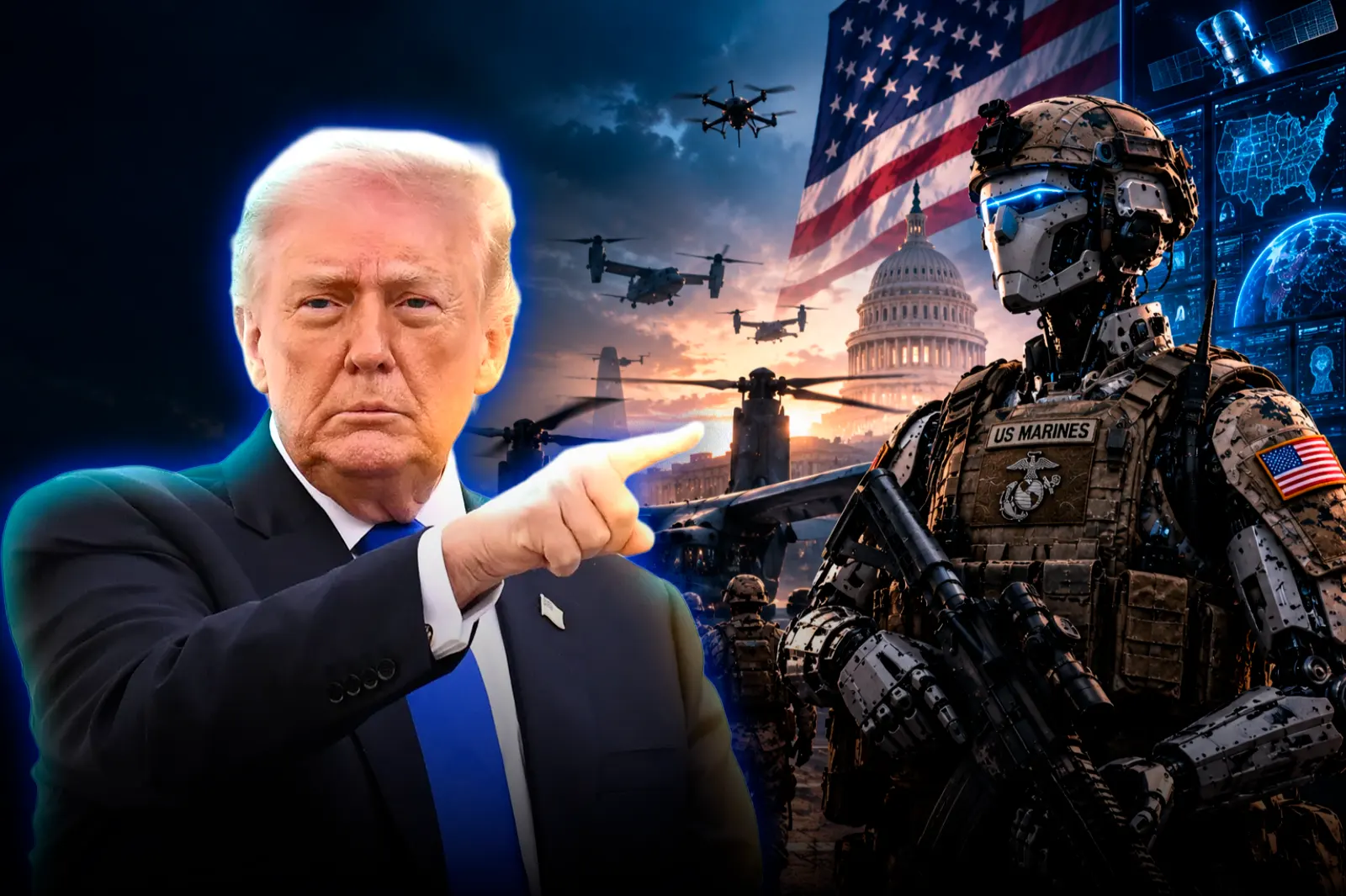
The maneuver is part of the so-called “Freedom Project”, promoted by President Donald Trump, and seeks to restore transit in the Strait of Hormuz, a key route for international trade.
The United States guarantees the passage of ships in a critical area
The United States Central Command confirmed that the destroyers crossed the strait and are already operating in the region, escorting
commercial vessels.
As the first sign of success, two American merchant ships managed to cross the strategic passage and continue their navigation “safely to their destination”, according to
official sources.
The operation includes:
More than 100 aircraft
Nearly 15,000 personnel
A fleet of guided missile destroyers
This is one of the most important deployments in the area since the beginning of the conflict
.
Escalation of tension with Iran
The US advance generated an immediate reaction from the Iranian regime, which described the operation as a provocation and
issued direct threats.
Major General Ali Abdollahi warned that any foreign force attempting to operate in the strait will be attacked, raising the risk of military escalation.
At the same time, Iranian media tried to establish that a US ship had been attacked, a version categorically denied by the Pentagon.
Attacks and alerts in the Gulf
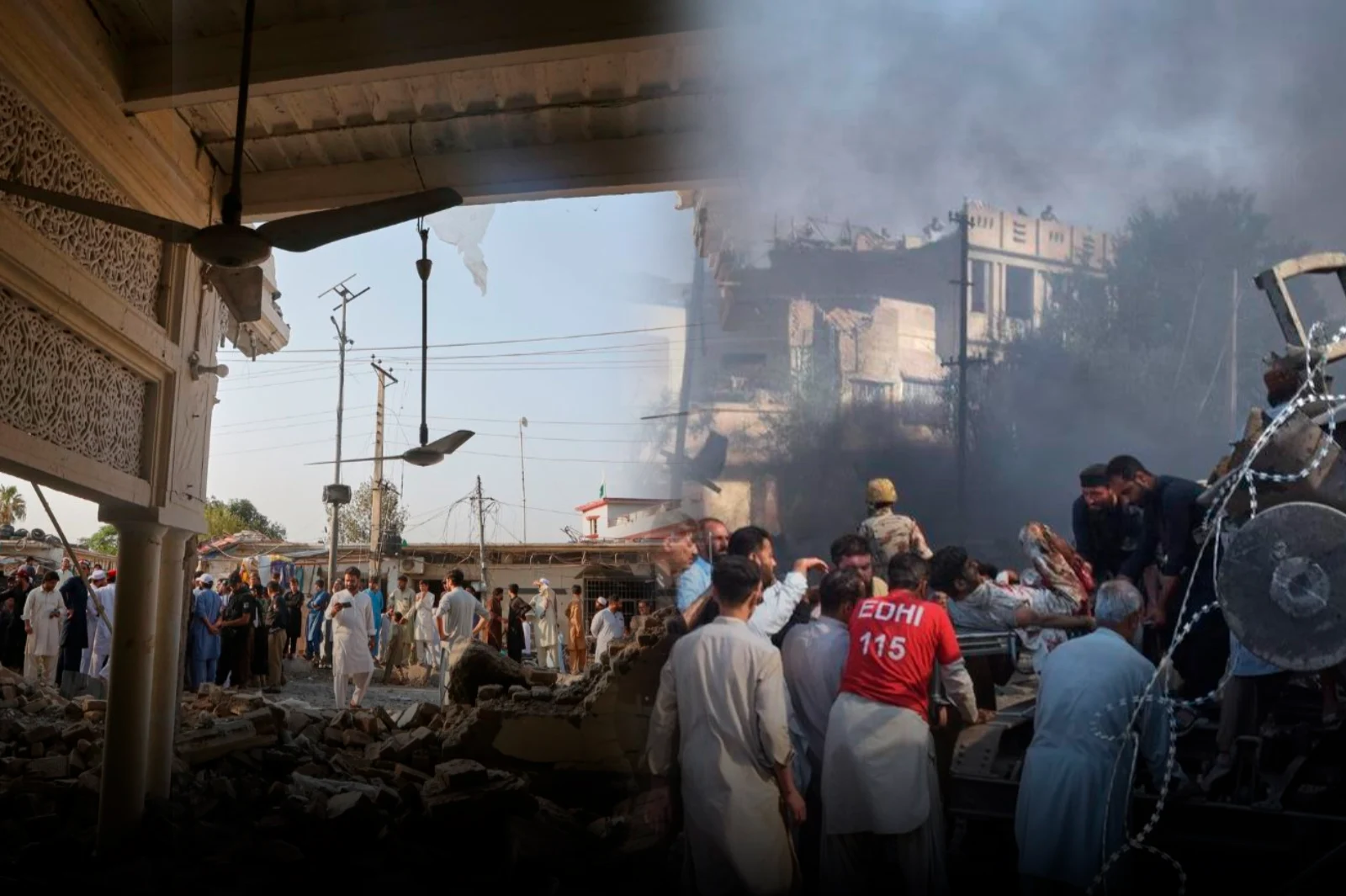
Tension quickly moved to the ground. The United Arab Emirates activated an emergency missile alert after detecting threats on its territory, while reporting a drone attack against an oil tanker
in the area.
Although no casualties were reported, the episode confirmed that the conflict is still active despite the formal ceasefire
.
Hormuz, the key point of the war The
Strait of Hormuz concentrates one of the most important energy routes on the planet, through which a significant portion of the world's oil and gas circulates
.
Iran's control over this route has allowed it to put pressure on the global economy, even in a scenario of military inferiority vis-a-vis the United States and Israel.
Economic Pressure and Trump Strategy Trump's
response combines military power and economic pressure. The US naval blockade has already forced dozens of ships to retreat and is seriously affecting Iran's export capacity
.
The objective is clear: to force Tehran to negotiate from a position of weakness and to guarantee the stability of the international energy market.
Stalled negotiations and uncertain future
Meanwhile, talks between Washington and Tehran continue without concrete progress. Iran presented a proposal to end the conflict, but the differences remain profound.
With naval deployment underway and threats crossed, the scenario in Hormuz remains one of the most sensitive points in global geopolitics.