The state will retain functions related to nuclear policy, regulation, safety, and safeguards. The scheme is contemplated within Law 24.804 on Nuclear Activity, which maintains the definition of nuclear policy under the national state while also allowing for public and private participation in the productive and commercial activities of the sector.
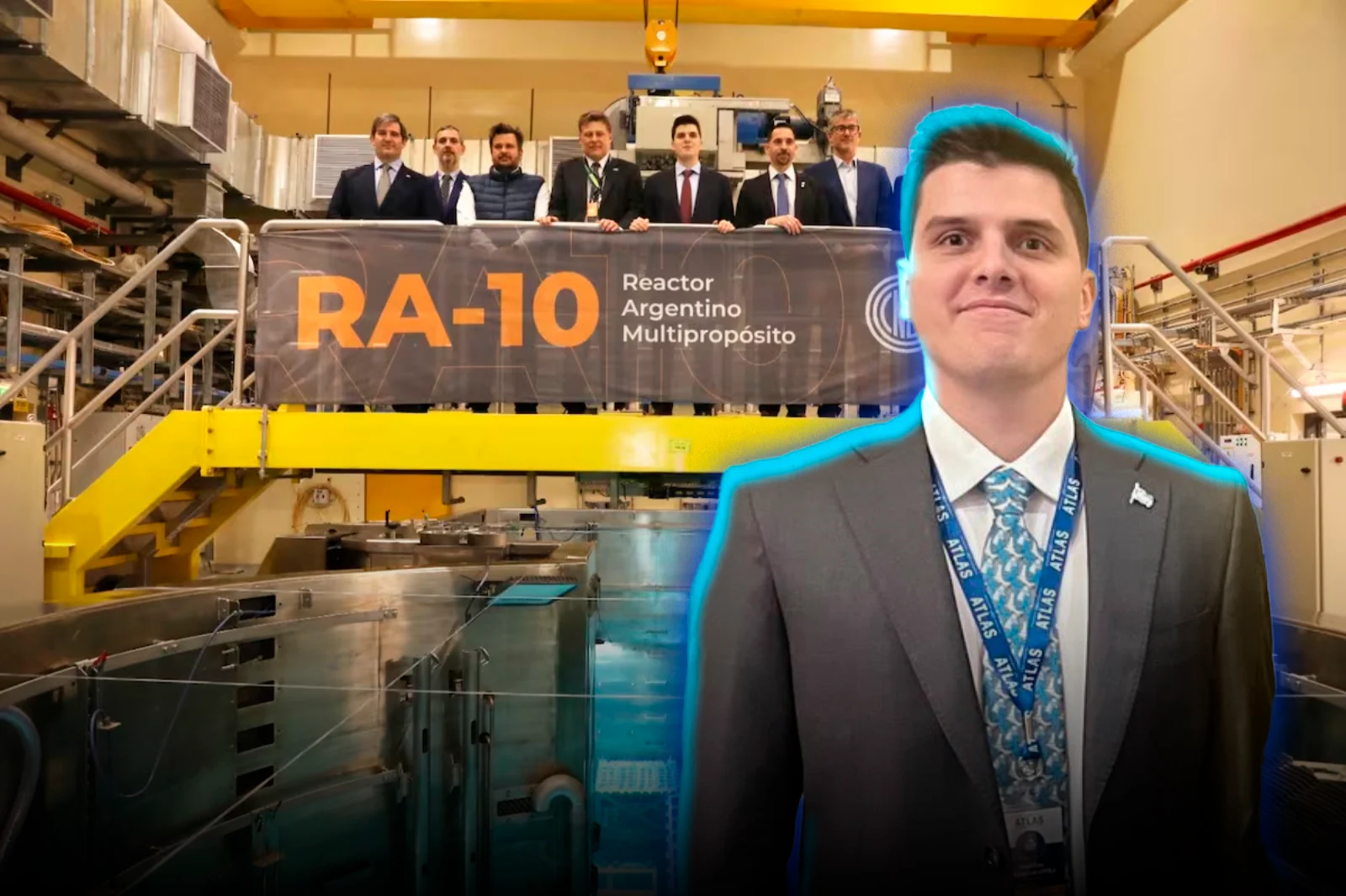
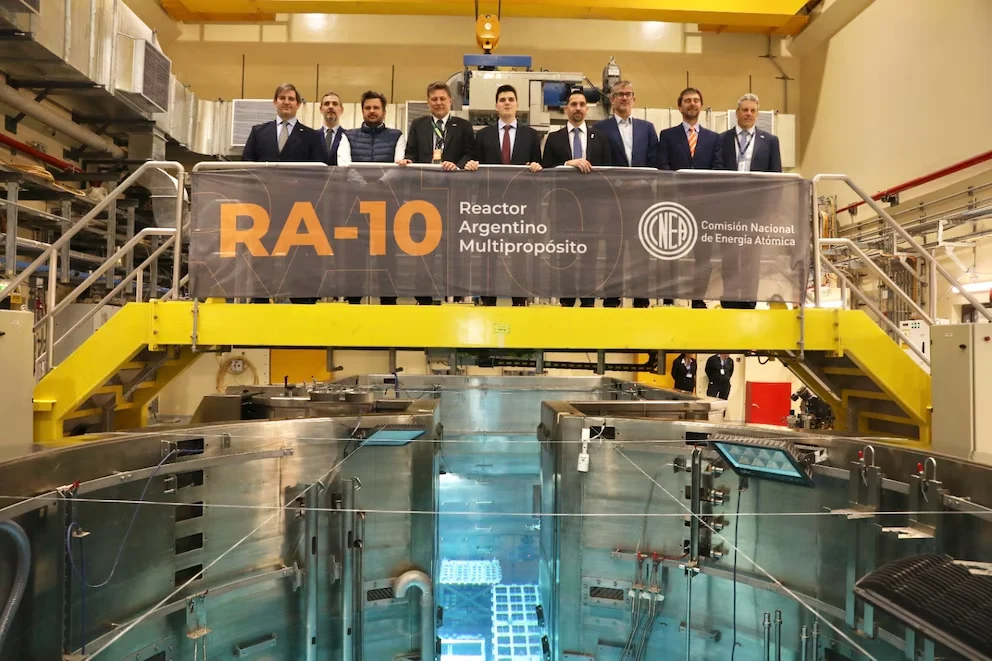
The national government confirmed that the Argentine Multipurpose Reactor RA-10 will begin operations in 2027, after the current administration revived a project that was without funding and had various construction fronts paralyzed. The Secretary of Nuclear Affairs, Federico Ramos Napoli, announced that the commissioning process will start before the end of 2026, aiming to complete this stage during the first months of the following year.
The announcement was made at the Ezeiza Atomic Center, where a scheme was also presented to incorporate private capital to finance the construction of the radioisotope production plant associated with the reactor. The RA-10 constitutes the largest project developed by the National Atomic Energy Commission (CNEA) in recent decades. The agency owns the technology and is responsible for the project, while INVAP participates in management and the provision of specialized engineering services.
Argentine Multipurpose Reactor (RA-10)
When the current national administration began, the assembly of the equipment and systems was 52% complete, while contracts and various work fronts remained paralyzed due to lack of funding. Following the revival driven by the government, the civil works and engineering were completed and assembly reached 96%. Currently, about 530 people are working on the project and, once construction is finished, the stages corresponding to licensing and commissioning will begin.
However, the completion of the reactor is not sufficient to commercially develop radioisotopes, as a specific plant is required to process the irradiated materials from the RA-10. Due to the previously existing lack of funding, the Secretary of Nuclear Affairs defined a model that will allow for private investment to develop and construct that facility, in addition to participating in the associated productive and commercial activities.
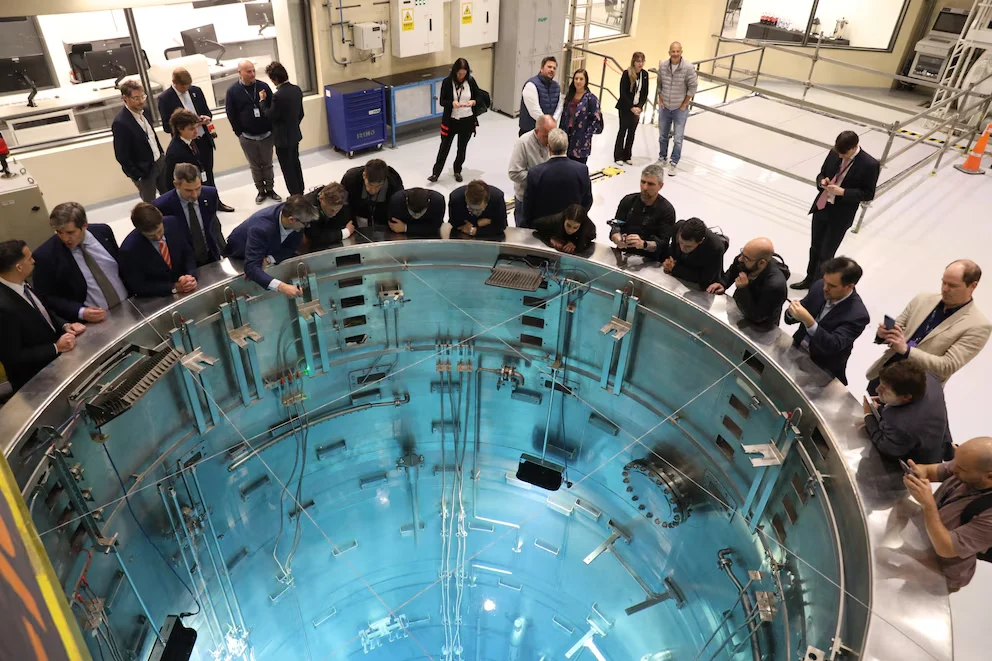
With a power of 30 MW, the RA-10 will not be intended for electricity generation, but rather to use the neutrons produced by nuclear fission to develop products and services aimed at health, industry, science, and technology. Among its main functions will be the production of radioisotopes used in nuclear medicine, such as molybdenum-99, lutetium-177, and iridium-192.
Argentine Multipurpose Reactor (RA-10)
According to official projections, its capacity will allow for the production of approximately 20% of the current global market for certain radioisotopes, positioning Argentina among the leading international producers. The reactor will also enable the manufacture of doped silicon, used in high-power semiconductors, as well as the development of material testing, irradiations, and scientific and industrial analyses.
The projected capacity will exceed domestic demand, so the project will supply the Argentine health system with national production and export the surplus, with potential to generate foreign currency and highly qualified employment in a international market characterized by few producers and high technological barriers.