The Daniel Ortega regime was once again at the center of the controversy after granting a new mining concession to a Chinese-owned company, in a decision that reinforces its alignment with Beijing and openly defies the sanctions imposed by the United States.
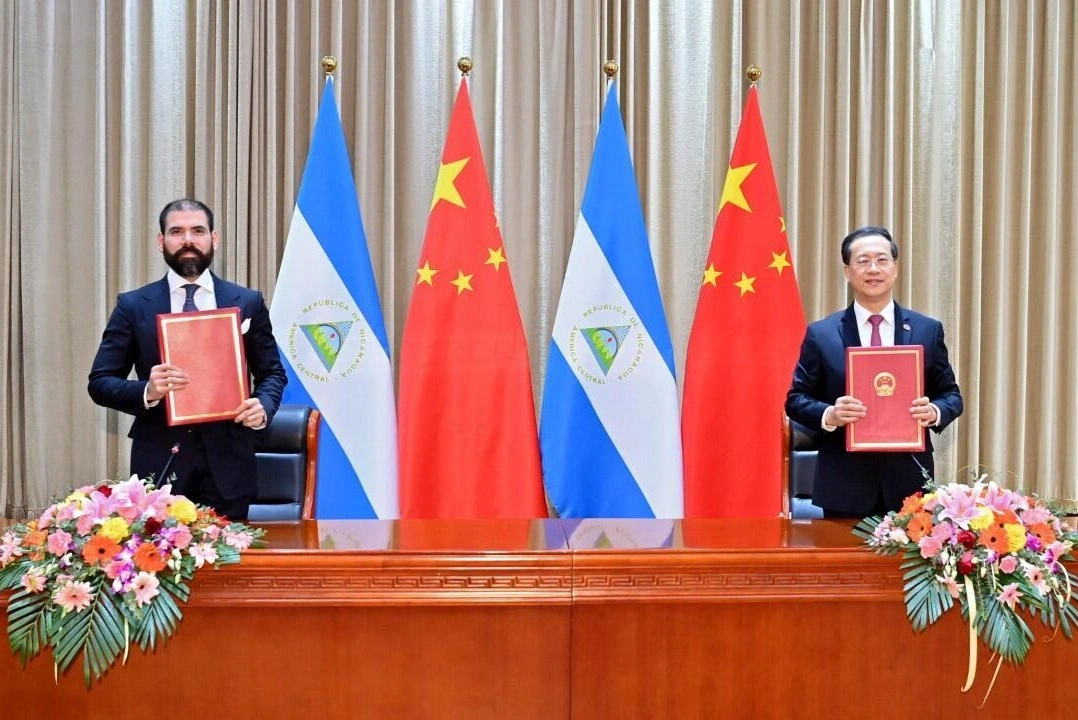
The license was granted to the company Zhongwei Mining Group S.A., which will operate on a new lot intended for the exploitation of mineral resources. This movement adds to a sustained policy in recent years, in which the Nicaraguan government has handed over large areas of the national territory to Chinese companies
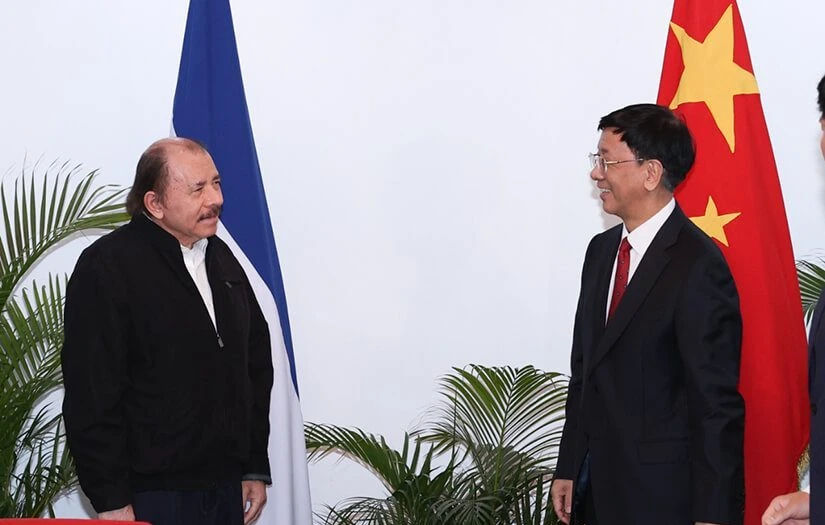
. The dictator Daniel Ortega with the Chinese ambassador Qu Yuhui According to data from independent organizations, between 2021 and 2026, the regime granted concessions in75 lots to 17 Chinese companies, covering more than 1 million hectares, representing more than 8.5% of the country's territory.
This expansion has been strongly questioned by the fact that international Chinese companies have a direct connection with the Chinese Communist Party
.
One of the most critical points is the profile of these companies. Reports indicate that many of them are newly created, have no background in the mining sector and do not present clear information about their investments or operational capacity. This fuels suspicion about the existence of non-transparent structures linked to the management of strategic resources
.
The decision also comes in a context of increasing international pressure. In recent days, the United States has sanctioned several companies in the Nicaraguan mining sector, accusing them of channeling resources that strengthen the regime and allow it to sustain its power structure. Despite this, Managua continues to deepen its relationship with China, consolidating an economic model that is increasingly dependent on
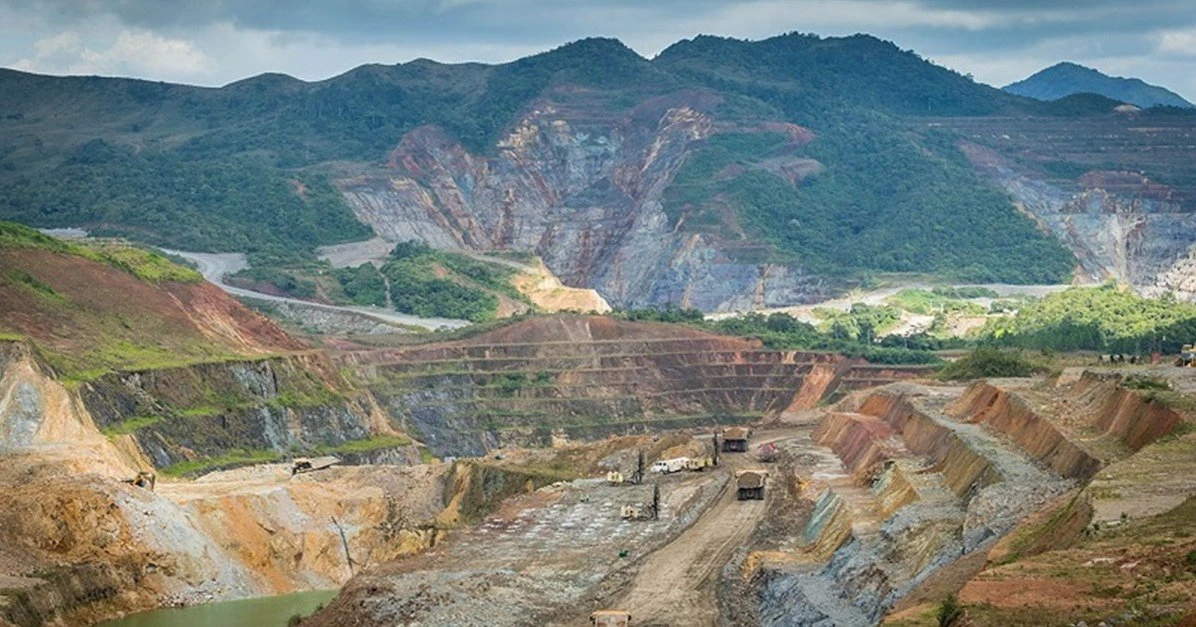
that country. Mining area in Nicaragua
From a critical perspective, this scheme raises serious questions about Nicaragua's economic sovereignty. The massive delivery of concessions to the Chinese Communist Party, under unclear conditions, could compromise control over key resources and limit real benefits for the population
.
In this context, the new concession does not appear as an isolated event, but as part of a broader strategy of the regime: consolidating alliances with non-Western powers to sustain themselves politically, even at the cost of increasing external dependence and deepening questions about its management model.