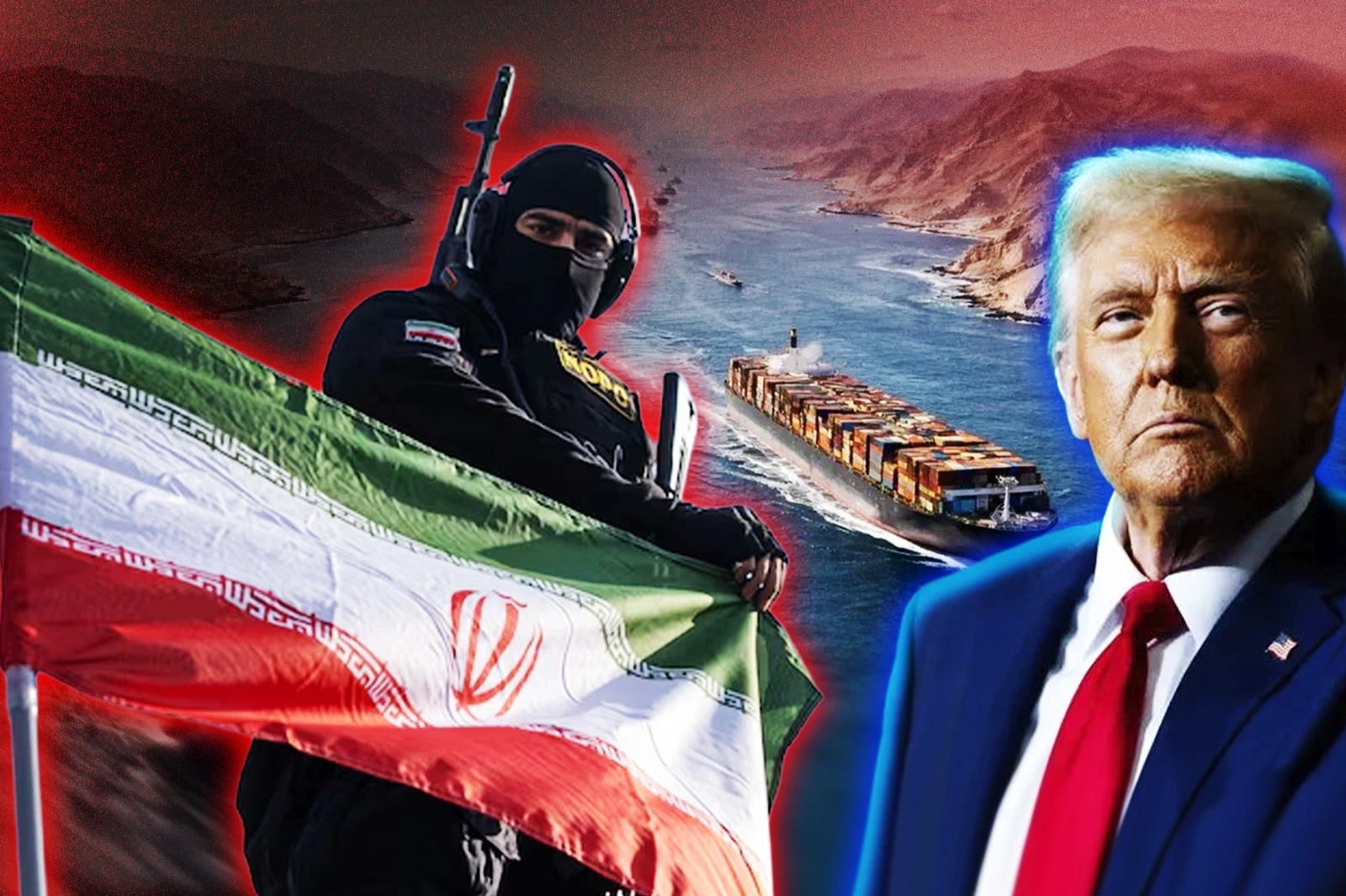
The Iranian regime has tightened its position in the Strait of Hormuz crisis by assuring that it is not possible to fully reopen this strategic route due to what it qualifies as ceasefire violations by the United States and Israel, in a context of growing military tension and diplomatic stalemate.
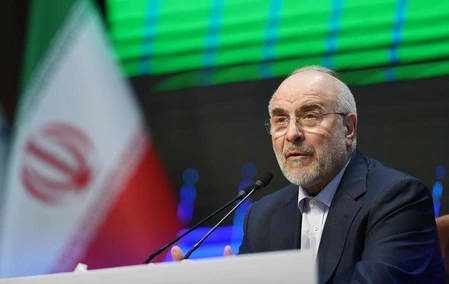
The statements were made by the president of the Iranian parliament, Mohammad Bagher Ghalibaf, who accused Washington of imposing a naval blockade on Iranian ports, calling this measure a way of “taking the global economy hostage”. According to the leader, US actions, together with what he described as Israeli “provocations”, have prevented any progress towards the normalization of maritime traffic in the
area.
However, in parallel with these accusations, Iran has been the protagonist of new incidents in the strait, one of the most important corridors for transporting oil and gas worldwide. Iranian authorities confirmed the seizure of two commercial vessels, MSC Francesca and Epaminondas, on the grounds of carrying out inspections. Both ships reported damage after episodes of violence in the area and remain practically immobile, according to maritime monitoring data
.
A third ship, the Euphoria, was also attacked, although it later managed to move to waters near the United Arab Emirates without reporting damage or casualties. The participation of vessels of different nationalities, including a Greek-owned ship, has raised international concern about the risk of a major escalation directly affecting
global trade. The president of the Iranian parliament harshly criticized the actions of the United States in the Strait of Hormuz
Meanwhile, Iranian President Masoud Pezeshkian maintained that his country remains open to negotiations, although he warned that external threats, blockade and non-compliance with commitments represent significant obstacles. His statements contrast with the situation on the ground, where military actions and restrictions on maritime traffic complicate any diplomatic breakthrough
.
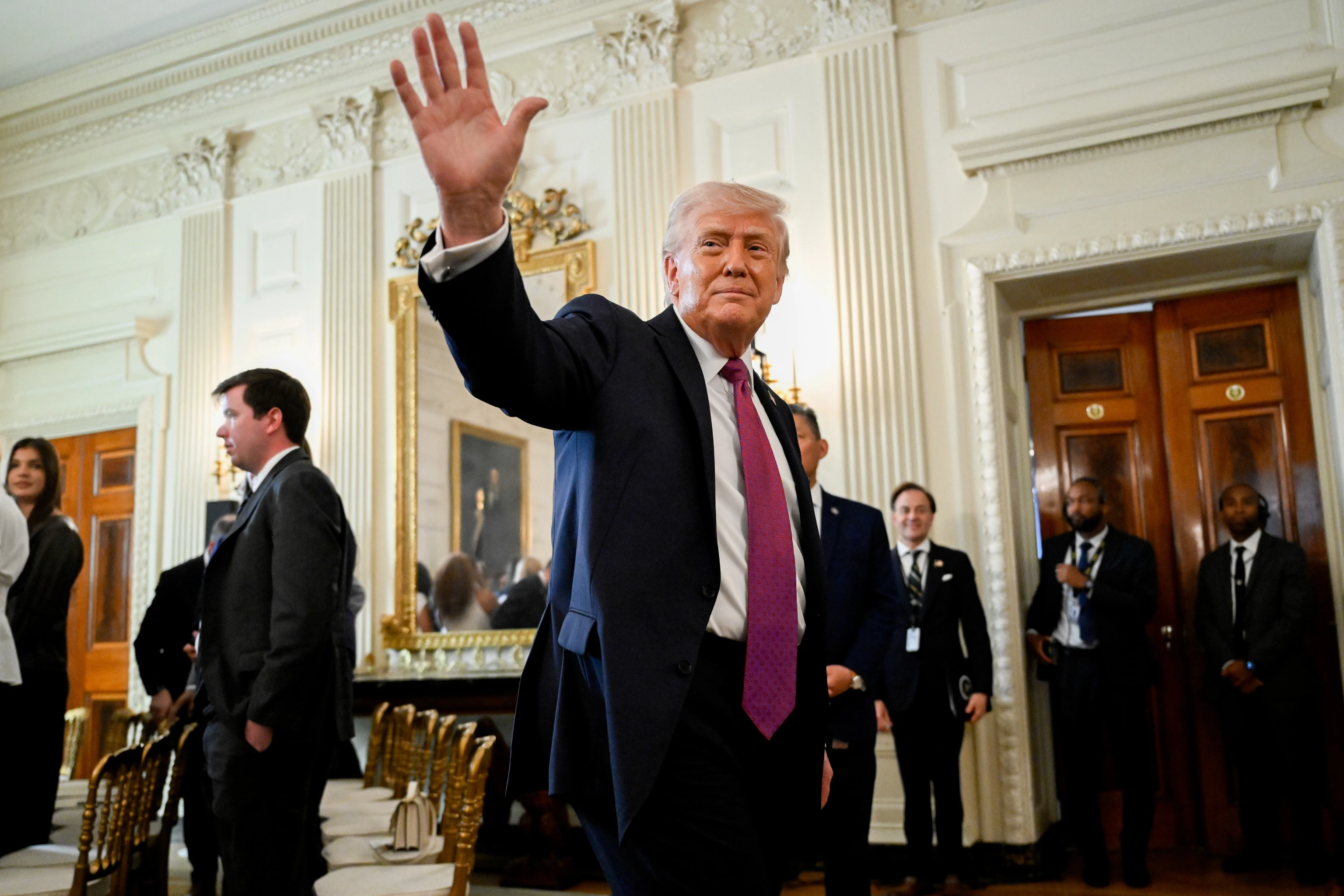
On the American side, Vice President JD Vance, who was supposed to lead a new round of talks, has not yet traveled, reflecting the fragility of the process. Meanwhile, President Donald Trump announced an indefinite extension of the ceasefire that was due to expire this week, without setting a new deadline or detailing additional conditions
.
The combination of incidents at sea and the lack of diplomatic progress has generated uncertainty about the future of the strait, through which a significant proportion of the world's energy supply transits. Experts warn that any prolonged interruption could have immediate effects on oil prices and international supply chains
. President Trump announced the extension of the ceasefire in the last few hours
In this scenario, the actions of the Iranian terrorist regime have been severely criticized for its contradiction between diplomatic discourse and actions on the ground. The seizure of foreign ships and reported attacks raise questions about respect for international navigation standards and reinforce the perception of a strategy based on
geopolitical pressure.
As clashes continue and uncertainty remains over negotiations, the situation in the Strait of Hormuz remains one of the main sources of global tension, with implications that transcend the region and directly affect international economic stability.