Between January and July 2026, regional exports reached US$5.757 billion and 4.37 million tons, exceeding the 2013 record by 6.3% and marking the highest level in 22 years
The firm course towards economic freedom led by the administration of President Javier Milei and the elimination of state suffocation on regional economies have unleashed unprecedented commercial performance in the country. According to official data from the Secretariat of Agriculture, prepared based on Indec, between January and July 2026, exports from the sector reached a historic record and positioned themselves at the highest level in the last 22 years, both in value and volume.
In global figures, a physical volume of 4,377,259 tons (equivalent to 4.37 million tons) was exported for a cumulative value of US$5757 million. Year-on-year, the dollar amount grew by 12% and the physical volume advanced by 6.5%, setting the average price at US$1315 per ton (a 5.2% increase over the previous year).
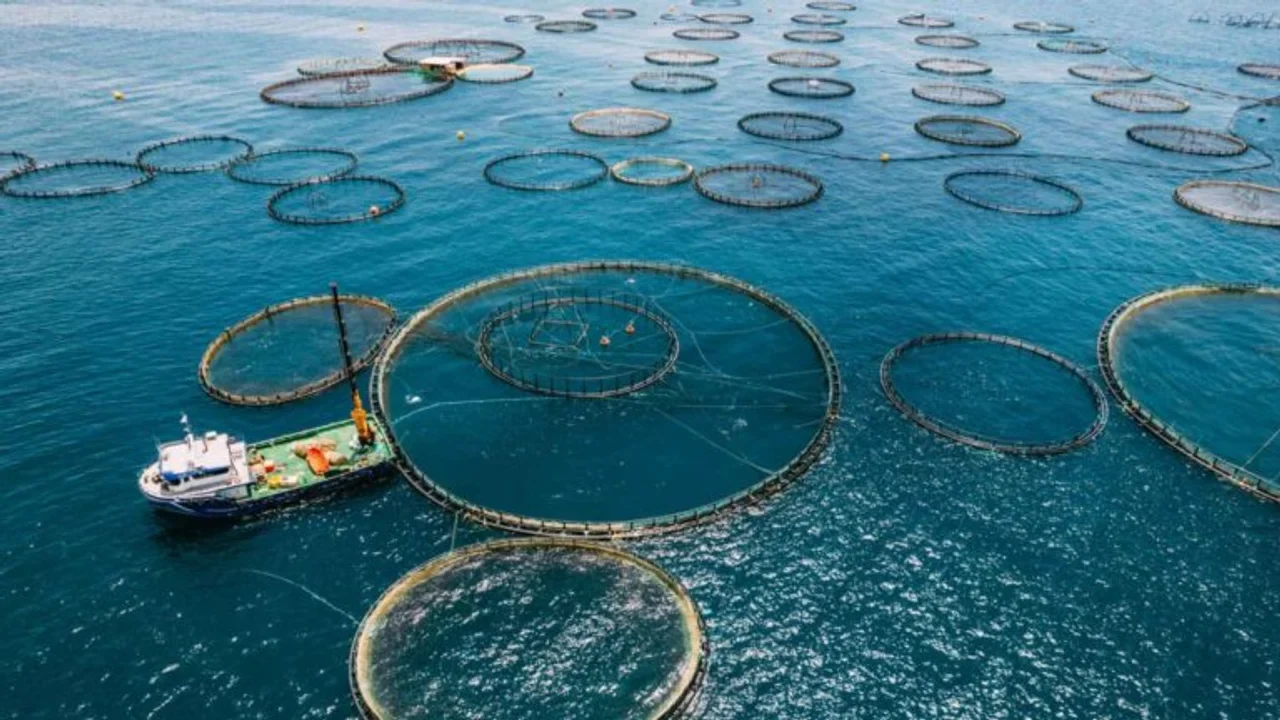
Aquaculture
According to the Undersecretariat of Regional Economies and Small and Medium Producers, this FOB value is extraordinary as it represents “a value that triples that obtained by the rest of the agroindustry”. The previous maximum record for this period was in 2013, with US$5414 million; the current figure exceeds that peak by 6.3%, injecting 615 million additional dollars into the national economy.
Entering into specific details, various agro-industrial complexes recorded their best accumulated value for January-July since 2004:
Aquaculture and fishing: US$1379.5 million
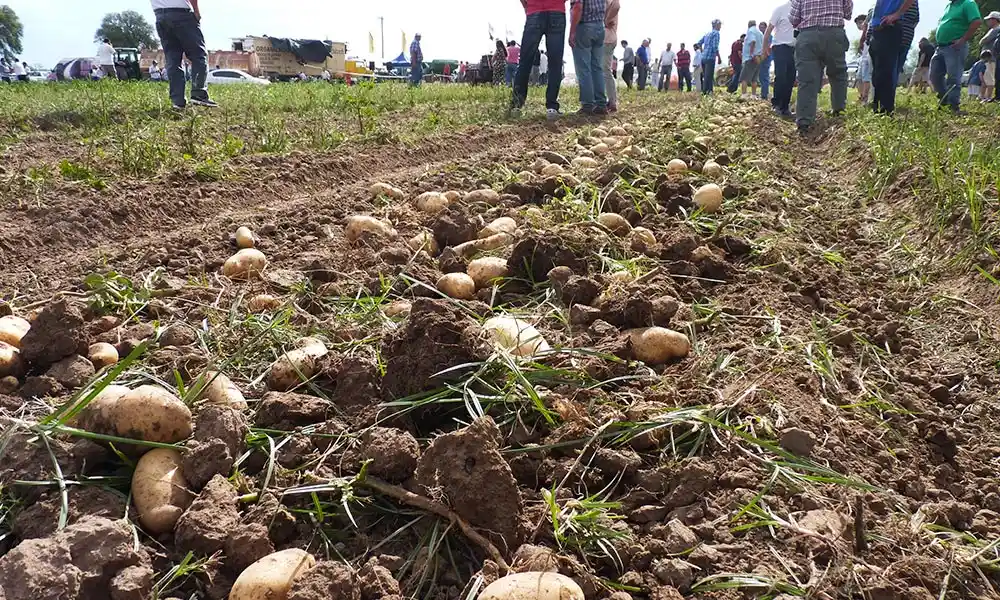
Heavy vegetables: US$385.8 million
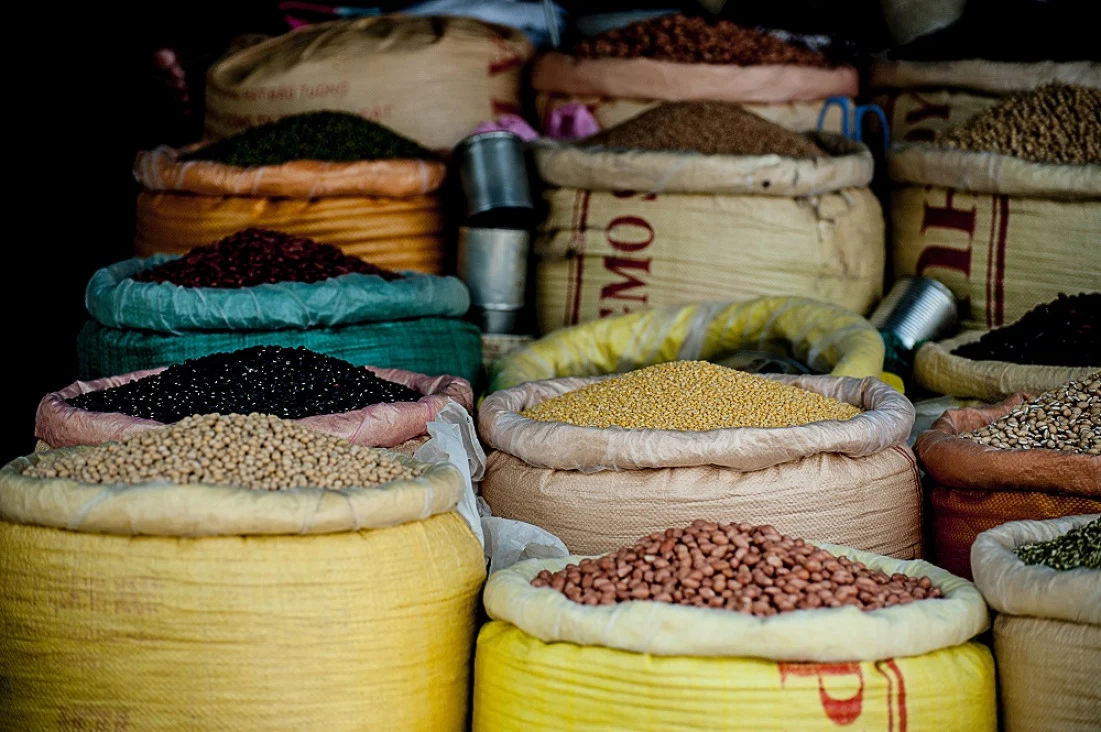
Legumes: US$285.9 million
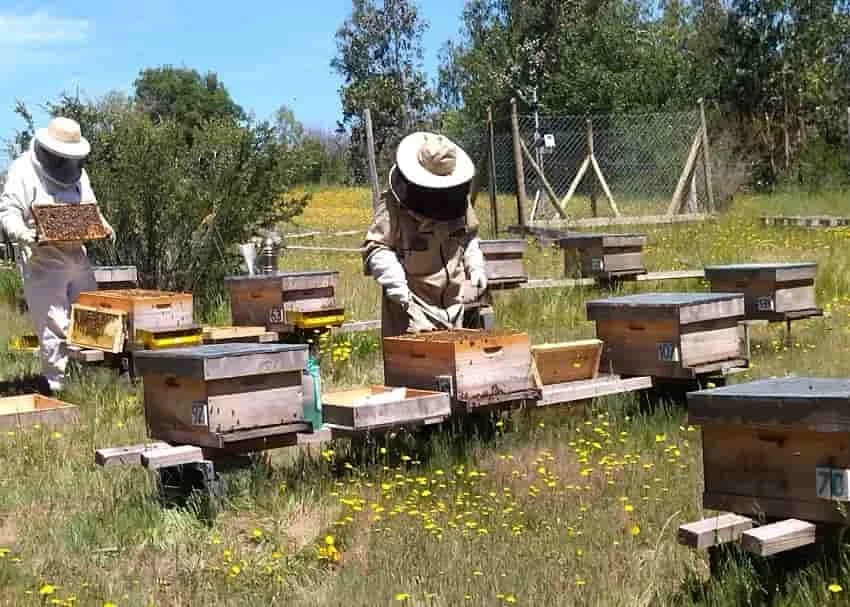
Beekeeping: US$202.6 million
Aromatic plants, spices, and others: US$63.7 million
Heavy vegetables
The products consolidated in three commercial powers: Brazil, United States, and China. From the agricultural portfolio, they emphasized: “This performance reaffirms that with clear rules, greater competitiveness, and openness to markets, regional productions consolidate as a fundamental engine to build a future of stability, genuine job creation, and federal progress”.
At the closing of the Agribusiness Forum of AmCham, the Chief of Cabinet of Ministers of the Nation, Diego Santilli, reaffirmed the decision to eliminate export duties within a program to reduce fiscal pressure for 2027 and 2028, recalling that in January the schedule for reductions for soybeans, corn, sunflower, and sorghum begins.
Diego Santilli stated: “It is clear what the President's vision is. The President has a strong vision regarding the Argentine production process: to relieve the pressure on producers, on the country, to lower taxes”. In contrast to the previous administration—which created or increased 32 taxes—he highlighted the reductions already made: soybeans from 33 to 24, sunflower, barley, wheat, regional economies, and Personal Property Tax.
Legumes
He also linked the definitive elimination of withholdings to the takeoff of mining (driven by the incentive regime for large investments), oil, and gas (oil & gas). In this regard, he stated: “The important thing about this is that the other engines of the economy have been ignited”, and added: “The engine of mining, the engine of oil & gas, will push, it will make this vision that the President has to eliminate withholdings, which is a clear vision he has, and he has already set a program for 2027, 2028, come with much more strength if all these engines take off”.
To these engines is added the knowledge economy, anticipating exports of US$10 billion this year. Diego Santilli diagnosed: “We had a blackout with the exchange controls and the gap”, and emphasized: “We should be like Poland. It exports US$40 billion because it has the same university conditions and, if you want, human and educational resources as ours, a similar population, and contributes US$40 billion. That is Argentina's aspirational goal in the knowledge industry”.
Beekeeping
In the realm of external trade, he praised the strategic alliance with the West and the United States, achieving greater openness for beef: “That alignment with the West leads to a very positive process for the Argentine economy, for its production, and for its export”.
Finally, he revealed the work with provincial leaders after the balance of 2025: “We are building a path with several governors that has to do with consolidating a process that President Milei initiated, which was very positive in 2025, but which we want to expand”.
Milei and Santilli
He added: “Today the market demands us to consolidate the transformation process. And that implies consolidating, if you will, your electoral strength, but expanding it. And we are doing work with many governors. I will not name names because otherwise we start with speculation, but rest assured that this will happen. That path is consolidating us in the change process and we will be able to see the Argentina that we all dream of. But that Argentina must not be a temporary Argentina”.
He closed emphatically about the reelection of Javier Milei: “I am convinced, and I have a conviction, that the President will be the first non-Peronist president to be reelected. That is a conviction I have. It is not a wishful expression, it is a conviction”