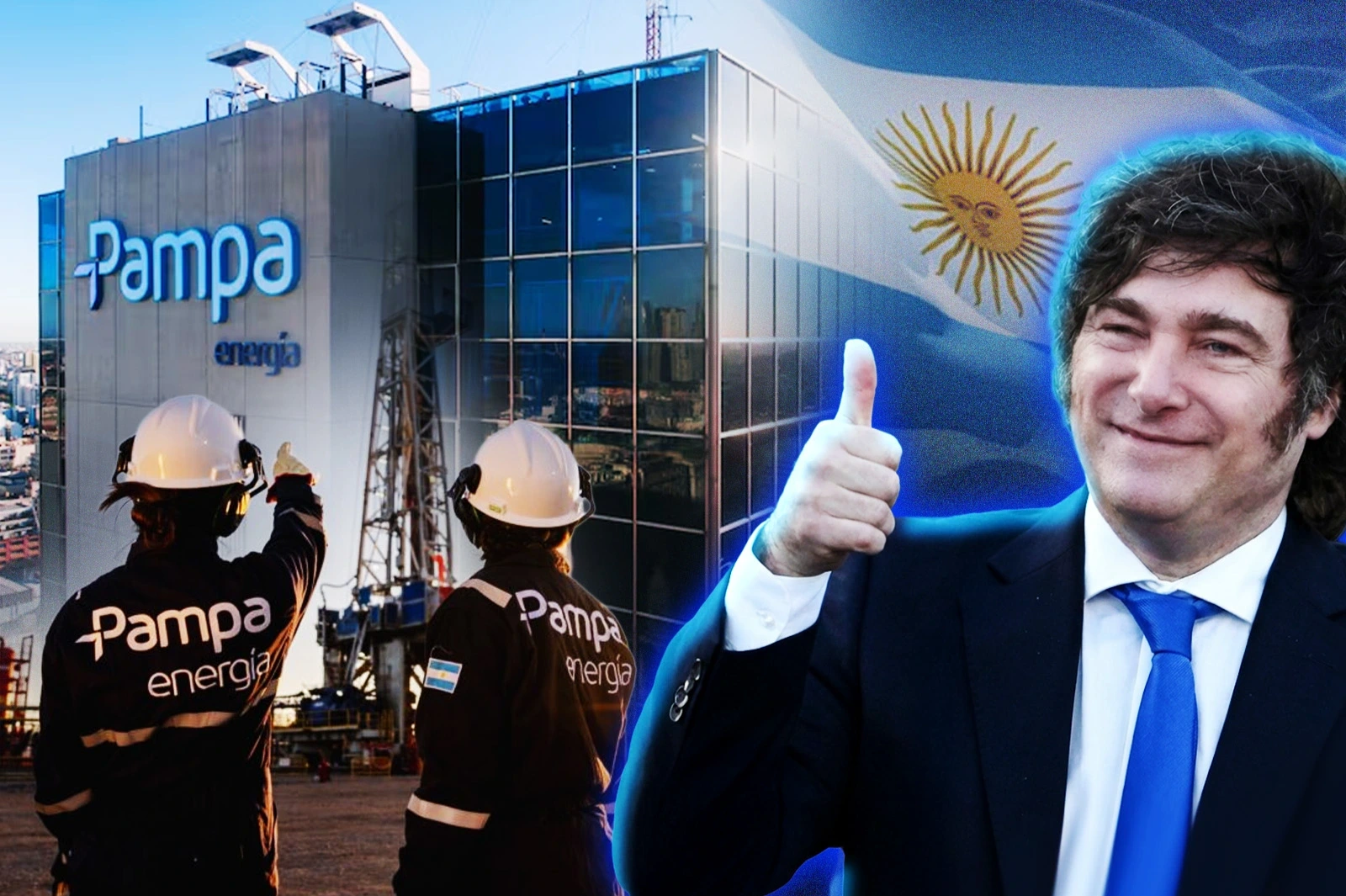

In a context of economic reconfiguration and openness to large investments, Pampa Energía, the company led by Marcelo Mindlin, submitted its application to enter the Incentive Regime for Large Investments (RIGI) with an ambitious industrial project that promises to transform the Argentine energy and agro-industrial map . This is “Fértil Pampa”, an initiative that will demand USD 2.4 billion for fertilizer production at the Bahía Blanca Industrial Center, with the objective of converting Vaca Muerta gas into 2.1 million tons of urea per year starting in 2030. The project aims directly to replace imports, strengthen domestic agriculture and supply growing regional demand, as it became known
.The magnitude of the investment includes potential funding from international organizations such as the Inter-American Development Bank (IDB) and negotiations with the International Finance Corporation (IFC). According to a report from the latter, the complex will take advantage of its strategic location: proximity to gas pipelines, high voltage lines, water infrastructure and a deepwater port that will facilitate both export and
internal distribution.
The economic impact will be significant: it is estimated that the plant will generate USD 890 million annually in foreign exchange, with 60% of production destined for exports, mainly to Brazil, which has a strong urea deficit. Currently, Argentina is heavily dependent on imports, with Profertil as the only local producer, recently controlled mostly by Adecoagro and 10% by the Association of Argentine Cooperatives
(ACA).In terms of employment, Fértil Pampa S.A.U., wholly owned by Pampa Energía, projects the creation of 3,500 jobs during construction and 300 permanent jobs during the operational phase. The company thus seeks to industrialize resources, generate foreign exchange and develop local suppliers, although it warns that success will depend on macroeconomic stability and the competitiveness of energy prices
.Energy development is a central pillar of the project. In 2025, Pampa Energía achieved a record production of 17.6 million cubic meters of gas per day and plans to increase it by an additional 10 million over the next three years, allowing it to directly supply the plant using the surplus from the Neuquén basin