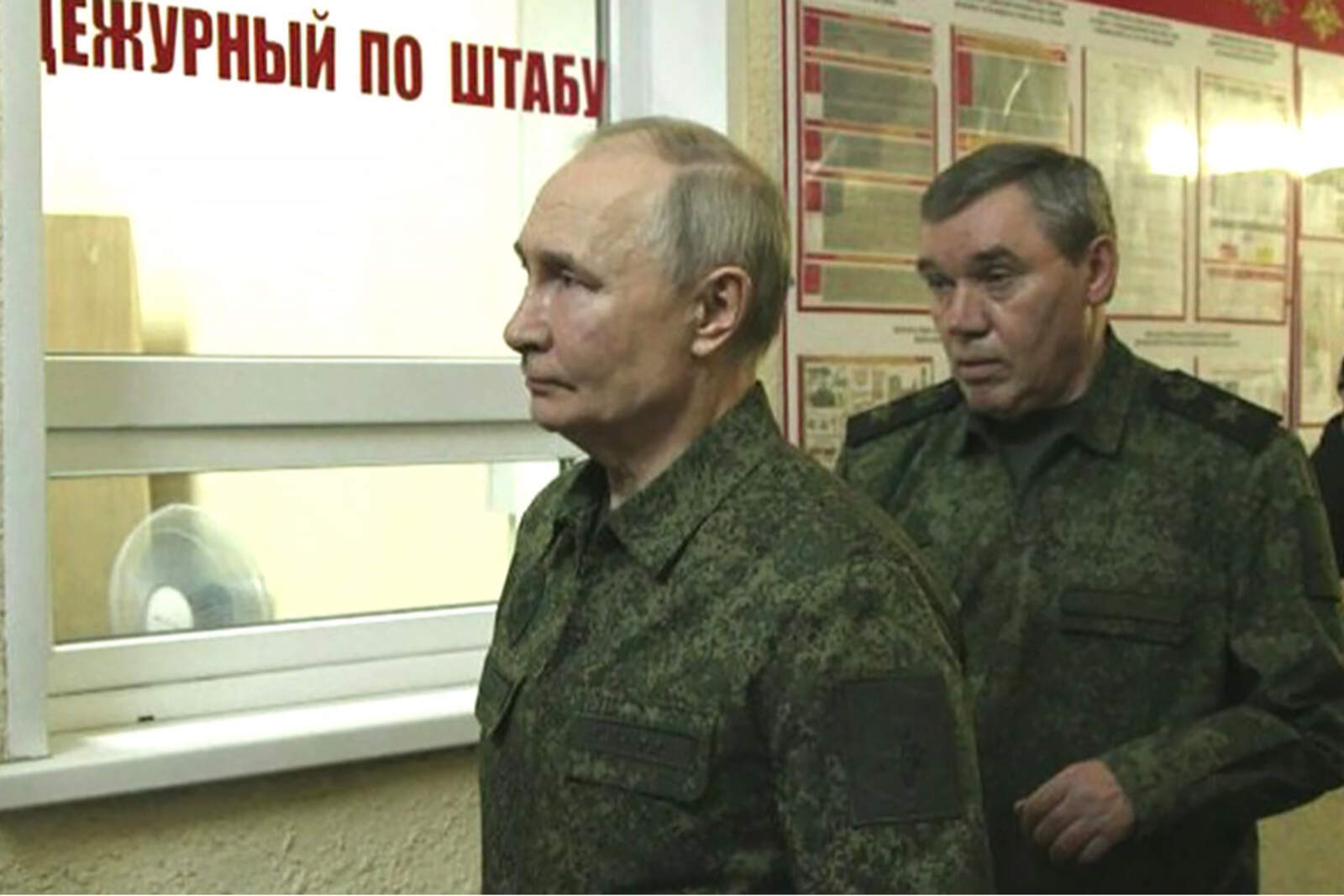

After several members of the Russian government expressed disagreement with the possibility of a ceasefire in Ukraine, the Kremlin announced that it had regained the territory of Kursk. This occurred amid intense negotiations with U.S. officials to bring peace to Europe.
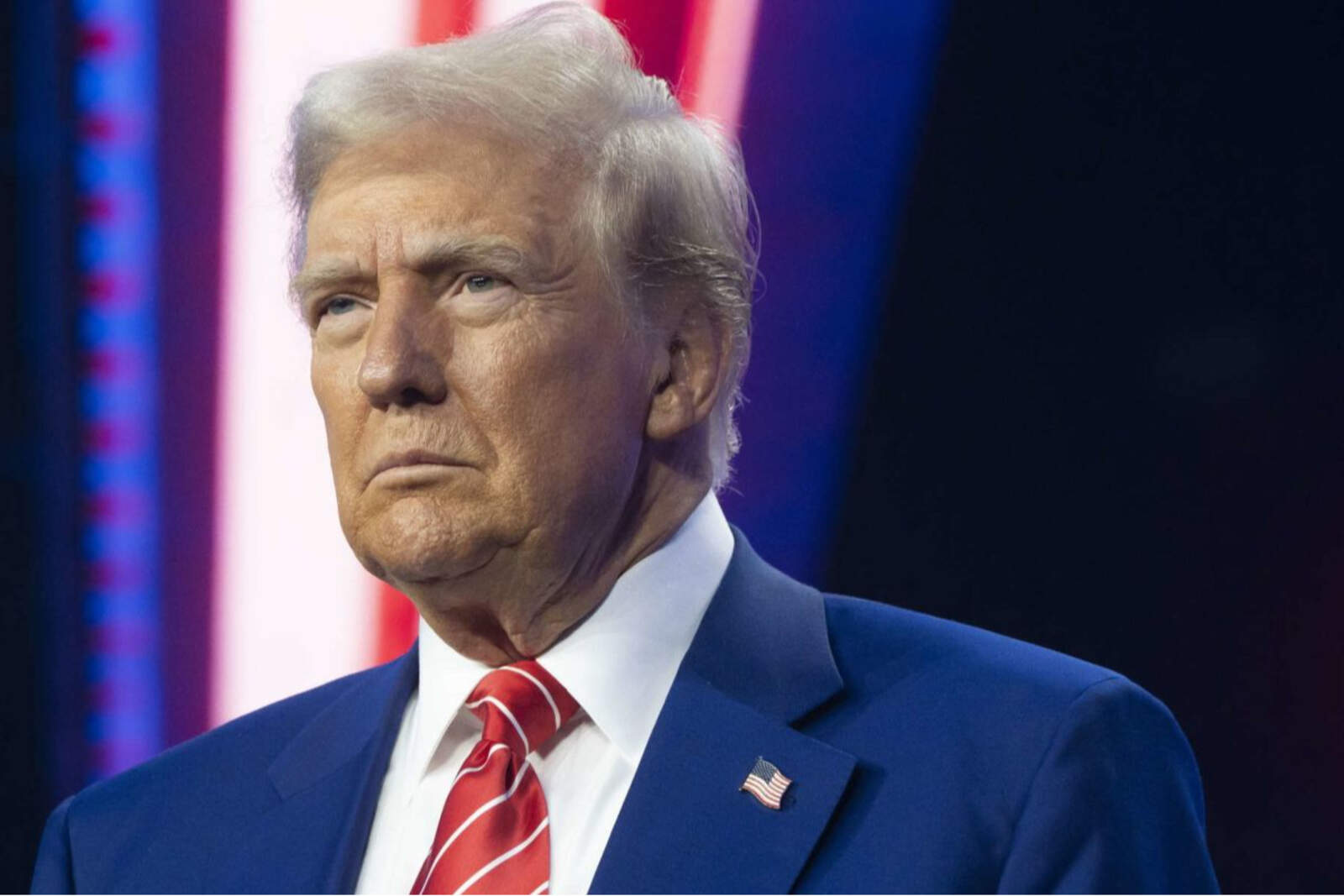
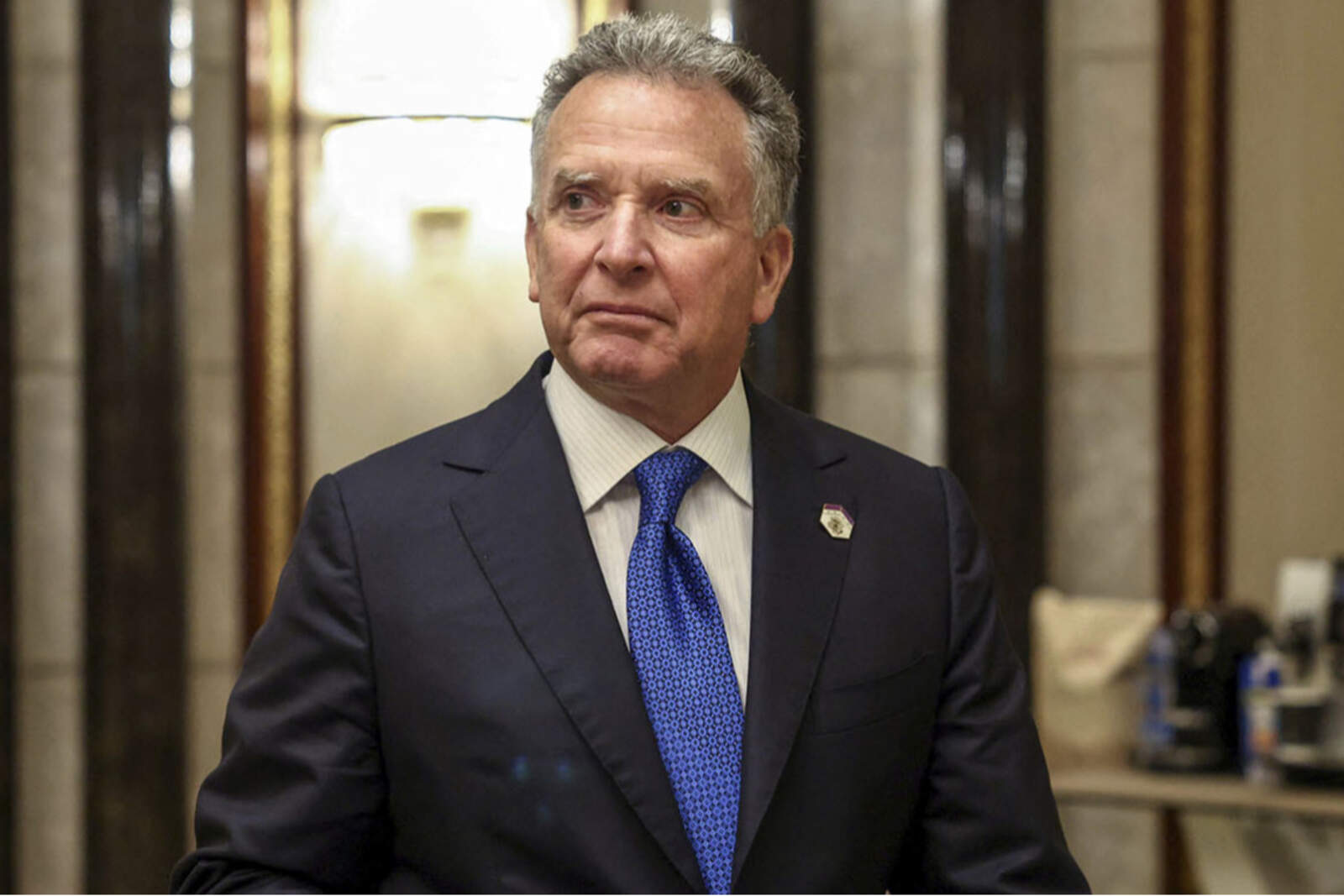
The envoy of the President of the United States, Donald Trump, arrived in Moscow on Thursday to discuss a 30-day ceasefire proposal that Ukraine has accepted, but a senior Russian official indicated that the truce would only benefit Ukraine, as it would give a respite to its fatigued and resource-limited army.
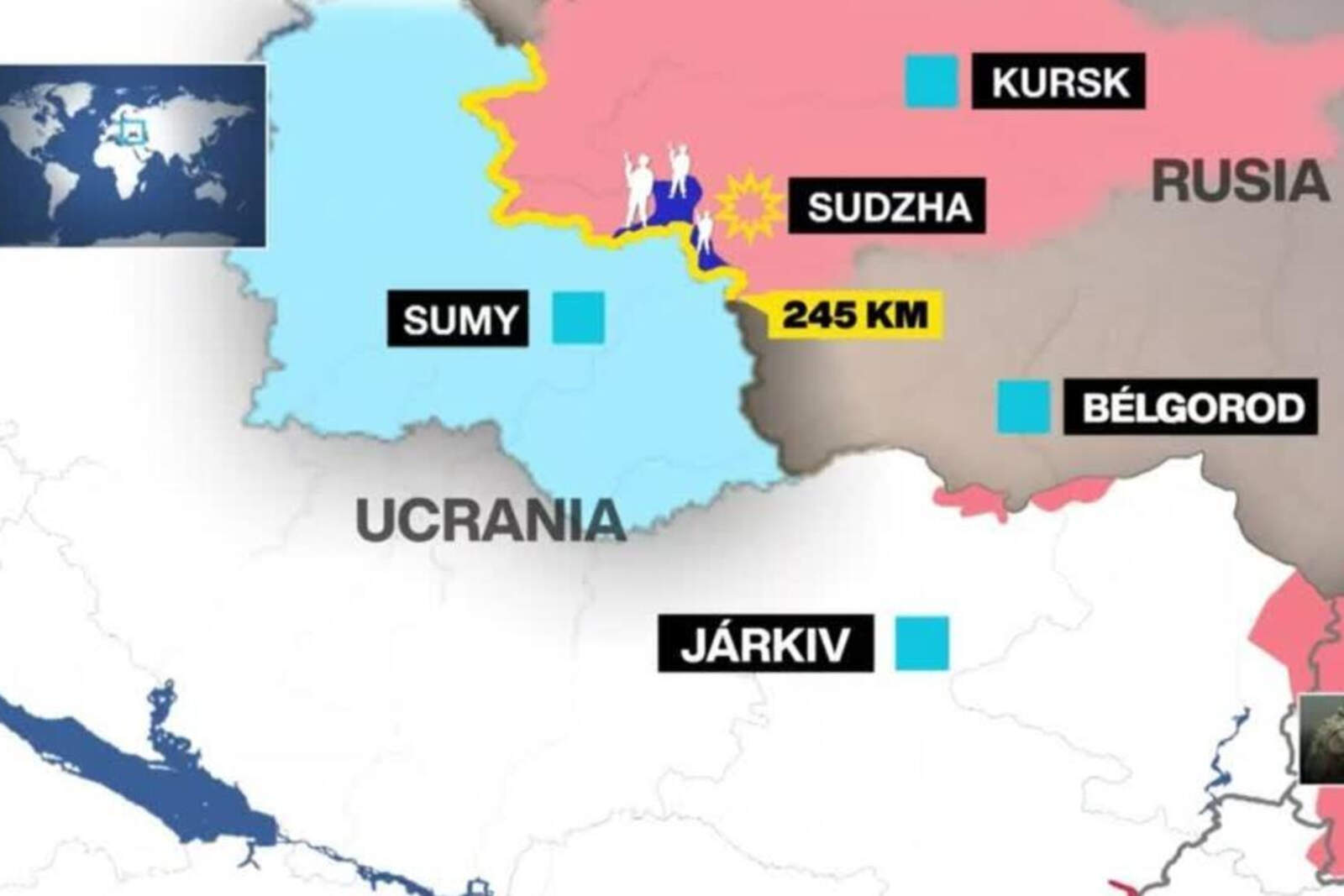
The arrival of Steve Witkoff, Trump's special envoy, coincided with a Russian claim that its troops had expelled the Ukrainian army from the town of Sudzha, in the Kursk region, where Russia had been trying for seven months to dislodge Ukrainian forces.
Although the ceasefire proposal was accepted by Ukraine, Moscow remains reluctant.
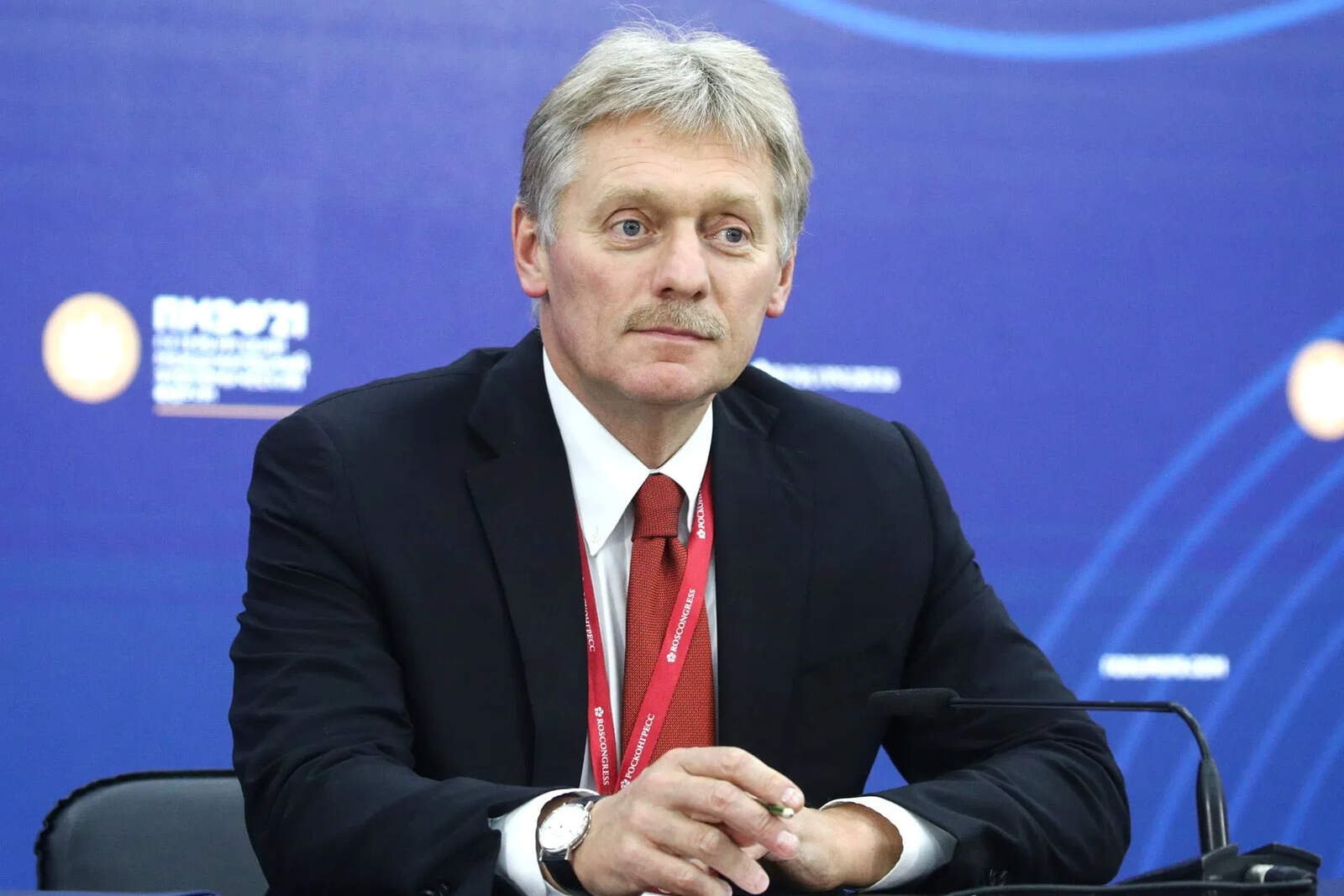
The Kremlin spokesman, Dmitry Peskov, avoided commenting on the proposal before the talks, and Putin's foreign policy advisor, Yuri Ushakov, expressed that the truce would not bring anything positive for Russia, as it would only give Ukraine the opportunity to regroup and continue its actions in the future.
This stance reflects the concern that Russia might use the ceasefire to reorganize its forces. Meanwhile, the Ukrainian President, Volodymyr Zelenski, criticized Russia's slow response to the ceasefire proposal, accusing Moscow of trying to delay any peace agreement.
Regarding the military situation, Russia has managed to recapture several localities, including Sudzha, an important Ukrainian operations base in the Kursk region, near the border.
The Russian Ministry of Defense reported that Russian forces were focused on regaining full control of the region. However, this information has not been independently verified.
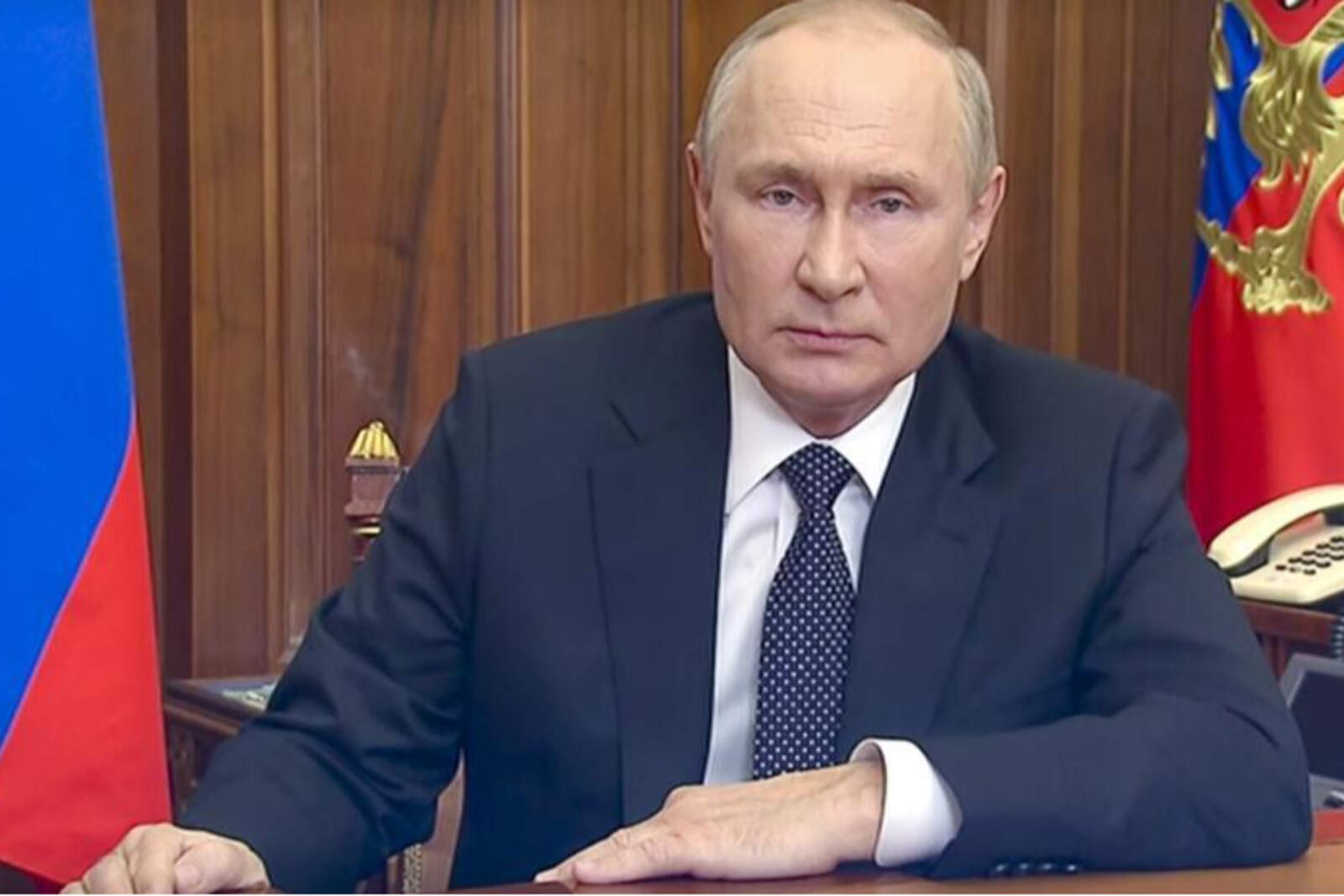
In a message to his commanders, Putin expressed his desire to complete the liberation of the Kursk region "in the shortest possible time" and suggested that Moscow might attempt to expand its territorial gains toward the neighboring Sumy region, which would further complicate a possible ceasefire agreement.
The conflict in Kursk intensified over the past months, especially after Ukraine's incursion last August, which was the first occupation of Russian territory by foreign forces since World War II.
This Ukrainian incursion was designed to divert Russian troops and put pressure on the Kremlin. However, Russian forces, with the support of North Korean troops, have gradually regained the lost ground, and the situation has begun to favor Moscow in that region.