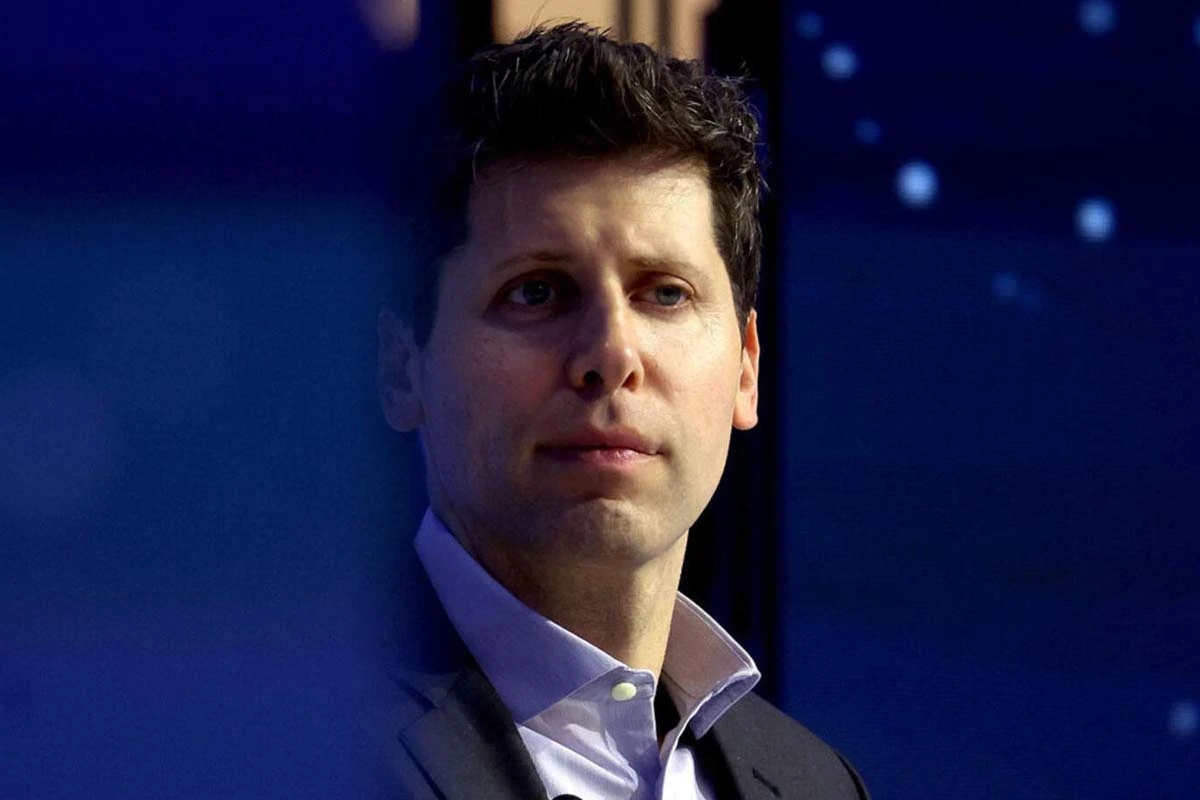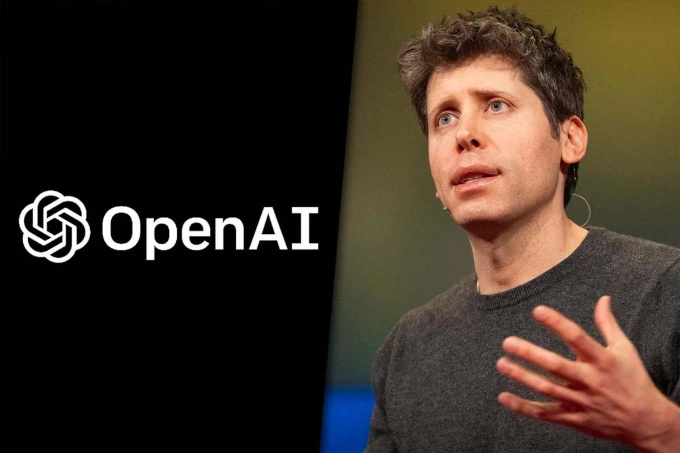

For Sam Altman, a good part of the entrepreneurs still organize their companies with inherited models from the last decade. Although they hire fewer people and incorporate artificial intelligence tools, they maintain structures and processes designed for a different technological context.
“A startup today still looks mainly like a startup from ten years ago because that is the received wisdom on how it is supposed to be done”, said the CEO and co-founder of OpenAI during an extensive interview in the Relentless series.
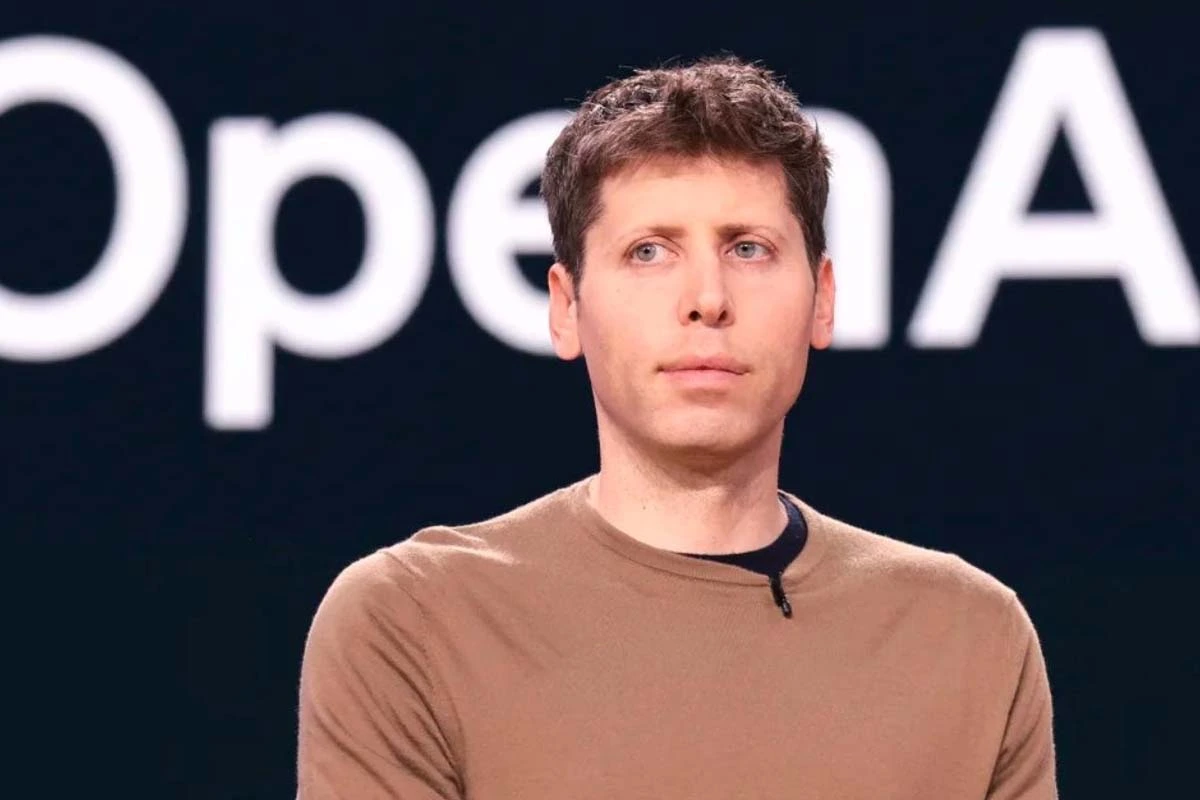
What classic advice remains relevant according to Sam Altman
Altman's questioning does not imply that traditional principles have lost value. Throughout the conversation, he recalled several classic pieces of advice: understand the problem before building a solution, form good teams, concentrate resources, and recognize when a product generates genuine adoption.
However, he incorporated a central difference: artificial intelligence is not just a tool to execute those steps more efficiently; it also modifies the speed, scale, and type of company that can be created.
Doing in weeks what used to take a year
“It’s incredible how a startup can look now after just ten weeks”, noted Altman. The executive exemplified the change with a startup that had developed a complete productivity suite in just two weeks, designed from the outset for AI to use as a first-class consumer.

As he explained, building a product with those characteristics would have required nearly a year until recently. For Altman, this scenario particularly favors startups: “Startups have the greatest advantage when the ground is changing the most”, he summarized.
Why big tech companies haven't achieved a definitive advantage
The very case of OpenAI serves as an example for Altman, who acknowledges that it is difficult to explain why large companies with more capital, infrastructure, and talent have not managed to take the lead in artificial intelligence.
The answer, according to the executive, lies in the difficulty that established organizations have in reacting to transformations that challenge their previous structures.
The risk of applying AI to the same as everyone else
Altman does not rule out the model of applying artificial intelligence agents to a specific industry, although he anticipates that those companies will face intense competition and will likely not define this technological stage.
“I’m surprised there aren’t more people saying: 'I’m going to take on this completely crazy challenge with this new set of tools'”, he stated. The startups with the greatest potential, according to his reasoning, would be those capable of solving problems that until now seemed too complex or costly.

Why we need to build for the models to come
One of Sam Altman's main pieces of advice is not to design a startup solely based on the current capabilities of technology. The CEO argues that founders should incorporate the possibility that models will continue to become smarter and cheaper.