The CPI was 2.1% in September and has accumulated 22% so far this year, consolidating the slowdown in prices
Nuevo
Agregar La Derecha Diario en
Compartir:
The National Institute of Statistics and Censuses (INDEC) reported that the Consumer Price Index (CPI) recorded a 2.1% increase in September. Accumulated inflation in the first nine months of the year stands at 22%, while the year-on-year variation reached 31.8%, marking one of the lowest levels in the past three years.
This figure consolidates the sustained trend of price deceleration observed since early 2025. The current level shows stabilization around 2% per month, a figure that once again places Argentina within regional parameters.
El presidente Milei junto al ministro de economía.
The agency, managed by Marcos Lavagna, announced this Tuesday through the monthly technical report that the division with the highest increase was "Housing, water, electricity, and fuels," followed by "Education." Meanwhile, categories such as "Recreation and culture" and "Restaurants and hotels" recorded the lowest values.
The food and beverages sector, which carries the greatest weight in the basket, rose by 1.9% in the month, showing clear containment in basic products, with even decreases in fruits, vegetables, and meats in several regions. According to sector analysts, the data confirm that the price stabilization process that began at the start of the year remains firm, despite exchange rate volatility and election results.
According to surveys by the main consulting firms, the 2.1% figurefell within the range anticipated by the market. The Central Bank's Market Expectations Survey (REM) projected a similar increase, while the main firms estimated a variation between 2.1% and 2.3%. The alignment between private and official estimates shows that inflation remains on a predictable path after years of instability.
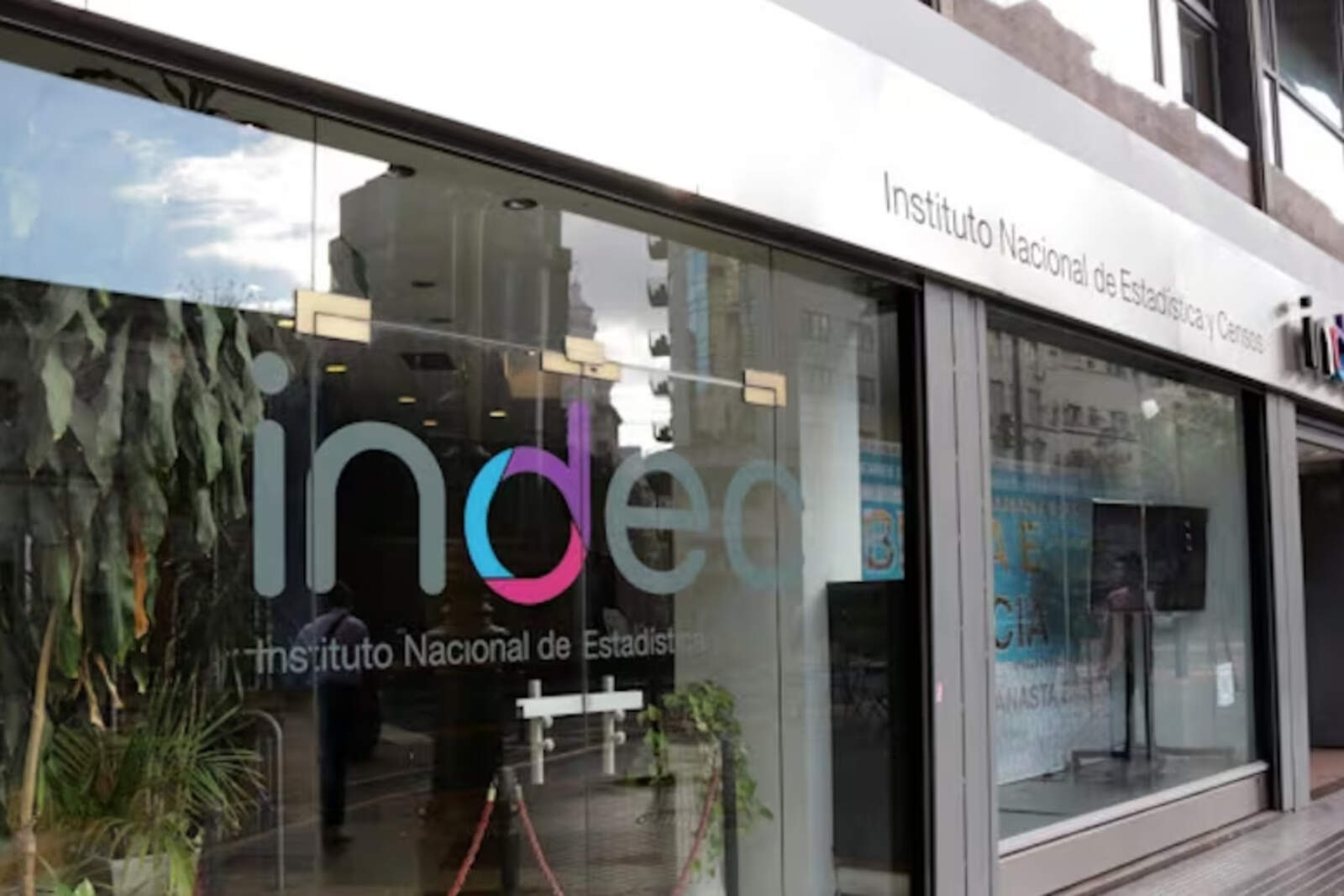
Oficinas del INDEC.
In perspective, the September figure confirms a remarkable improvement compared to previous years' records. In the same month of 2024, year-on-year inflation exceeded 250%, and in 2023 it closed above 130%, directly impacting the purchasing power of Argentinians.
With similar values across all regions of the country and Greater Buenos Aires within the national average, the government manages to sustain a year-on-year inflation rate of 31.8%, a figure that strongly contrasts with the inherited scenario and reflects a structural change in monetary and fiscal policy.