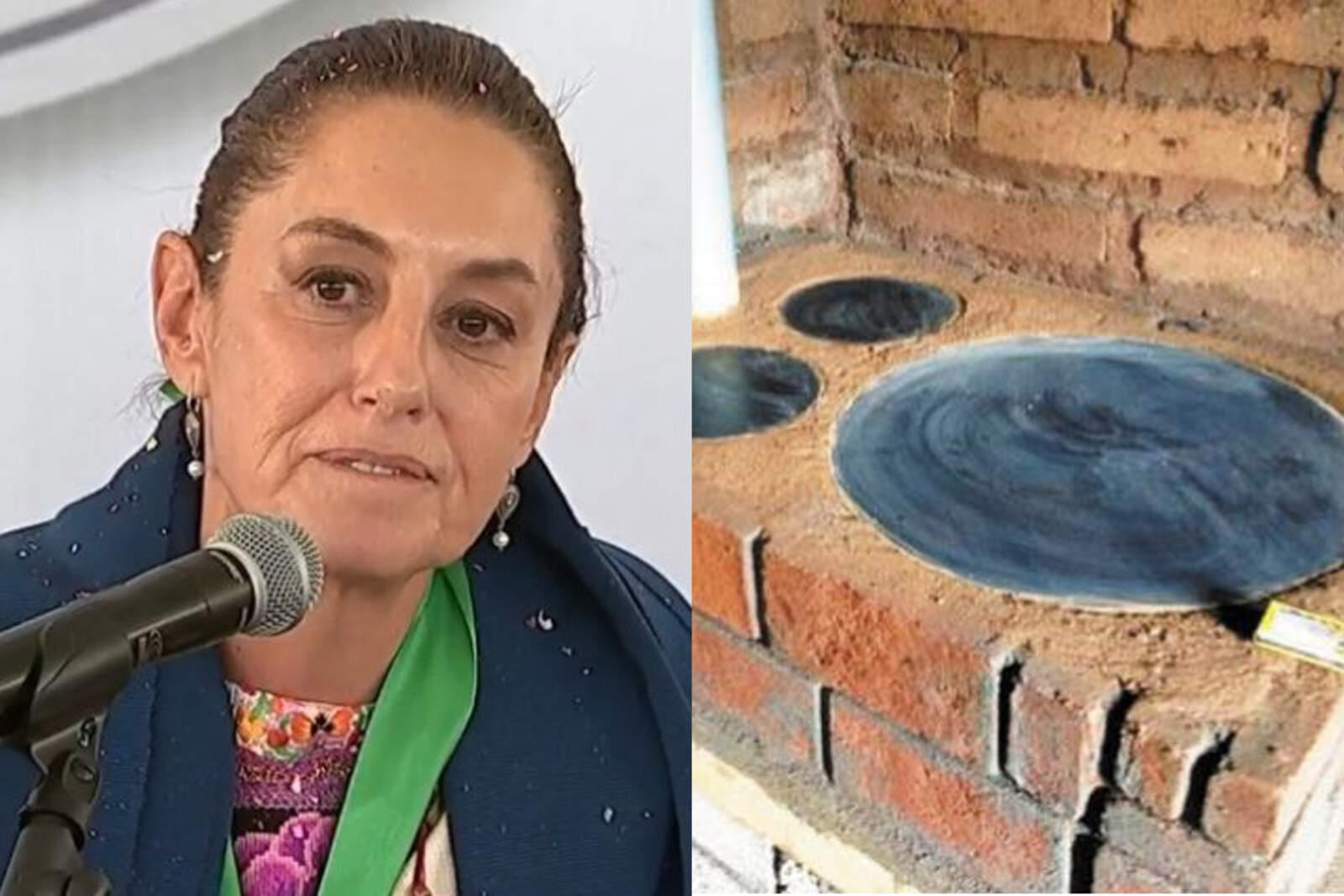
Adding to this is a deeper reading of the symbolism of the act. Sheinbaum recalled that more than 40 years ago she arrived in that community as a student from UNAM. She was there to help install rustic wood stoves.
Four decades later, her policy hasn't changed much. The communities continue to be served with basic solutions, with the promise that a little less smoke represents a form of social justice.
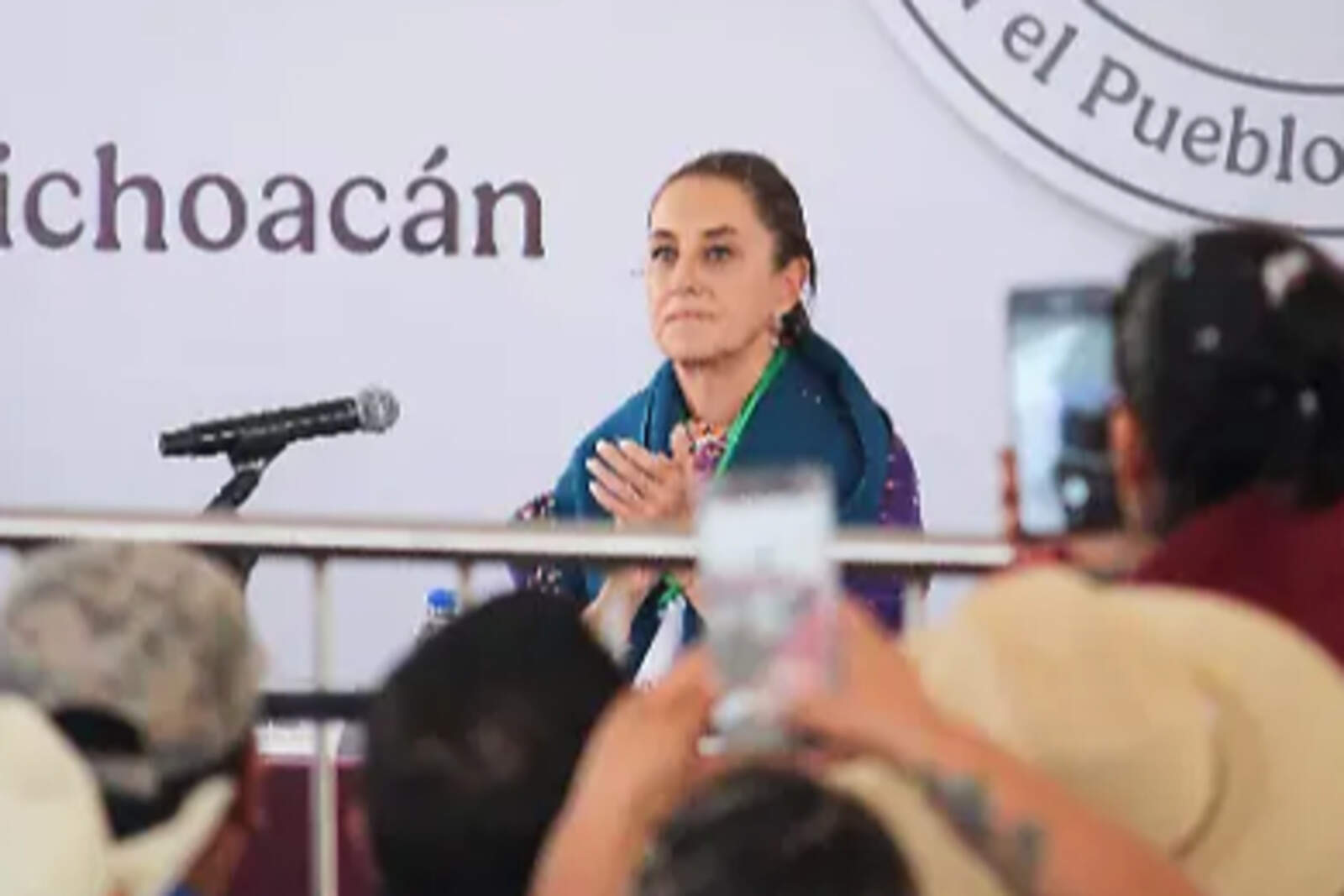
La presidente Claudia Sheinbaum ya había estado en la comunidad
The social justice that hides injustice in Michoacán.
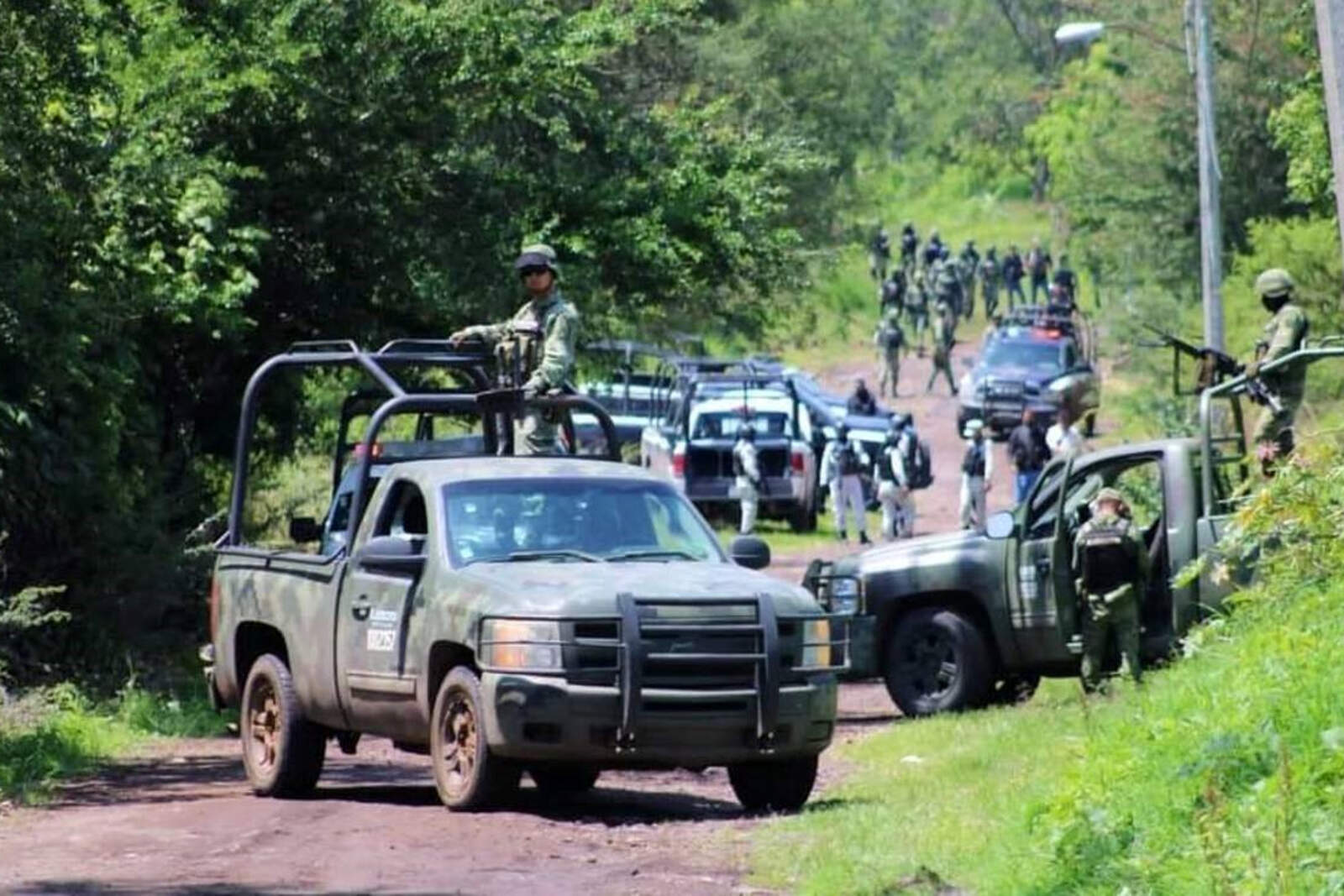
Michoacán, moreover, faces a security crisis that has paralyzed entire regions. In this context, the installation of stoves seems a measure disconnected from reality.
What good is a stove if families live under constant threat from organized crime? If they don't have access to education or if public hospitals lack medicine?
The efficient stoves program is, at best, a palliative. At worst, an electoral strategy disguised as social justice that, like many other promises of the 4T, ends up as smoke.
Los enfrentamientos en Michoacán son frecuentes
The president Claudia Sheinbaum presented the “National Program of Efficient Wood Stoves for Well-being” as part of the Justice Plan for the Purépechas. The program will have an initial investment of 500 million pesos to install stoves in indigenous and Afro-Mexican communities across the country.
According to the Ministry of Energy, the project will start in 146 communities in Michoacán, with the installation of 16,500 stoves in the first stage. The goal is to contribute to the health of families, especially women and children, by reducing exposure to smoke caused by traditional wood.
The problem is that, far from being seen as a structural solution, this program is perceived by many citizens as an insufficient and opportunistic measure.
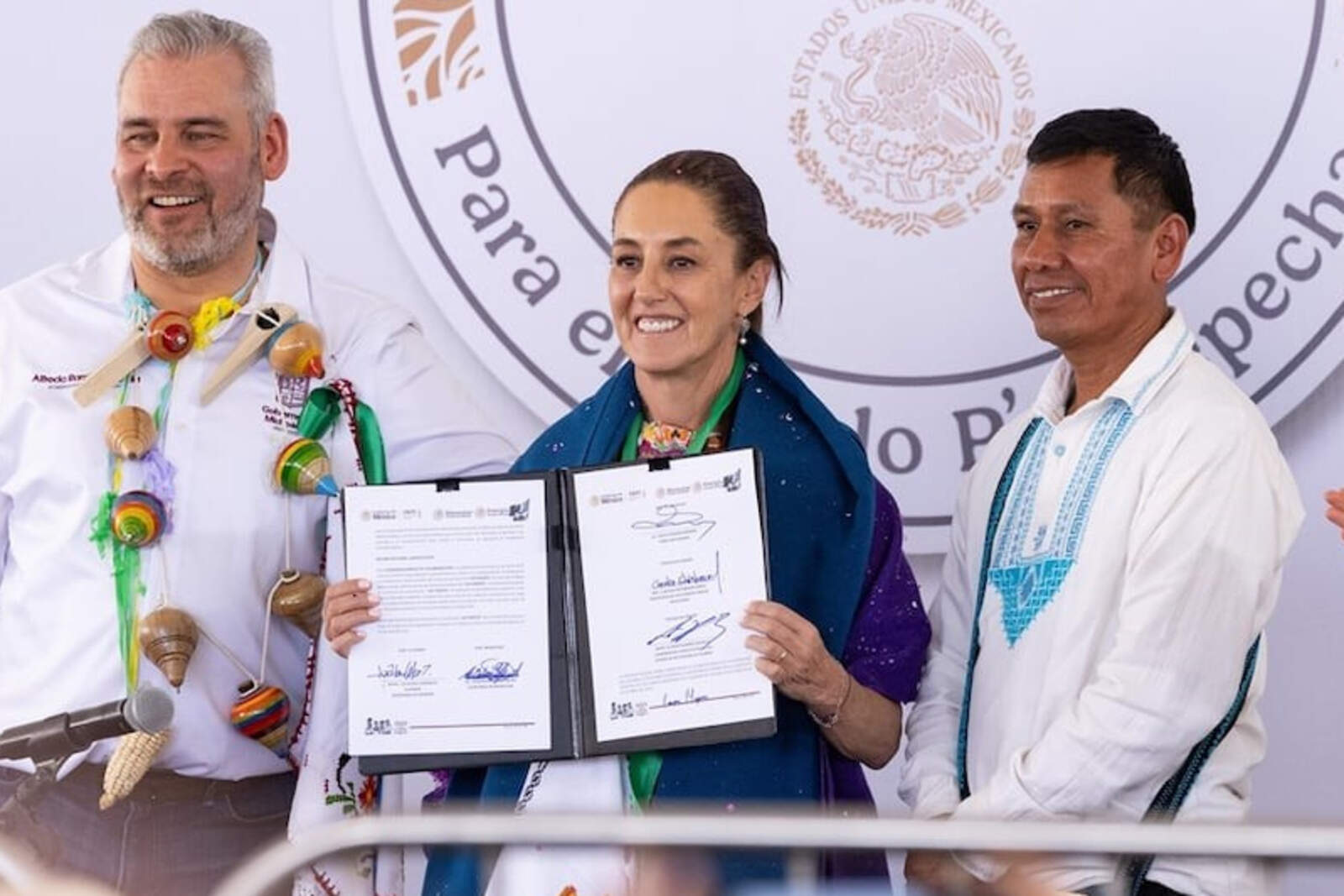
Sheinbaum con el gobernador morenista de Michoacán, Alejandro Bedolla
On social media, there is an abundance of criticism about the true impact of this policy.
Meanwhile, millions are invested in stoves, underlying problems such as marginalization, violence, or lack of access to basic services remain unsolved.
The cost per unit has also caused suspicions. Although the government speaks of efficiency and well-being, an investment of 500 million pesos for just 16,500 stoves represents an average of more than 30 thousand pesos per unit. This has raised questions about possible overpricing and favoritism in the allocation of contracts.