UEFA responded with an unusually harsh statement. The organization expressed its “shock” at a decision it described as “unprecedented, incomprehensible, and unjustifiable” and stated that FIFA's leadership had “crossed a red line”.





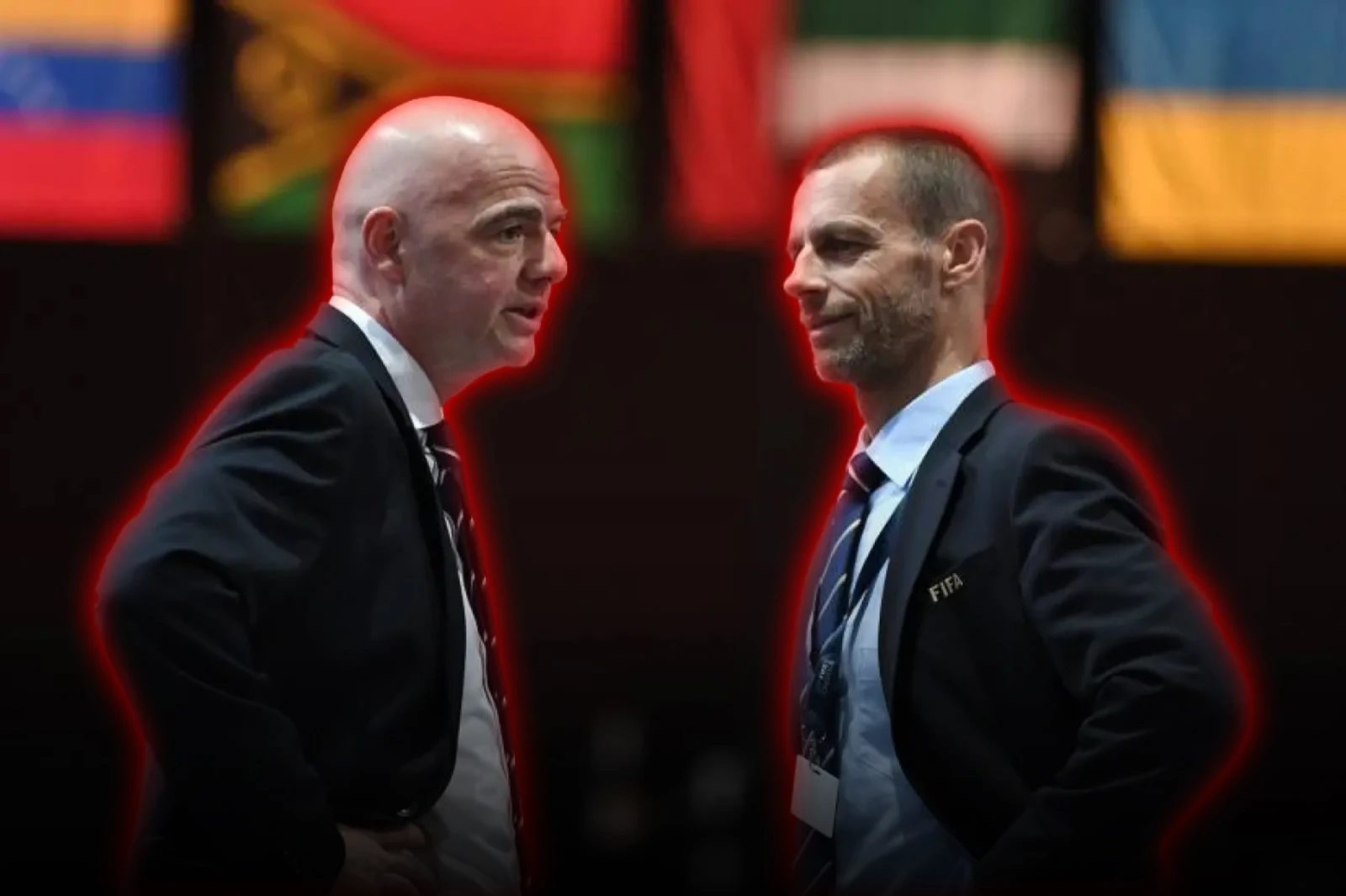

Her absence added tension to a final surrounded by refereeing controversies and disputes over the power of world football
UEFA responded with an unusually harsh statement. The organization expressed its “shock” at a decision it described as “unprecedented, incomprehensible, and unjustifiable” and stated that FIFA's leadership had “crossed a red line”.





The absence of Aleksander Čeferin in the World Cup final between Argentina and Spain exposed the deep power struggle between UEFA and FIFA. The Slovenian leader decided not to attend the match in protest against Gianni Infantino over the so-called “Balogun case,” according to the British newspaper The Times.
The decision gained even more relevance due to the atmosphere leading up to the match. Before the final, UEFA had leaked warnings about a possible offensive to remove Infantino from the FIFA presidency if the Argentine national team were to become world champions again.
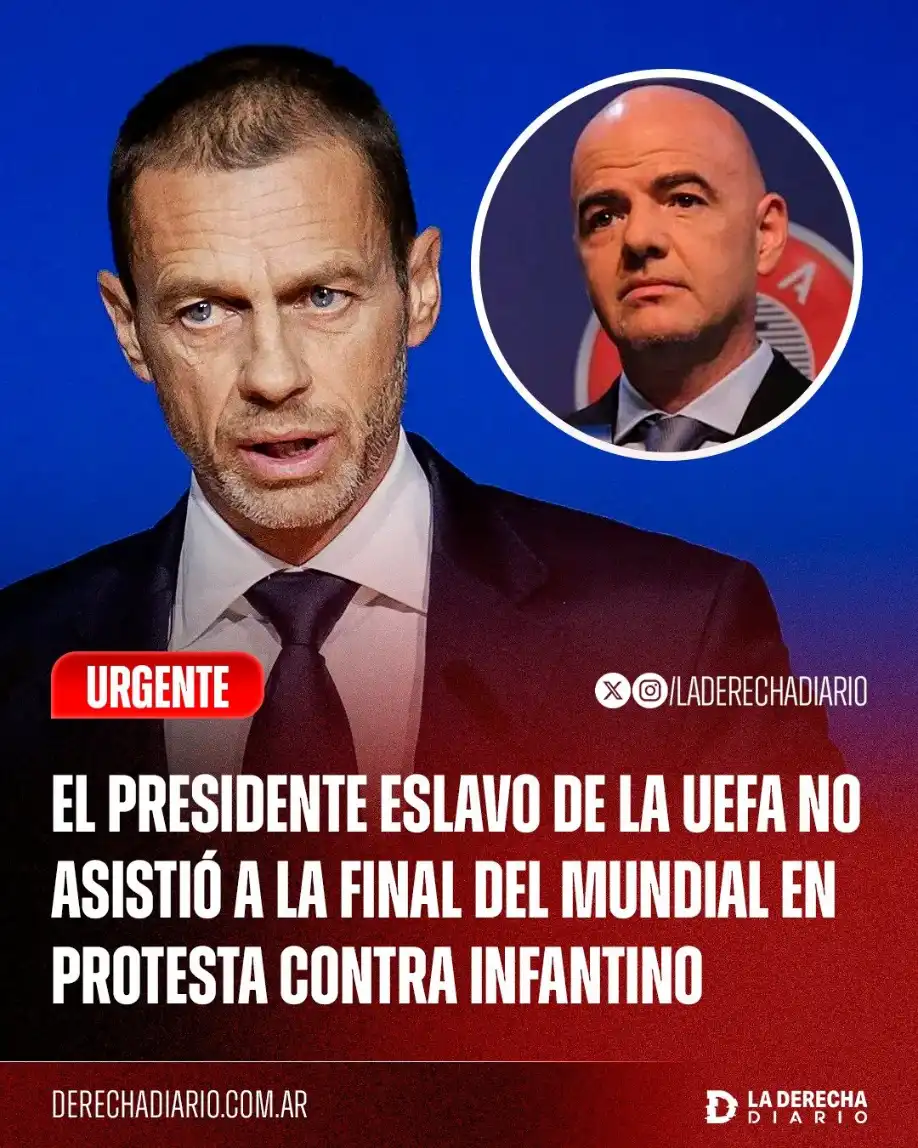
The immediate origin of the confrontation was the situation of the American forward Folarin Balogun, who was sent off during the victory against Bosnia and Herzegovina. The sanction was supposed to keep him out of the round of 16 match against Belgium, but FIFA suspended its enforcement for twelve months, citing Article 27 of its Disciplinary Regulations.
The resolution sparked even more controversy after it was revealed that U.S. President Donald Trump had spoken directly with Infantino to request that the case be reviewed. Ultimately, Balogun was cleared to play in the match against the Belgians.
However, the conflict extended beyond the case of the American striker. During the World Cup, Čeferin also questioned the expansion of the tournament to 48 teams, the dynamic pricing system for tickets, hydration breaks, and the extension of halftime for the musical show.
UEFA also criticized U.S. authorities for preventing Somali referee Omar Artan from entering the country. In response, the European organization appointed him to officiate the UEFA Super Cup between Paris Saint-Germain and Aston Villa.

Finally, Spain defeated Argentina in a final officiated by a completely Slovenian refereeing team, the same nationality as Čeferin, marked by decisions that harmed the national team. Although there is no evidence of direct UEFA intervention in the refereeing, the coincidence fueled suspicions.
The outcome ultimately favored the European bloc that had confronted Infantino and threatened his continuity. UEFA denounced that FIFA had crossed a “red line,” but the result of the decisive match ended up benefiting its own sporting and economic interests.