Meta signed an agreement with the startup Overview Energy to develop a system to generate electricity during the night from solar energy collected in space. The information was published by TechCrunch
.
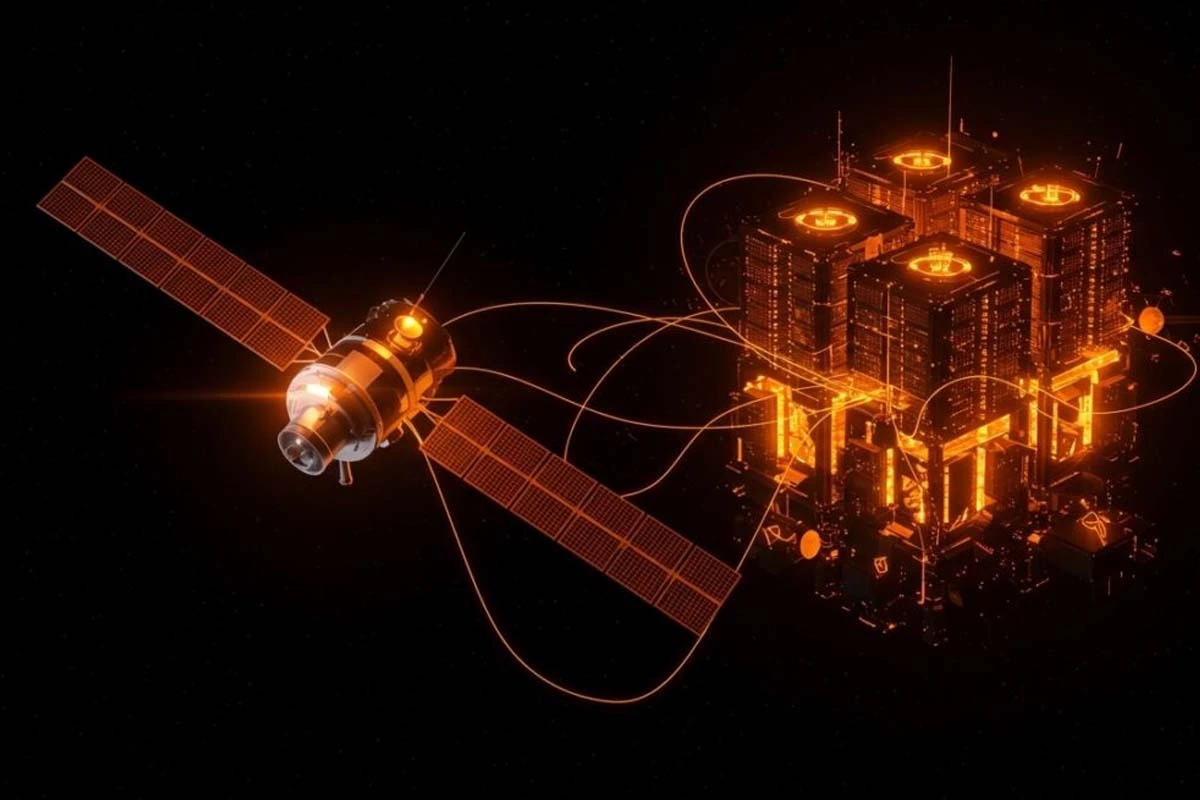
The project envisages the use of satellites that will send infrared light to solar plants on Earth, with the objective of supporting the energy supply of data centers, especially those dedicated to artificial intelligence.
Meta signed an agreement with the startup Overview Energy
Why Meta is looking for new energy sources
According to data released by the company itself, in 2024, Meta's data centers consumed more than 18,000 gigawatt-hours.
That volume is equivalent to the annual consumption of more than 1.7 million homes in the United States.
The company has already announced its goal of developing 30 gigawatts of renewable energy, with a focus on industrial-scale solar plants.
How the solar energy system works from space
Overview Energy, a Virginia-based company, proposes to capture solar energy in space and convert it into infrared light. That energy is then transmitted to terrestrial solar plants.
How does the solar energy system work from space
The system seeks to avoid the usual limitations of solar energy, such as dependence on daylight or the use of
batteries for storage.
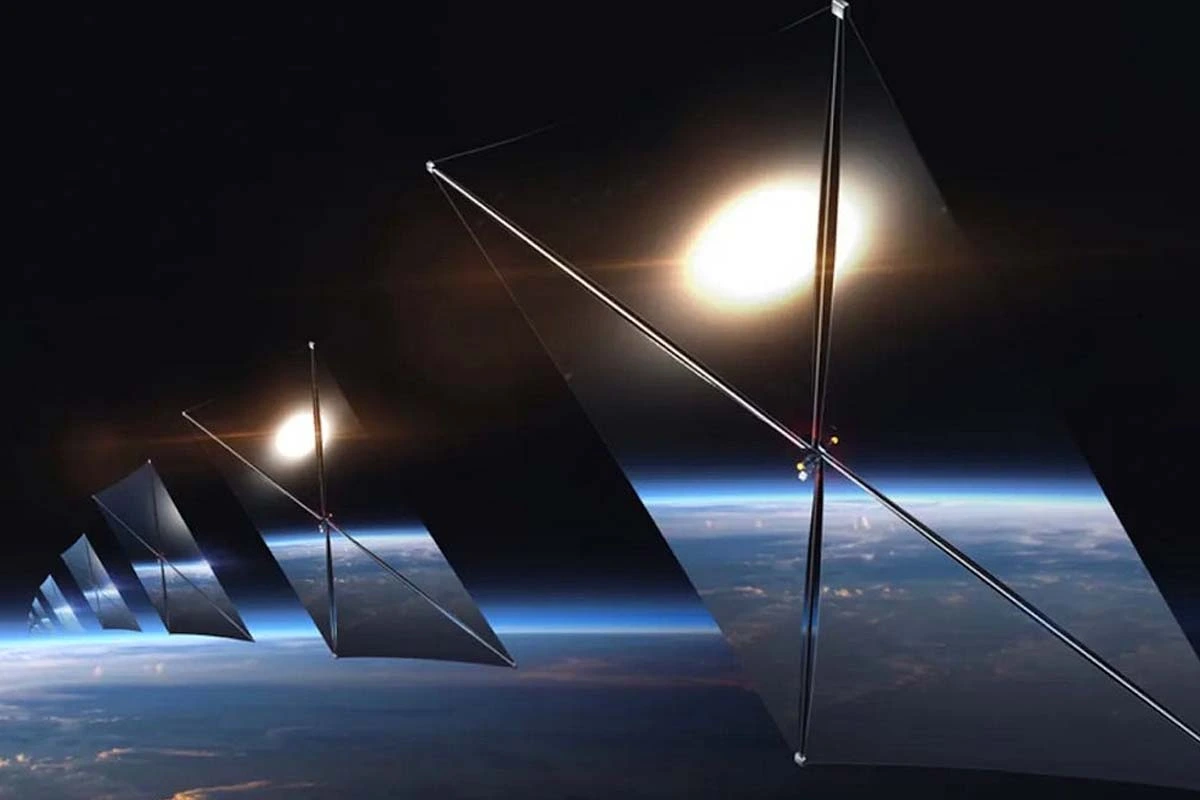
Satellites collect solar energy outside the atmosphere
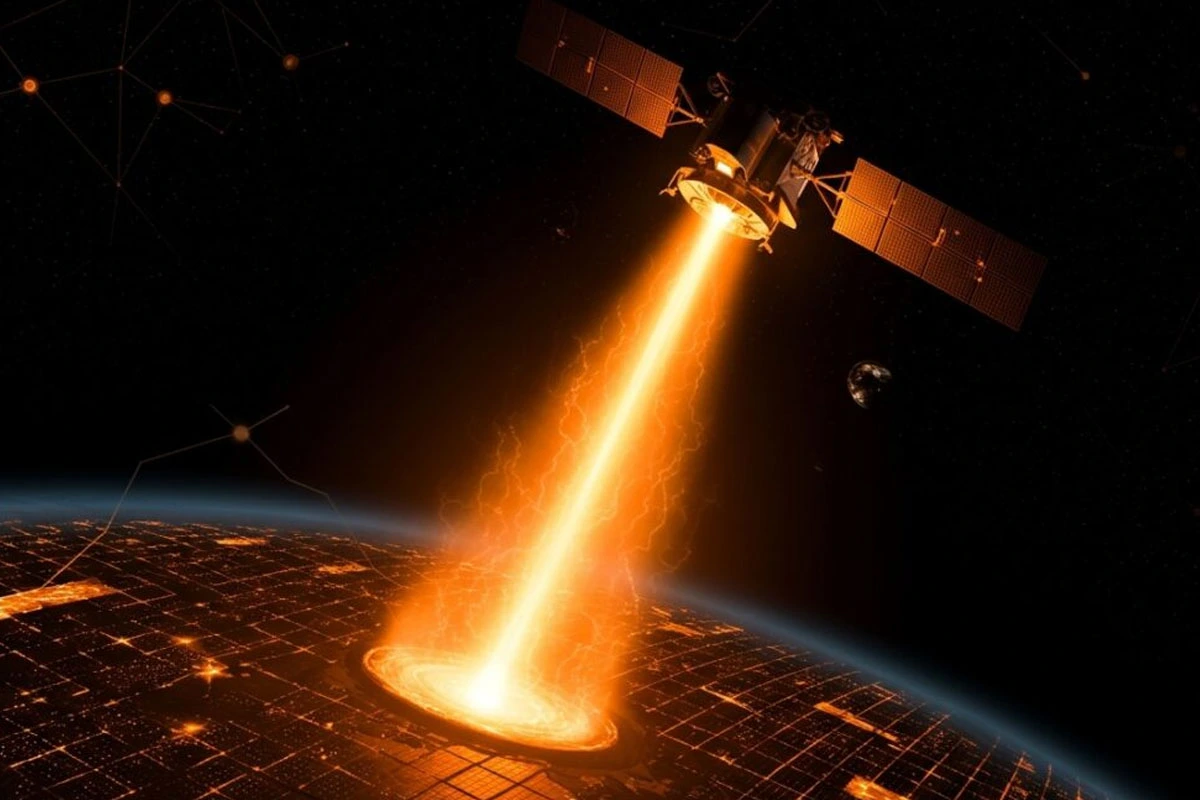
. They convert it into low-intensity infrared light
and
send it to solar parks for conversion into electricity
. As
CEO Marc Berte explained to TechCrunch, the infrared beam does not
pose risks to people. The system seeks to avoid the usual limitations of solar energy
The agreement between Meta and Overview Energy
Meta signed an agreement to reserve capacity to receive up to 1 gigawatt of energy generated by satellites. It was not reported if there was an initial financial outlay
.
The company also introduced a new measurement unit called “megawatt photons”, which represents the amount of light needed to generate one megawatt of electricity.
When the Overview Energy system could be operational
, it plans to launch its first satellite into low orbit in January 2028 to test energy transmission from space
. When the system might be operational The full deployment would include up to 1,000 satellites in geostationary orbit, with operations scheduled to start in 2030.
Each unit would have a lifespan of more than 10 years.
Global reach and operation
According to Marc Berte, the system could cover approximately one third of the planet. In a first stage, it would cover from the west coast of the United States to Western Europe