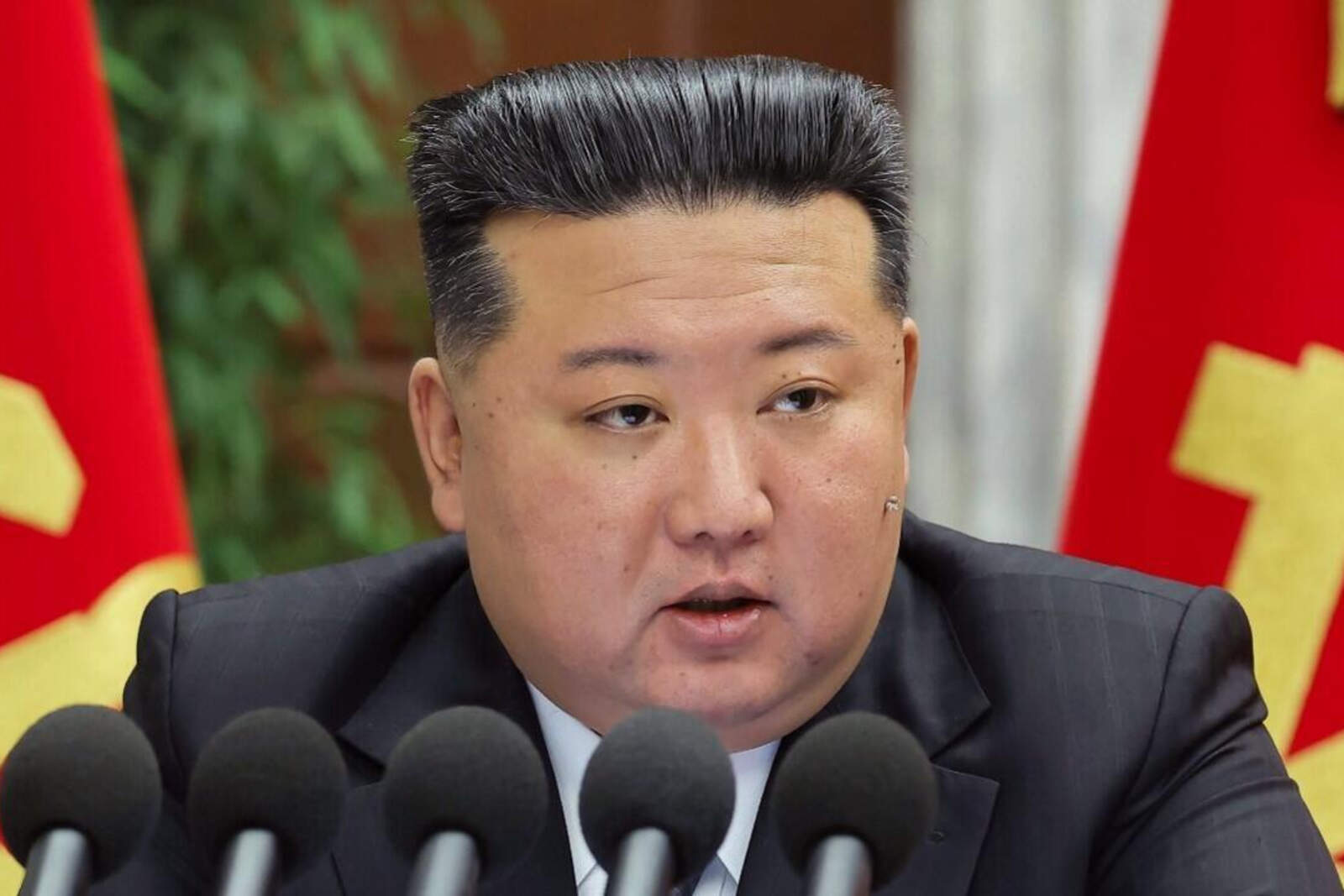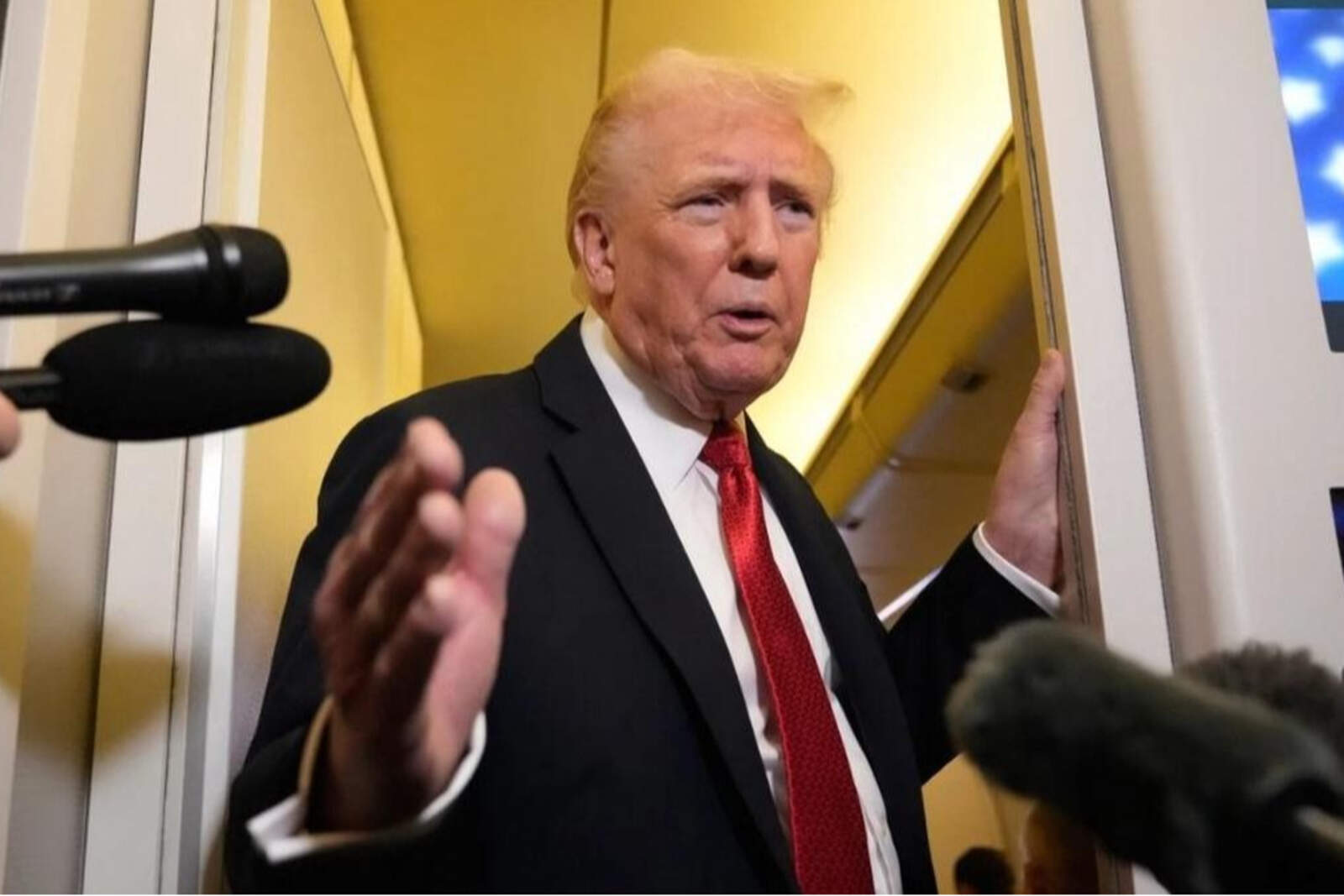









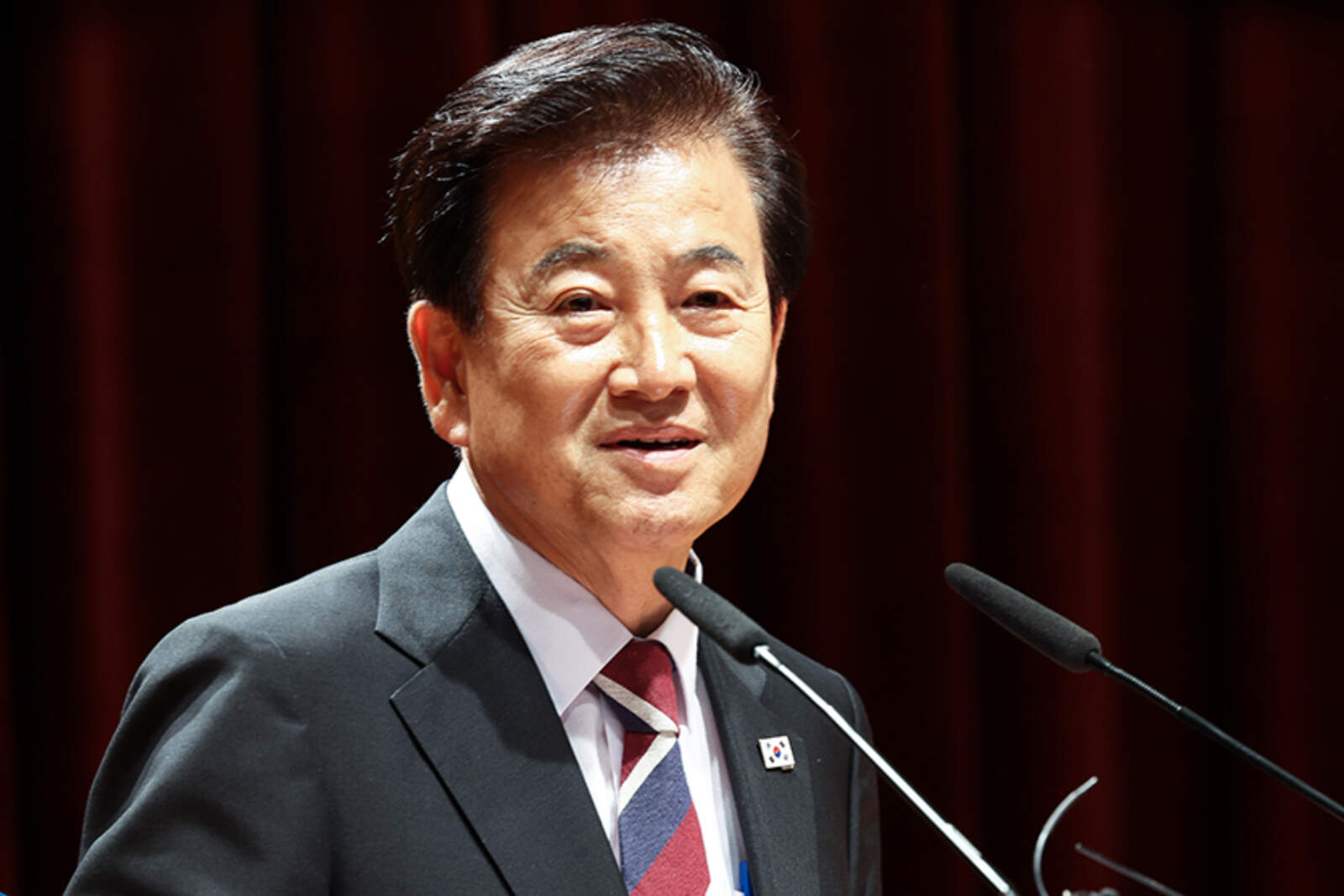
South Korea's Unification Minister Chung Dong-young called on Friday for U.S. President Donald Trump and North Korean leader Kim Jong Un to make a "bold decision" to hold a new meeting during the imminent tour of the American president in Asia.
Chung's statements come as Trump prepares to begin a five-day visit to Malaysia, Japan, and South Korea, a trip focused on regional security issues, economic cooperation, and stability on the Korean Peninsula.
"President Trump and leader Kim must not let this opportunity pass. They need to make a courageous decision," Chung told the South Korean agency Yonhap.
According to the minister, a new summit between Washington and Pyongyang could help "improve North Korea's international standing and the living conditions of its people", while also promoting peace and regional stability. "For that to be possible," he added, "a direct meeting with President Trump is needed."
Seoul's proposal comes at a time of mixed signals in the relationship between the United States and North Korea. Earlier this month, a White House official told Fox News that Trump remains willing to talk with Kim Jong Un without preconditions, a stance similar to the one adopted during his first term.
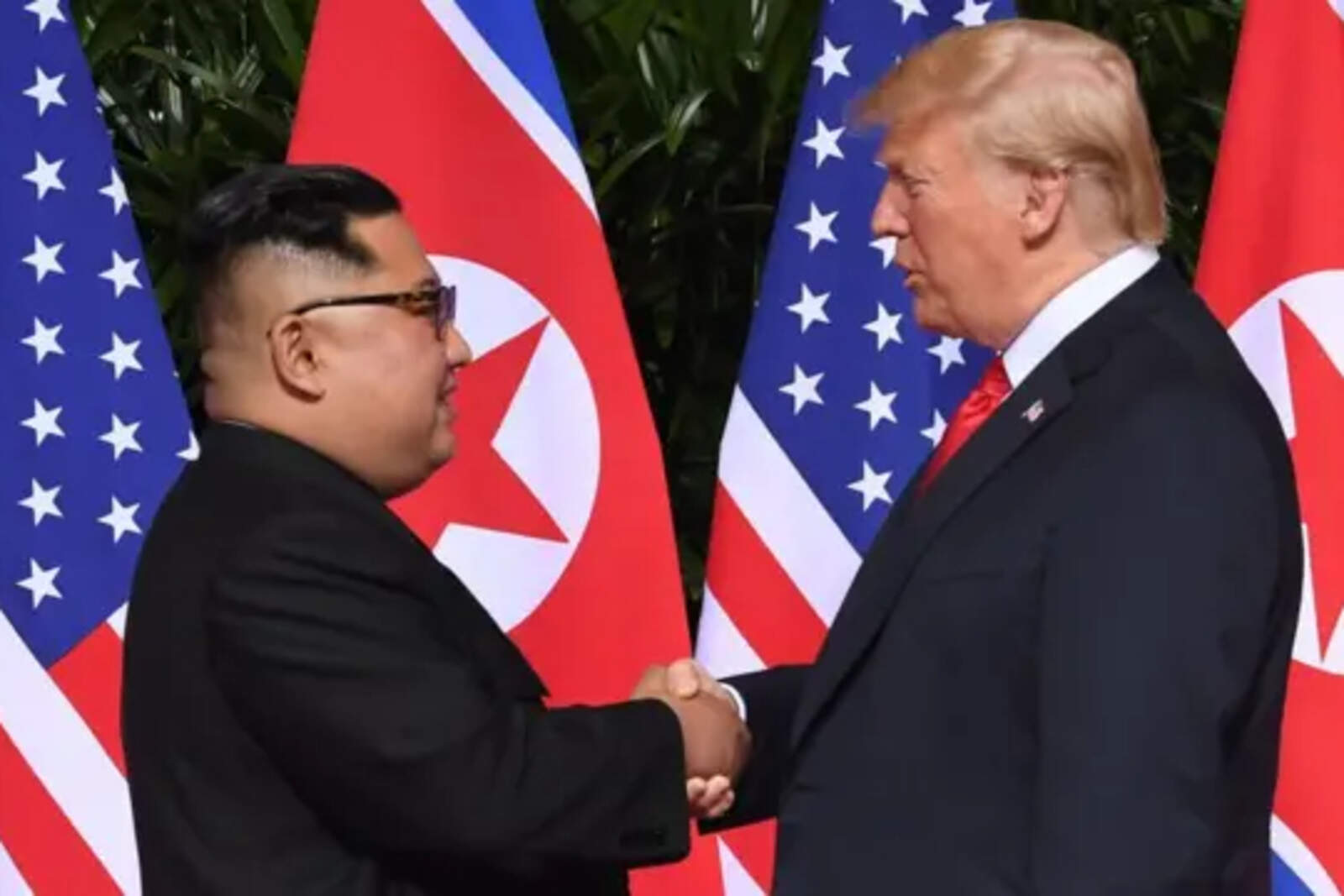
"President Trump remains open to dialogue with Kim Jong Un. In his first term, he held three historic summits with the North Korean leader that stabilized the Korean Peninsula. The United States' policy toward North Korea hasn't changed," the official said.
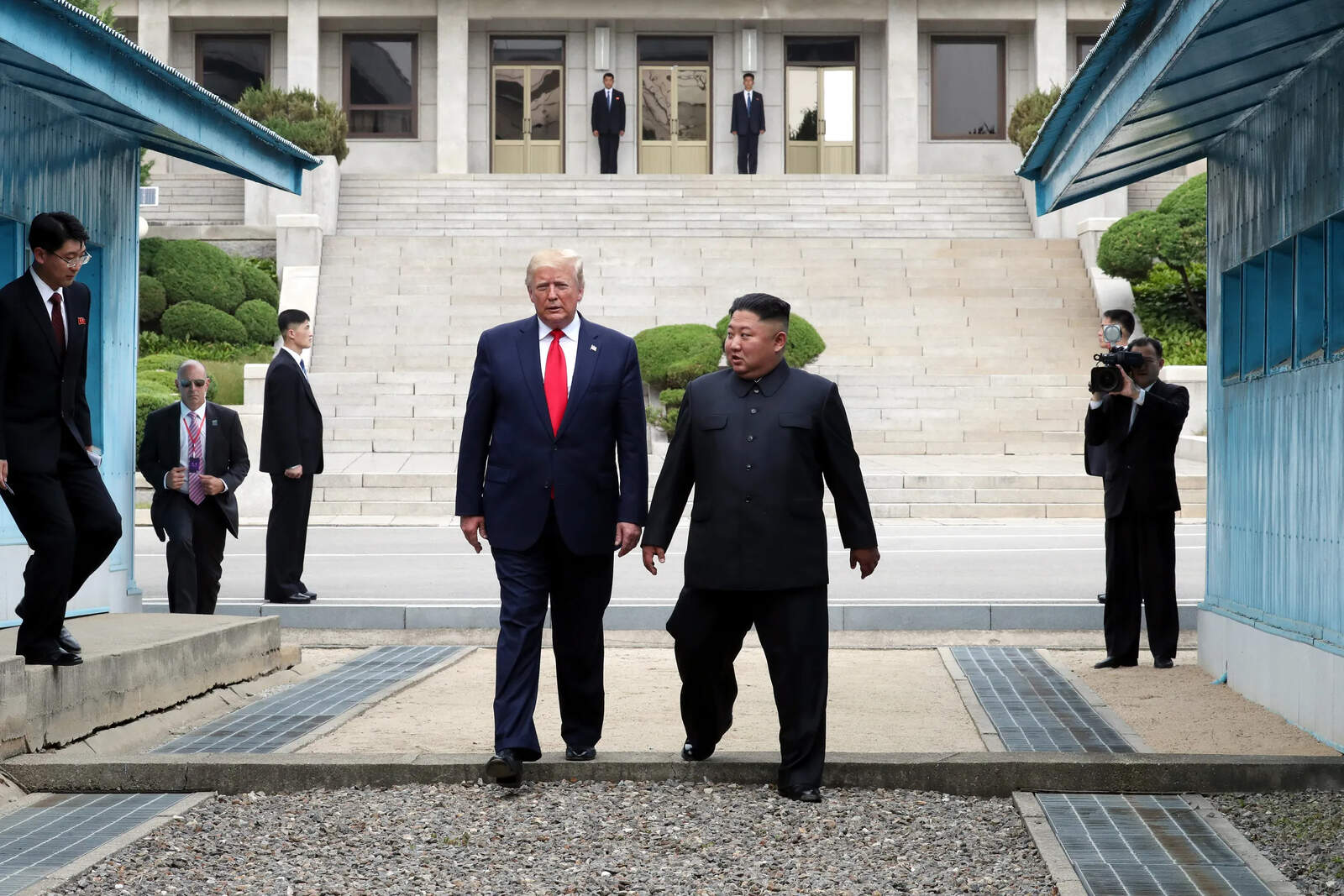
The last time both leaders met was on June 30, 2019, in the Demilitarized Zone (DMZ) that separates the two Koreas, in a meeting that caused brief international optimism but failed to achieve concrete results on the central issue: the denuclearization of the Pyongyang regime. Since then, dialogue has remained stalled, amid rising tensions and new North Korean missile tests.
In fact, just days before Trump's departure for Asia, North Korea launched multiple short-range ballistic missiles, in a show of force that many analysts interpret as a reminder of its military power and as a way to pressure Washington.