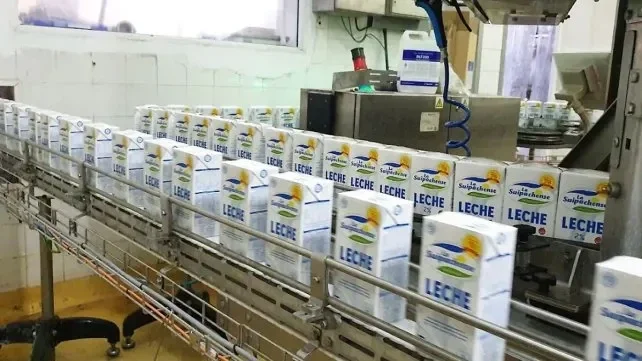

“In 10 days the factory will be operational, at least the Tetra Pack line”. He also detailed that they are using the RNE and RNPA codes from the previous company for a period of 90 days while their own are processed, ensuring that “there would be no limits other than mechanical ones to start working”.
The horizon is ambitious and looks towards the world, far from the isolationism of the past. The company aims to export powdered milk and plans to enable the cheese factory to produce hard cheeses, butter, and other by-products. “There is good reception from chains, purchasing pools, and distributors”, stated Mancini, making it clear that under the current climate of confidence, the market responds enthusiastically.
Finally, the local leader emphasized that “the entry of new workers is also tied to development”, a reality that is now possible only because Argentina has returned to embrace the ideas of freedom.