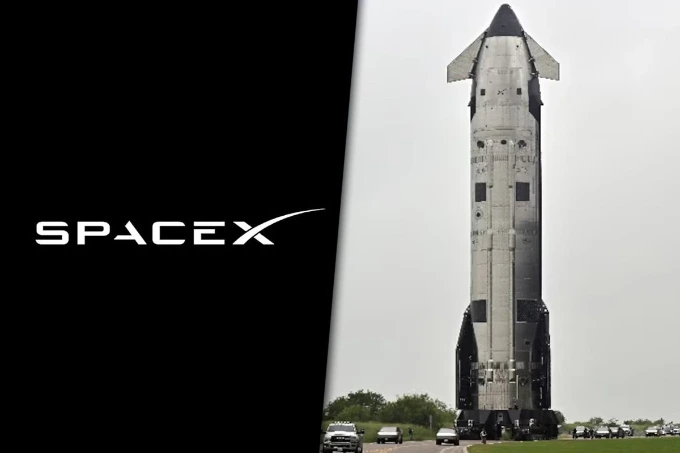
SpaceX is preparing the 14th test flight of Starship for September 22, with a central goal: to reach Earth orbit.
The company of Elon Musk also plans to deploy 26 V3 Starlink satellites, in a key mission for the development of the enormous rocket.
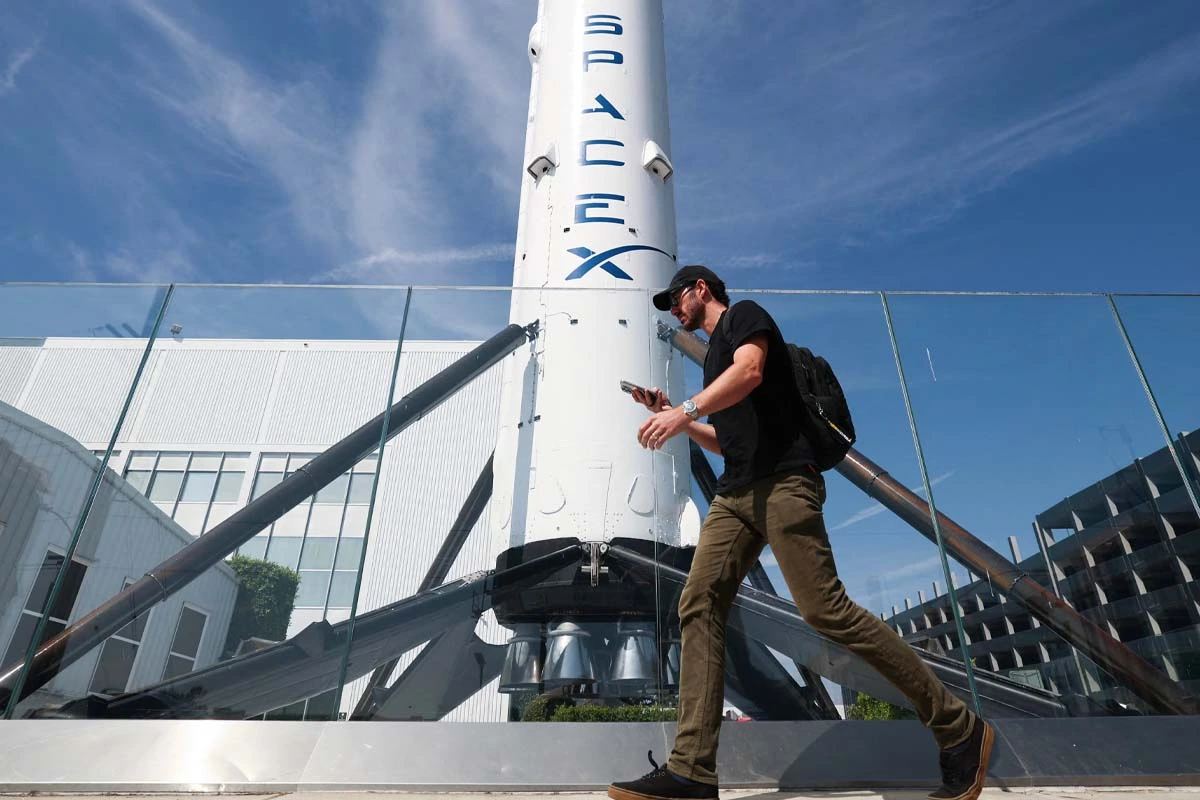 SpaceX prepares for the test flight number 14 of Starship
When will the next Starship launch be
The launch of Starship is scheduled for September 22. It will be SpaceX's first attempt to place the upper stage of Starship into Earth orbit.
The goal represents an important step in the development of the vehicle.
Starship will carry 26 V3 Starlink satellites
During the flight, SpaceX plans to deploy the first group of third-generation Starlink V3 satellites.
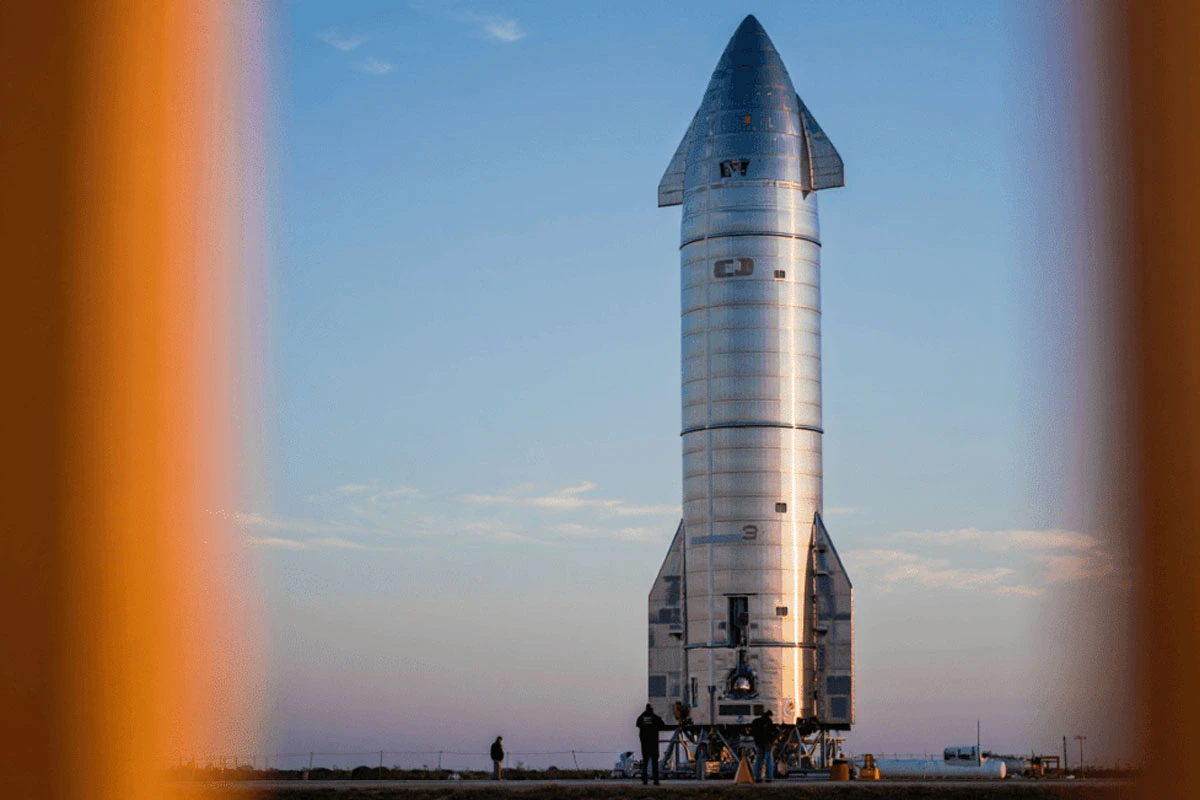 Starship will carry 26 Starlink V3 satellites
The mission involves putting into orbit 26 satellites intended to join the network of approximately 10,000 internet satellites.
If the deployment is successful, it will be the first launch of Starship that generates revenue for SpaceX's launch division.
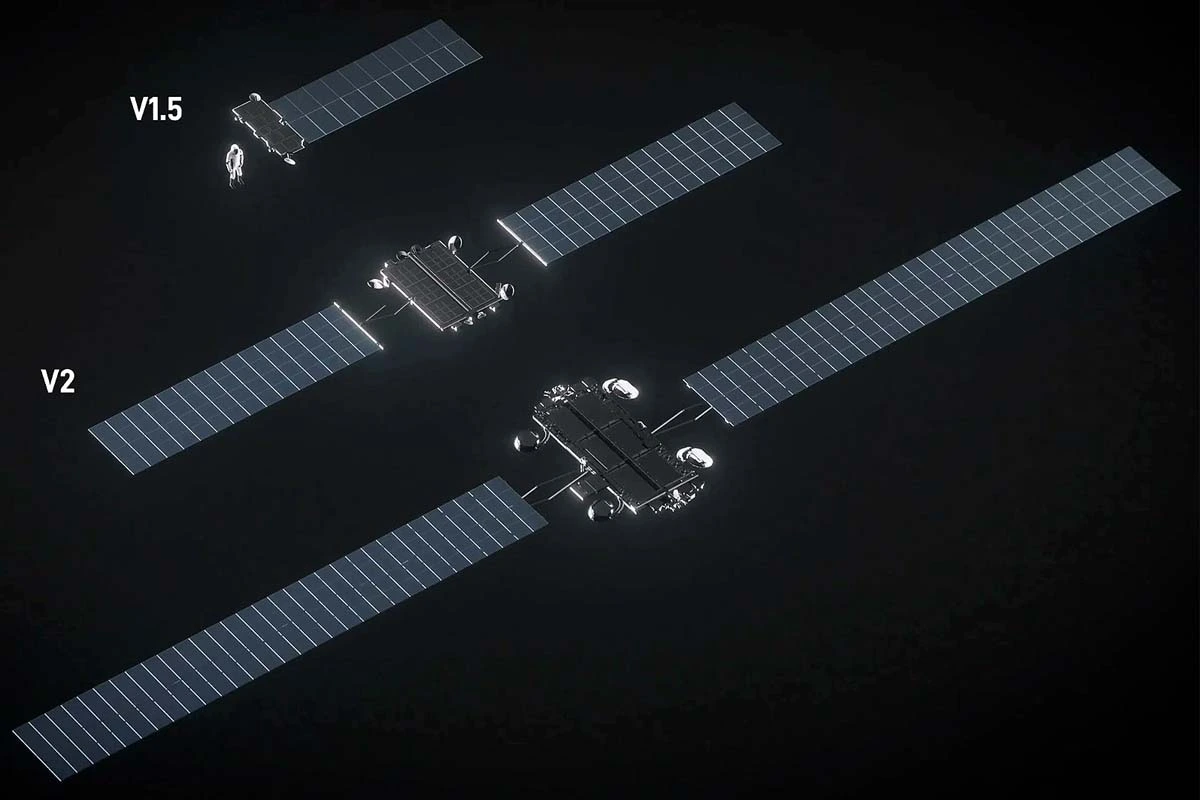 The mission involves placing 26 satellites into orbit
The challenge for Elon Musk to make Starship a reusable rocket
The development of Starship has cost billions of dollars and is part of a broader strategy by SpaceX to renew its launch system.
Elon Musk suggested that Falcon 9 and Falcon Heavy could be retired when Starship flies reliably several times a week.
The goal is to free up engineering and production resources to focus on the new launch system.
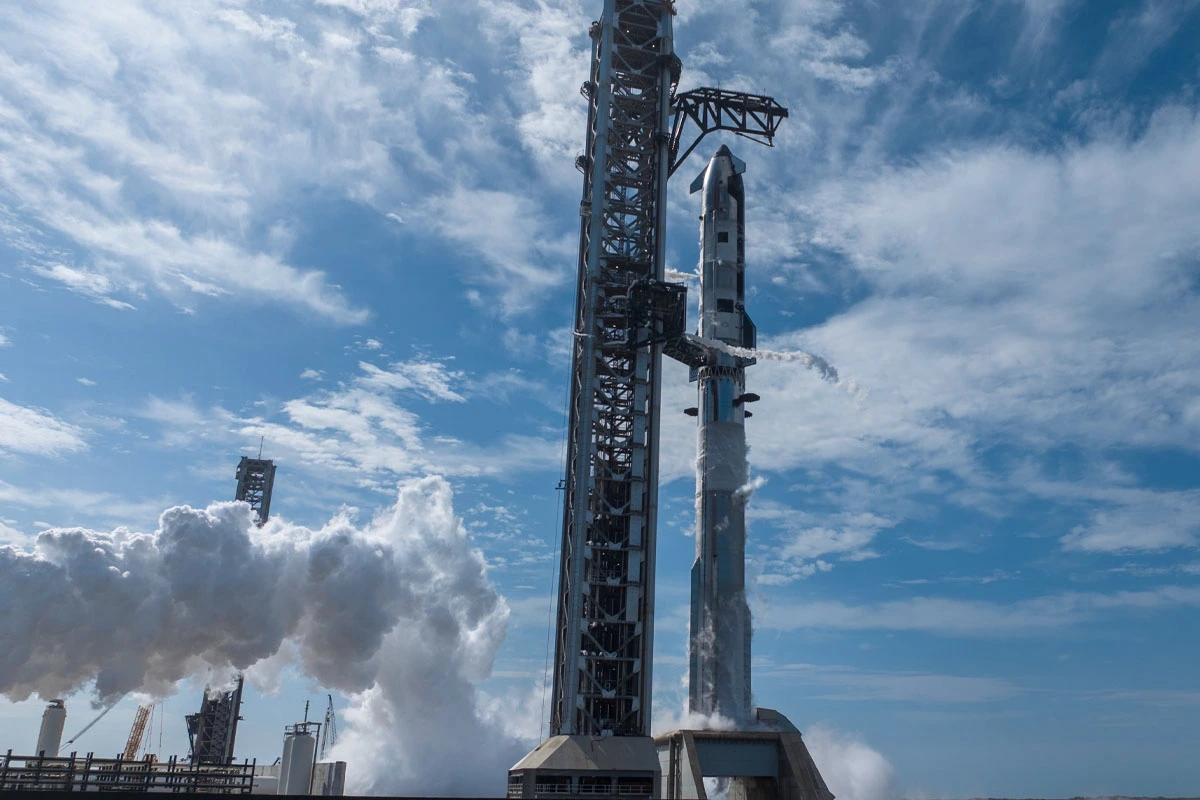 The challenge of Elon Musk to turn Starship into a reusable rocket
What happened with Starship in test flight number 13
In flight 13, conducted in July, the upper stage did not reach orbit but completed a controlled flight to a simulated landing in the Indian Ocean.
The spacecraft even remained intact after capsizing in the water. SpaceX was able to recover it and slowly transport it to its facilities in Texas.
 What happened with Starship during test flight number 13
The analysis of that unit allowed for new changes to the thermal shield of Starship before the next launch.
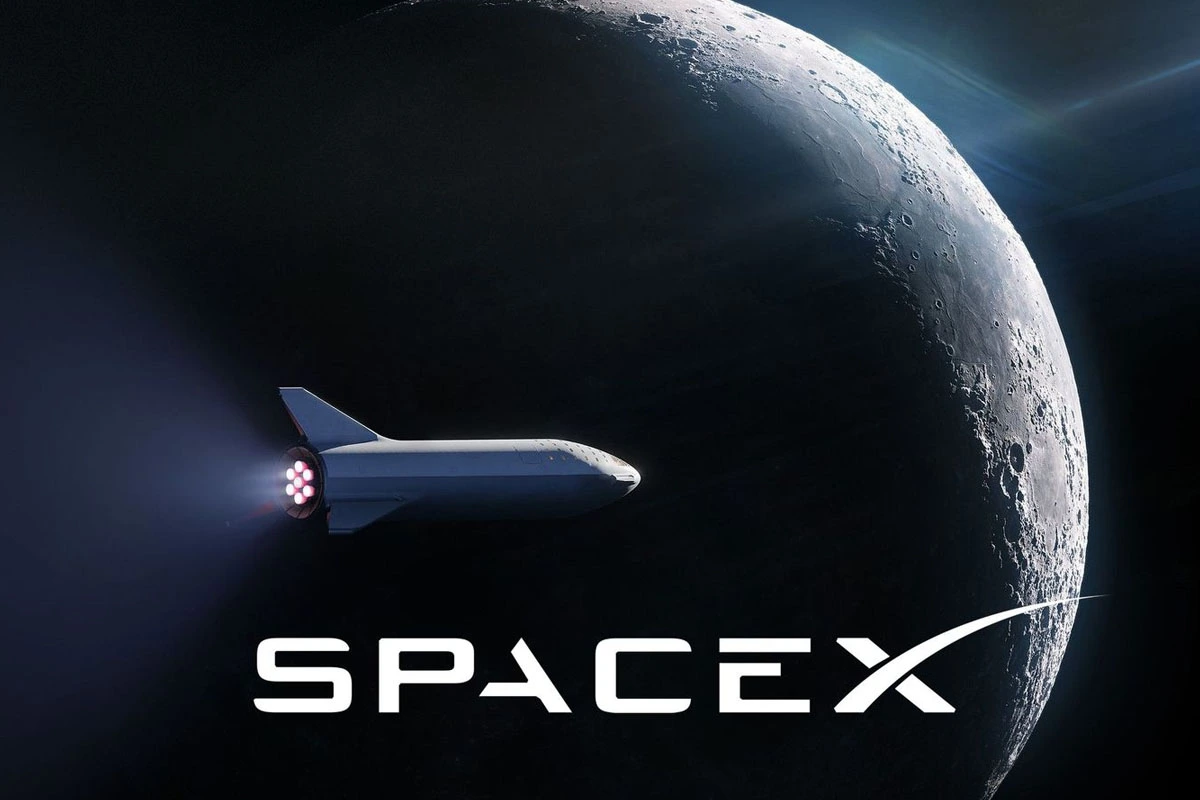
SpaceX also modified the Super Heavy booster
The Super Heavy will not be caught during this flight. SpaceX made new modifications after the issues recorded in the last tests.
In flight 13, the booster had difficulties reigniting its engines correctly after separating from the upper stage.
 SpaceX also modified the Super Heavy booster
For mission number 14, SpaceX incorporated “several modifications” of hardware and software to address issues detected during the previous flight.