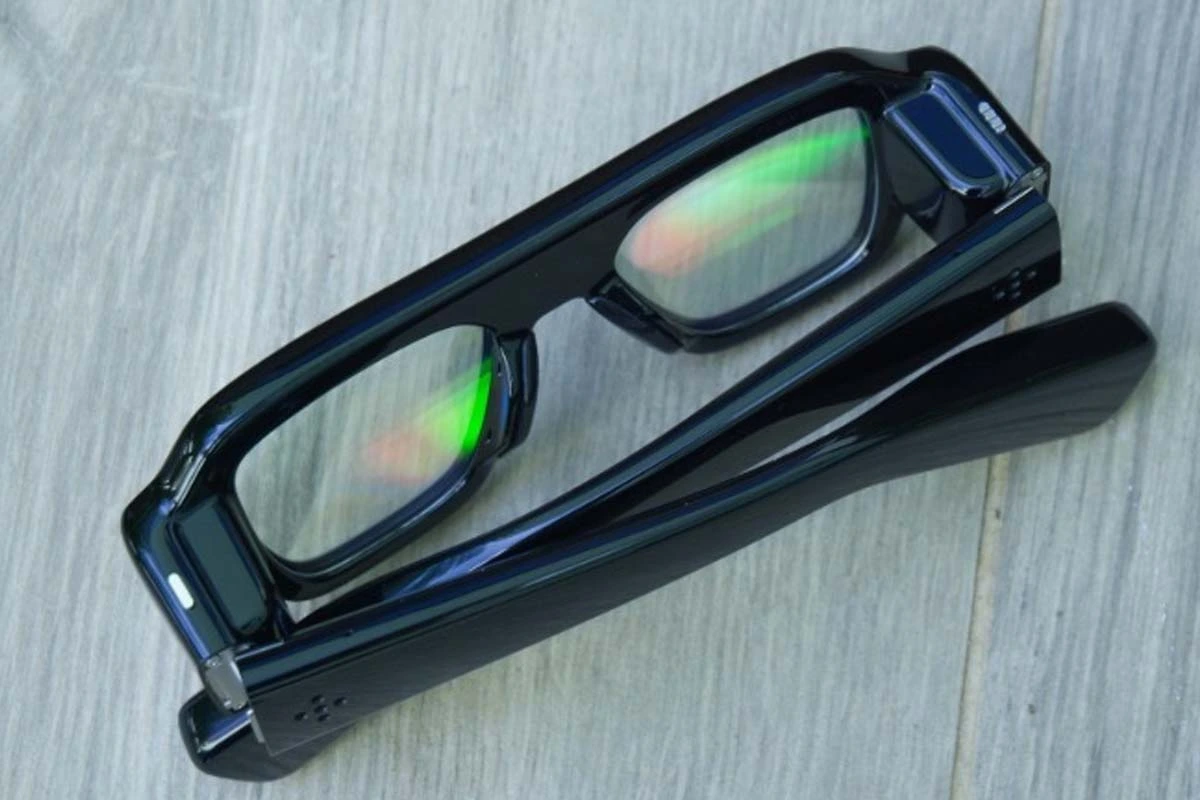
The device aims to offer functions similar to those of a mixed reality headset, but without cables, external controls, or mandatory accessories.
Specs are Snap's new augmented reality smart glasses
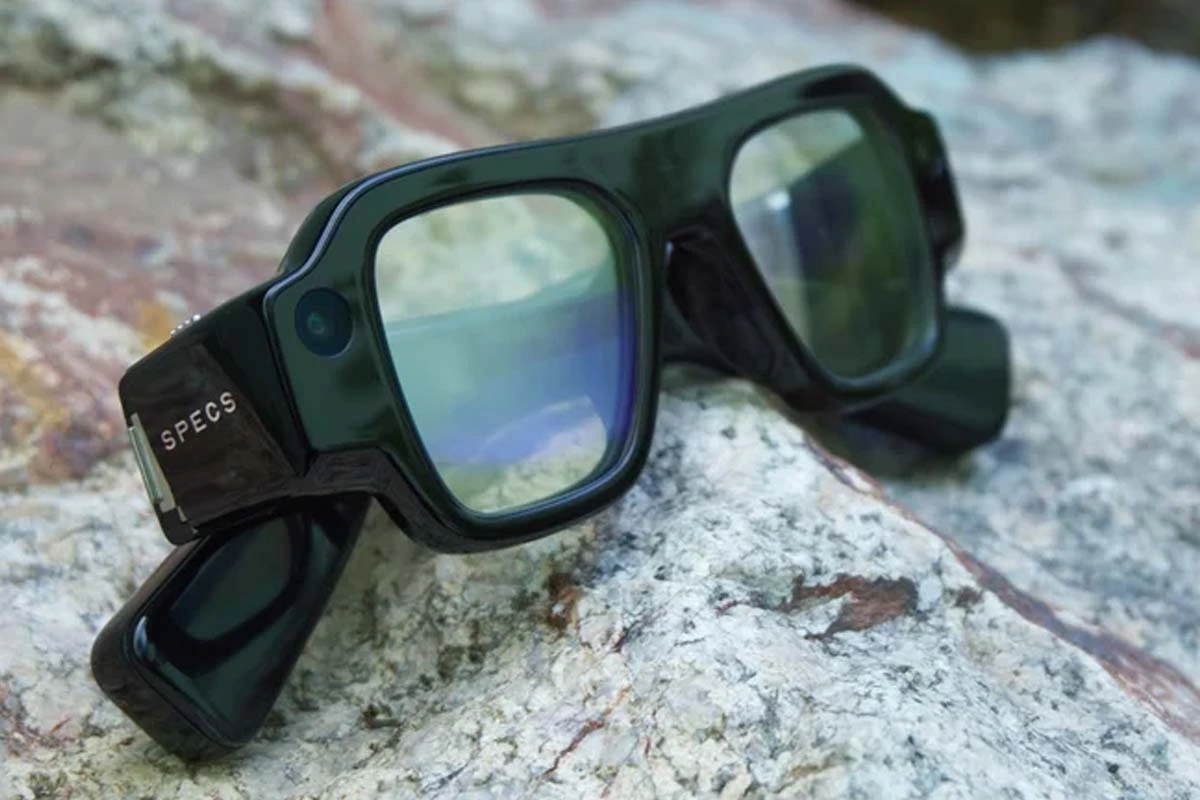
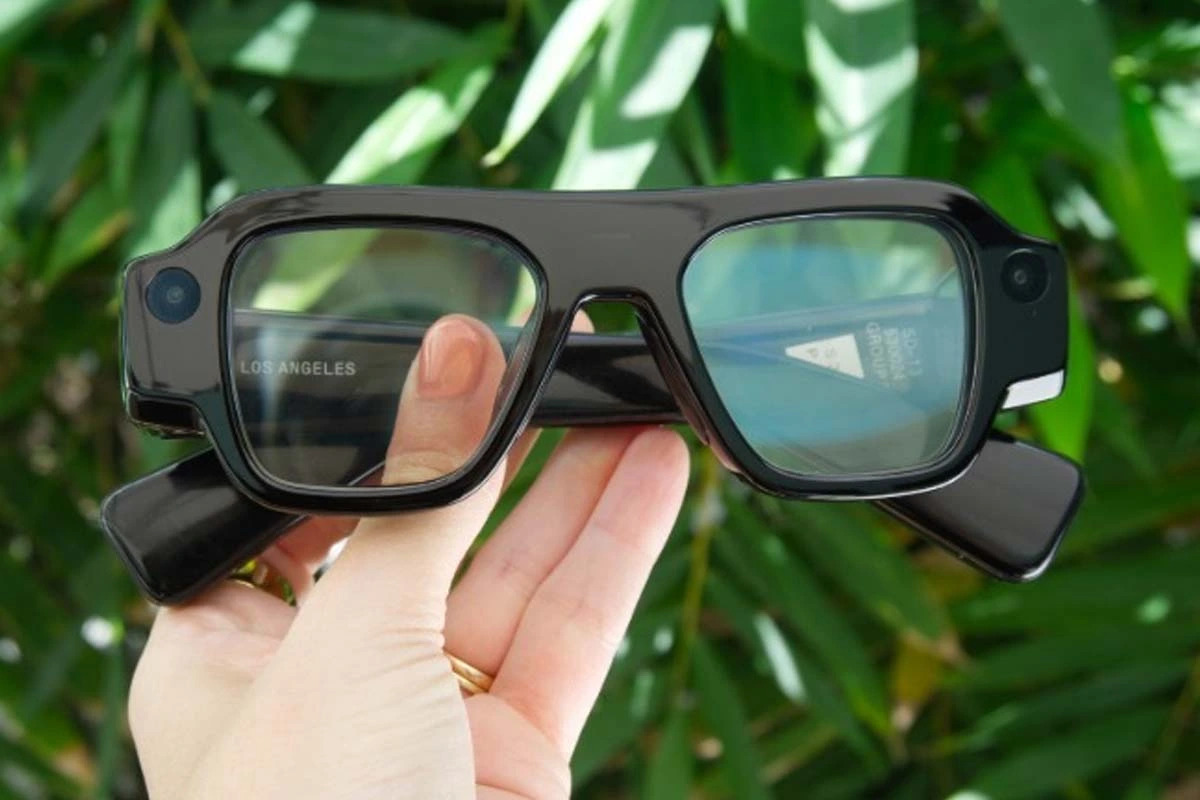
What the new Specs from Snap have
The Specs weigh 132 grams and are available in sizes of 47 and 52 millimeters. Their design is bulkier than that of other smart glasses, although the weight is evenly distributed.
During the test, the glasses remained secure and did not slide. The demonstration lasted approximately 20 minutes.
How the augmented reality of the Specs works
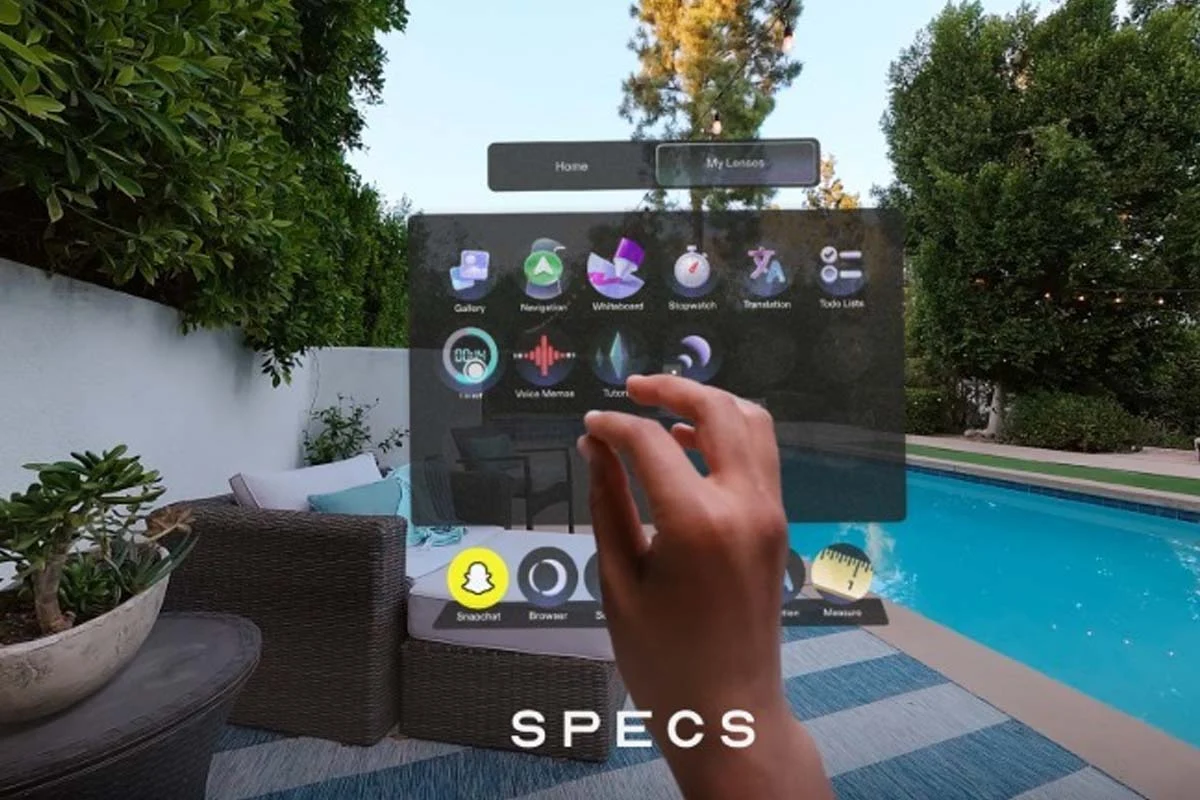
The Specs incorporate two cameras to recognize hand movements and control the interface. The user can move a cursor with their index finger and select options by pinching with their thumb and index finger.
How the augmented reality of the Specs works
They can also open their palm to access the main menu and other controls. The display was clear and offered a field of view of 51 degrees, although some content might be out of view.
One of the main improvements allows virtual windows to remain anchored while the user moves around a room.
Measurement: Snap includes a tool for measuring objects.
Whiteboard: allows for sketching and developing ideas.
Productivity: it is possible to open Google Docs and type with a Bluetooth keyboard.
They also allow sharing experiences between two people using Specs. During testing, it was possible to play a game of dominoes with another user.
Travel Mode and using Specs during a trip
The Specs incorporate a mode called Travel Mode to consume content while the user travels as a passenger.
Travel Mode and the use of Specs during a trip
The playback window follows the vehicle's movements instead of tracking head movements.
The feature was tested during a slow drive in a parking lot, so its performance on longer trips has not yet been detailed.
The function was tested during a slow drive in a parking lot
The battery and connectivity still raise concerns
Snap claims that the Specs offer up to four hours of battery with mixed use. However, during testing, it was not possible to determine how much power video, navigation, and augmented reality apps consume.
The arms of the glasses, where the Qualcomm processors are located, heated up after about ten minutes of use.
Additionally, some functions require a connection, which may limit their use without Wi-Fi or without sharing internet from the phone.