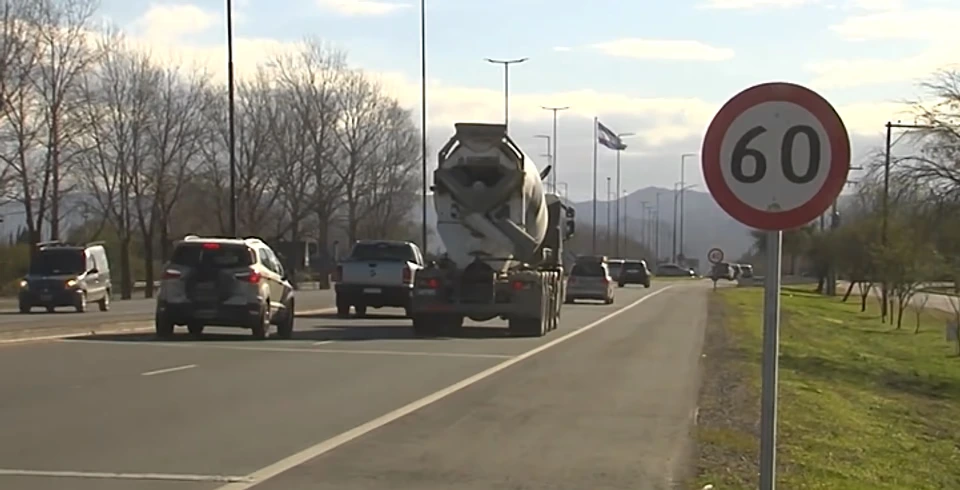
According to Crespo, the intention is to begin controlling and sanctioning speed violations once the training phase for personnel is completed.
During the first days, the radar also functions as a preventive and educational tool. The device shows drivers the speed at which they are traveling, with the intention of generating an immediate reaction before an infraction or, eventually, an accident occurs. “We are not issuing fines yet because we are in this training phase,” Crespo clarified.
Speed on Luchesse Avenue
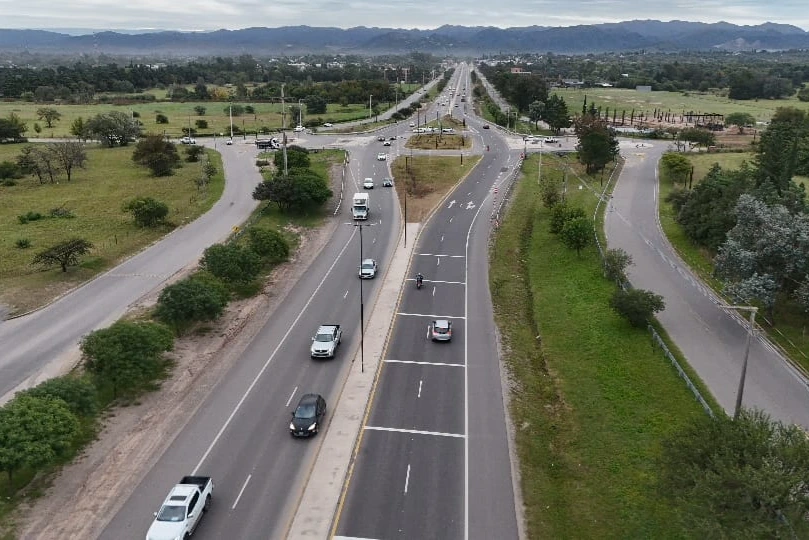
The problem is not limited to speed. The duplication of Padre Luchesse Avenue has increased traffic capacity and changed the characteristics of a road that crosses an expanding urban area. Residents have been demanding more traffic lights, speed bumps, and pedestrian walkways, due to the increase in traffic and the difficulties in making safe crossings.
In this regard, the municipality is working together with Caminos de las Sierras to analyze infrastructure solutions. Among the alternatives under study are the installation of traffic lights, macro roundabouts, turnarounds, and elevated pedestrian paths or crossings. The idea is for the radar to be just a first response while more extensive interventions are defined.
The discussion also raises a change in the approach to road safety. For Crespo, the avenue has already acquired characteristics of a urban avenue, due to the growth of neighborhoods, construction, and the number of people traveling daily through the area. According to data released by the official, around 15,000 vehicles pass through Luchesse daily.
Villa Allende and Speed Reduction
The challenge, therefore, goes beyond the placement of a radar. Villa Allende seeks to make speed reduction a habit and not just a reaction to a control. The combination of mobile radars, inspector presence, training, and future infrastructure works aims at a single goal: to reduce accidents and make an avenue that, with urban growth, has ceased to be merely a fast connection road and has become part of the city's daily fabric.
In this context, the radar appears as a prevention tool rather than a revenue-generating mechanism: to control, warn, and modify behaviors to prevent speed from becoming the factor that turns a traffic accident into a tragedy.