Steam added a feature that requires studios to report when they plan to release the final version of their games
Nuevo
Agregar La Derecha Diario en
Compartir:
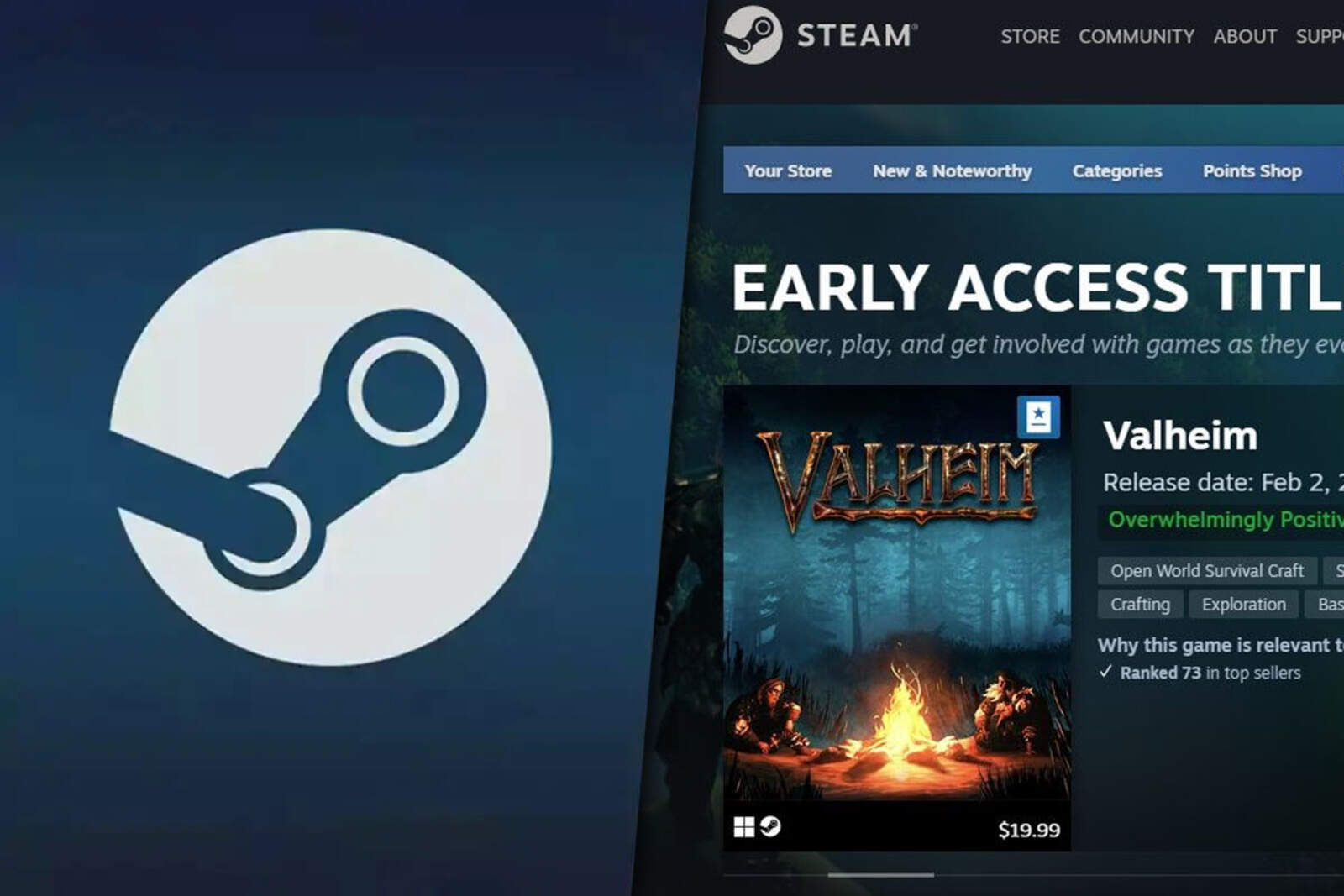
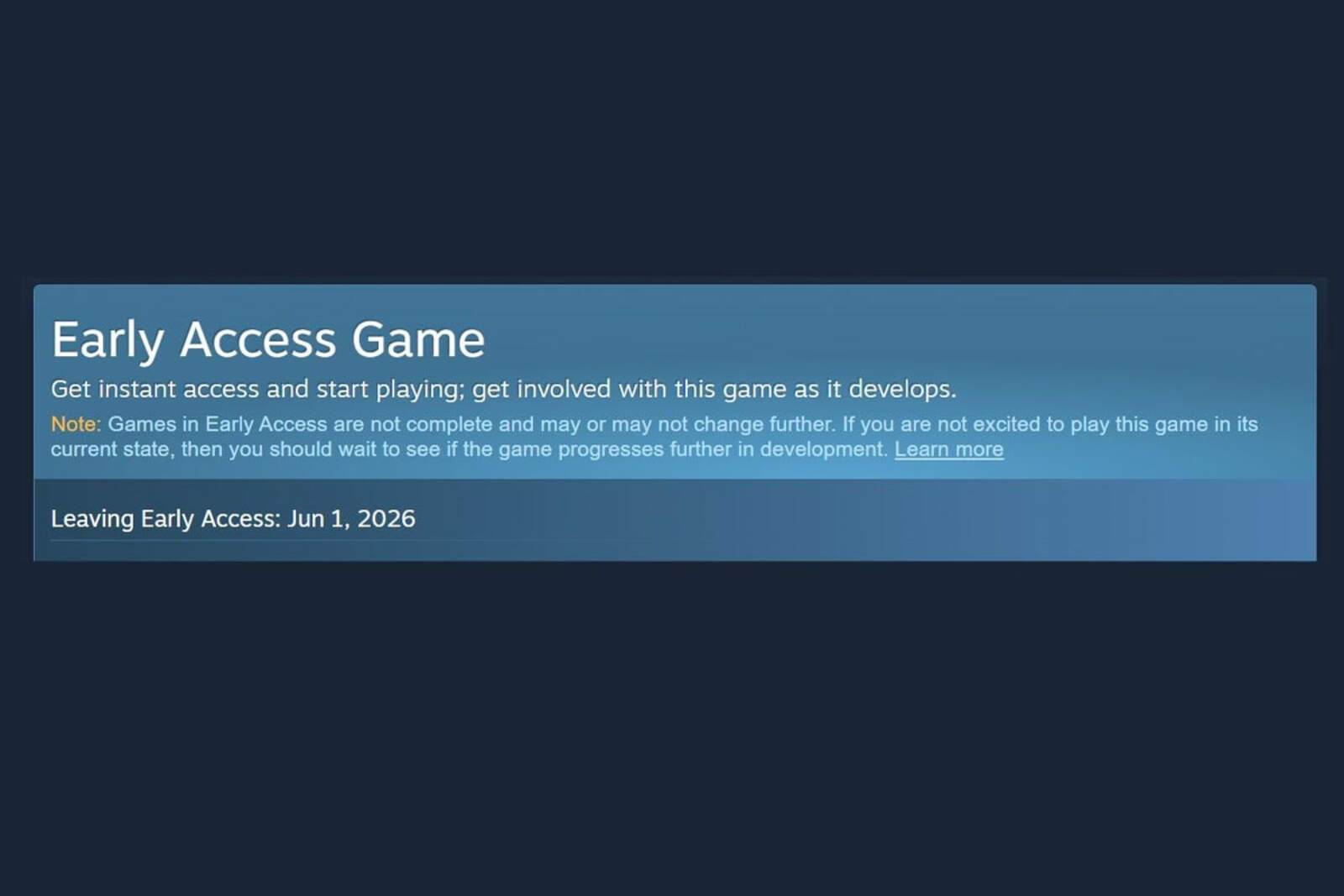
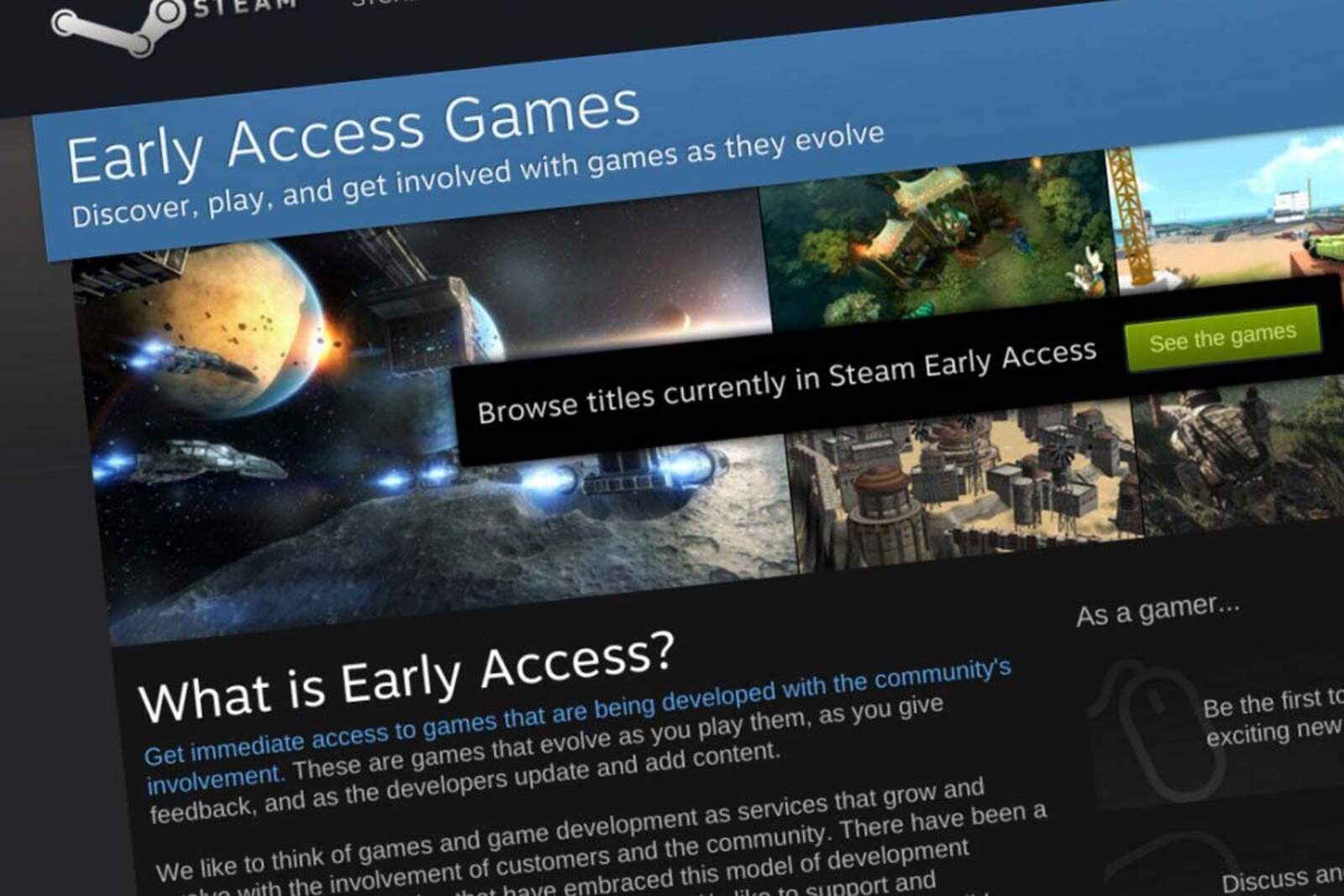
Steam introduced a key change to the early access system that aims to give players more clarity. From now on, developers will be able to (and will have to) clearly indicate when they plan to release version 1.0 of their games.
The measure seeks to reduce one of the community's main complaints: the uncertainty about how long a title will remain in early access before its final release.
Los cinco juegos más populares en ventas esta semana
What changes in the early access system
The new feature was incorporated into Steamworks, the developer tools platform. There, a specific field was enabled to detail the planned exit from early access.
Studios will be able to choose between providing a specific date or an estimated period, similar to what happens with games announced as "Coming soon".
More transparency for players
Once entered, the information will be visible on the game page within the Steam store. In addition, it can be integrated into the Steam Personal Calendar, a feature launched last year.
Qué cambia en el sistema de early access
From the platform, they explained that they had detected a significant gap: the step from early access to the final version was not clearly reflected as a release "event".
A long-standing demand from the community
Valve acknowledged that this information has always been one of the most sought after by users. Many players support early access projects without knowing whether development will take months or several years.
Un reclamo histórico de la comunidad
Until now, some studios shared this data informally, whether in descriptions, posts, social networks, or forums. The problem was the lack of a visible and official standard.
Recommendations and limits of the new feature
From Steam, they clarified that the use of this tool is optional. It is only available for games that are already for sale in early access. In addition, the company recommends setting dates only when there is a high probability of meeting them.
Announcing unrealistic time frames can generate frustration and affect the community's trust. In case of doubt, the suggestion is clear: wait before publishing an estimate. The objective is to improve communication, not to add unnecessary pressure to development.