
Recent history of Argentine soccer seems to confirm a repeated pattern: clubs linked to political or managerial power rise and succeed, while those that lose support sink into the lower divisions.
The case of Arsenal de Sarandí is the most eloquent. Founded in the 1950s, but only becoming a protagonist in recent decades, the club experienced its golden era under Julio Humberto Grondona, eternal president of AFA and historic leader of the Viaducto team.
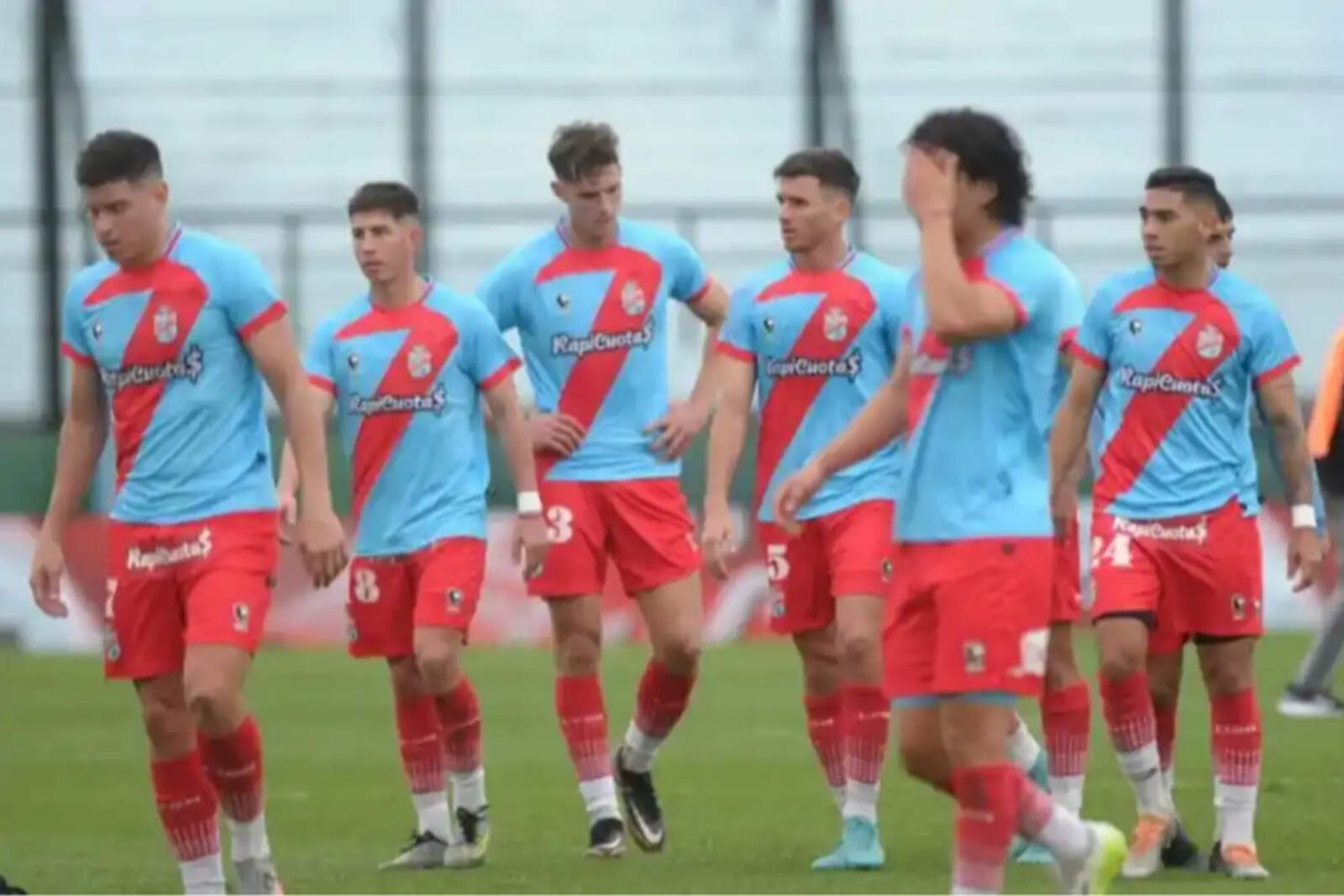
Under his influence, Arsenal achieved unthinkable milestones: champion of the 2007 Copa Sudamericana, winner of the 2012 Clausura and the 2013 Copa Argentina, among other achievements that made it a rarity in Argentine soccer. However, after Grondona's death in 2014, the protection disappeared. In just a few years, it suffered two almost consecutive relegations: from Primera to B Nacional and, recently, to B Metropolitana. The fall was as abrupt as its rise had been.
Meanwhile, the era of Claudio "Chiqui" Tapia at the helm of AFA brought a new power map, which is even more blatant. Historically relegated teams or those with little weight on the national stage found the fast track to the elite.
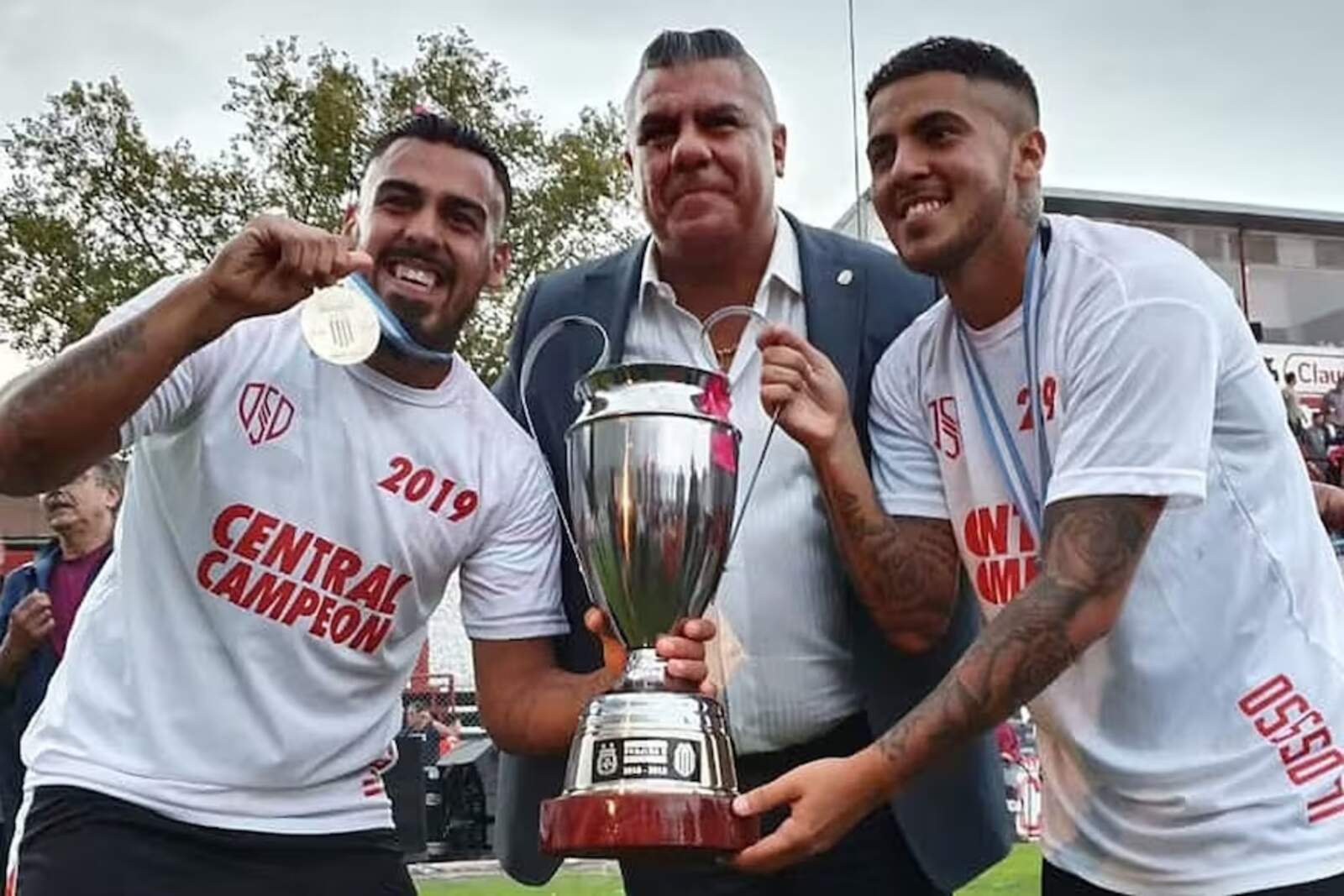
Barracas Central is perhaps the clearest example. El Guapo has direct family ties, Chiqui was president of the club, currently his son Matías Tapia holds his position and Iván, his other son, is a first team player. In sporting terms, it achieved promotion to Primera in a questionable manner, rising from B Metropolitana to B Nacional in 2019 and then to the top division in 2021 with many controversies along the way.
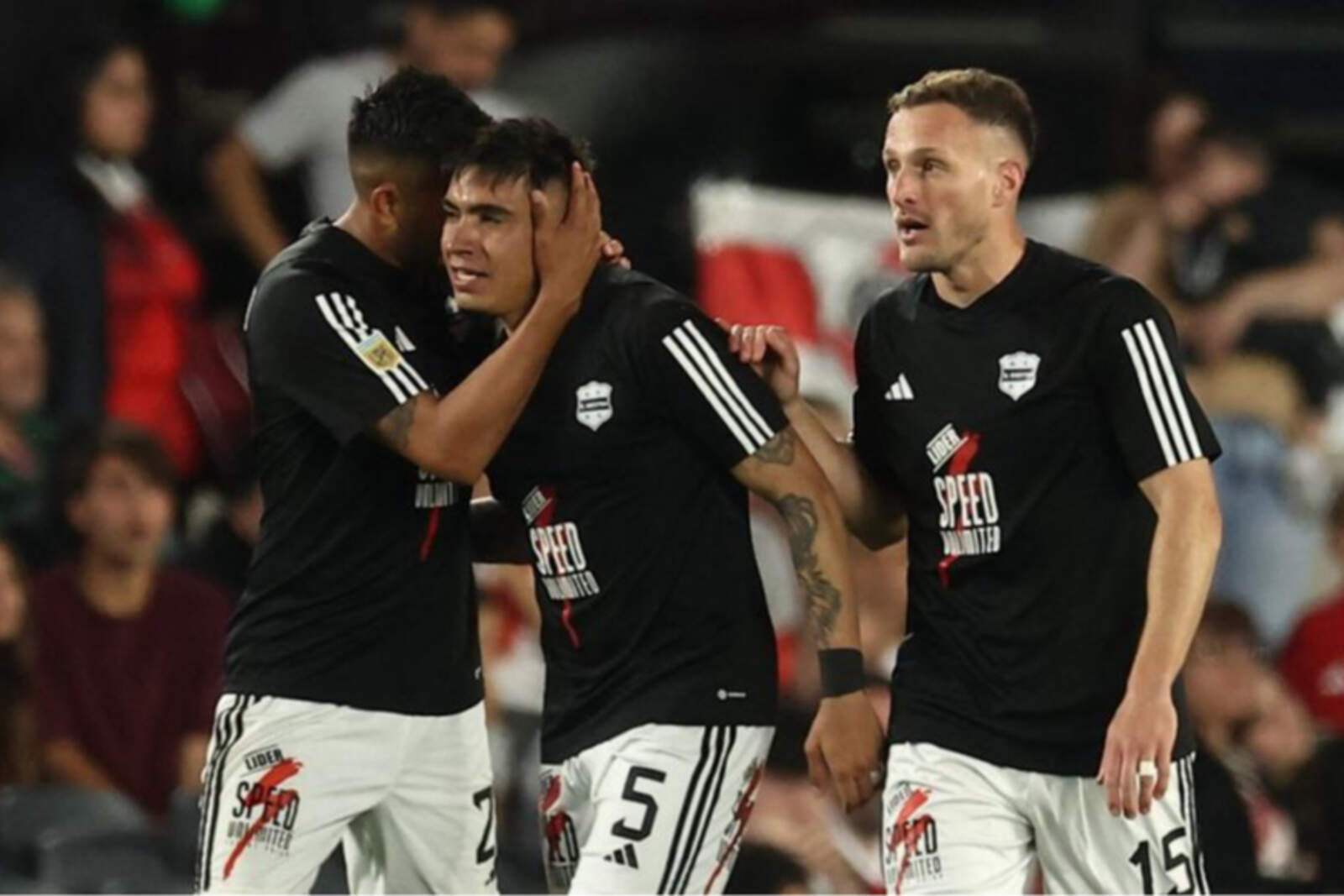
To make matters worse, today it is one of the leaders of its group in the Torneo Clausura and is entering the qualification for the Copa Sudamericana in the Annual Table.