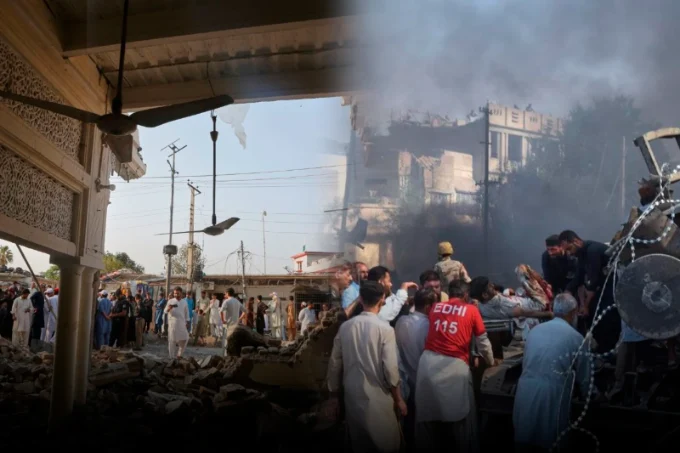
At least 21 people died and more than 100 were injured this Friday after a suicide car bomb attack against a mosque located within a police complex in the city of Kohat, in the Khyber Pakhtunkhwa province of northwestern Pakistan, authorities reported.
Among the deceased are 15 police officers and a four-year-old boy. The attack occurred around 1:15 PM local time, during Friday prayers. According to provincial police, a vehicle loaded with explosives rammed the entrance of the mosque, causing a powerful explosion.
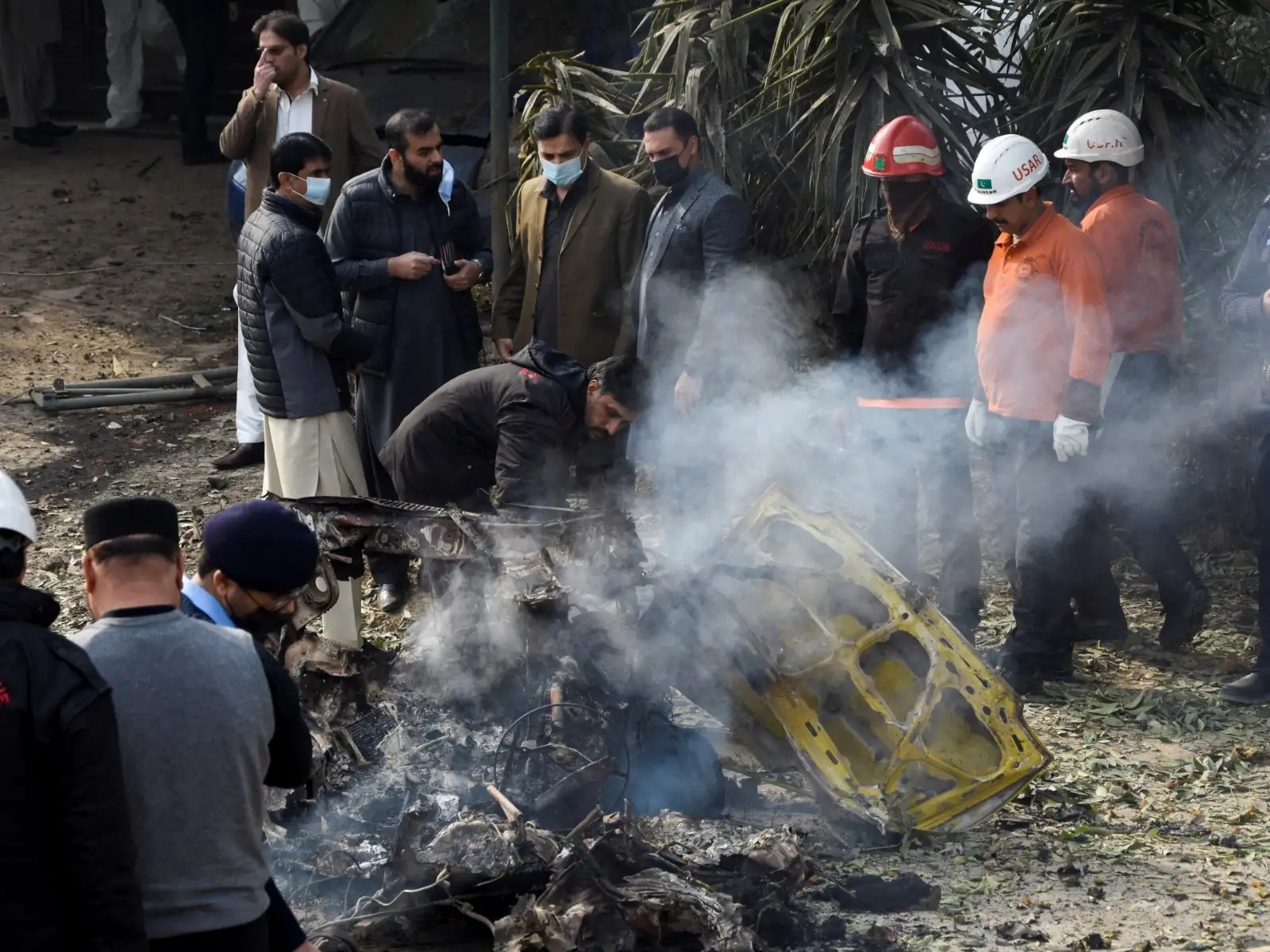
The attack also included an armed confrontation inside and around the police facilities. According to a spokesperson for the Khyber Pakhtunkhwa Police, at least six of the attackers died during the explosion and the subsequent shooting.
Several images showed the site covered in debris, while several people assisted the injured and transported victims after the explosion.
A suicide attack at a mosque in Pakistan left several dead and multiple injured, including children
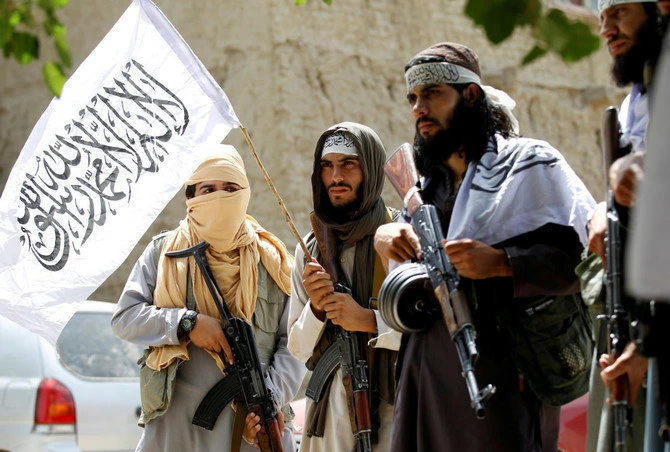
The Khyber Pakhtunkhwa Police indicated that a faction of Tehrik-e-Taliban Pakistan (TTP), known as the Pakistani Taliban, would be behind the attack. The police force stated on social media X that it is determined to thwart the plans of ''Fitna-al-Khawarij'', a term used by Pakistani authorities to refer to the TTP.
The Tehrik-e-Taliban Pakistan group was formed in 2007 with the aim of imposing a strict interpretation of Islamic law in Pakistan. The organization maintains links with Al Qaeda and the Afghan Taliban, although these groups have different structures and objectives.
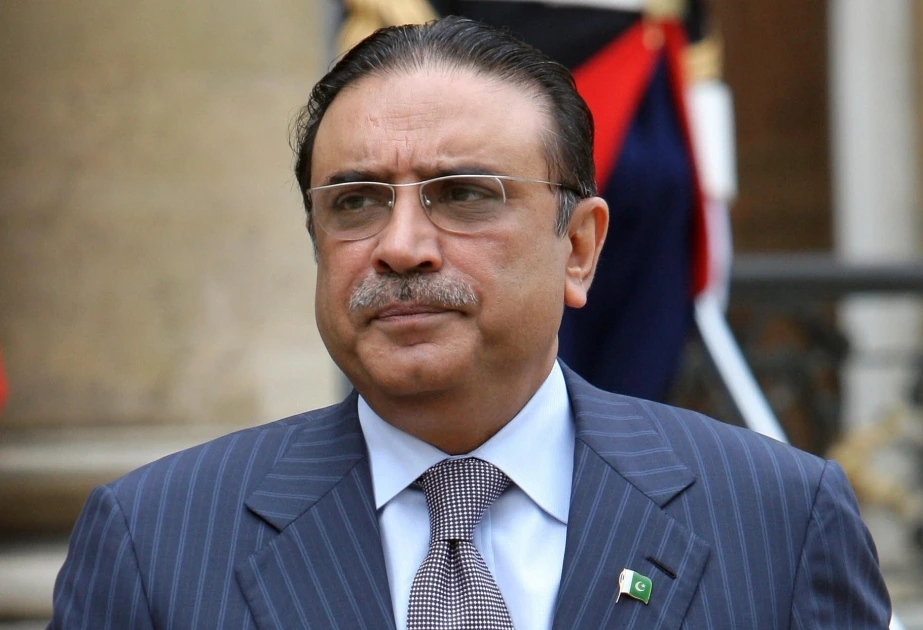
The President of Pakistan, Asif Ali Zardari, expressed his wishes for a speedy recovery for the injured and condemned the attack. In a statement, he called for the ''complete elimination'' of terrorists allegedly backed from abroad.
A terrorist group with strong connections to Al-Qaeda and the Afghan Taliban has been accused of carrying out the attack
The United Nations also condemned the attack. A spokesperson for Secretary-General António Guterres stated that the head of the organization ''strongly condemns'' the attack and emphasized that attacks against civilians and places of worship are unacceptable.
The attack occurs amid a surge in militant violence in the border areas of Pakistan. In recent months, various armed groups have intensified their attacks against military and police targets, especially in Khyber Pakhtunkhwa and other regions near the border with Afghanistan.
Pakistani authorities have repeatedly accused militant groups of using Afghan territory as a refuge to train fighters and plan operations within Pakistan. Islamabad maintains that the presence of these groups across the border poses a direct threat to national security.
The president of Pakistan condemned the events and called for the total elimination of terrorists
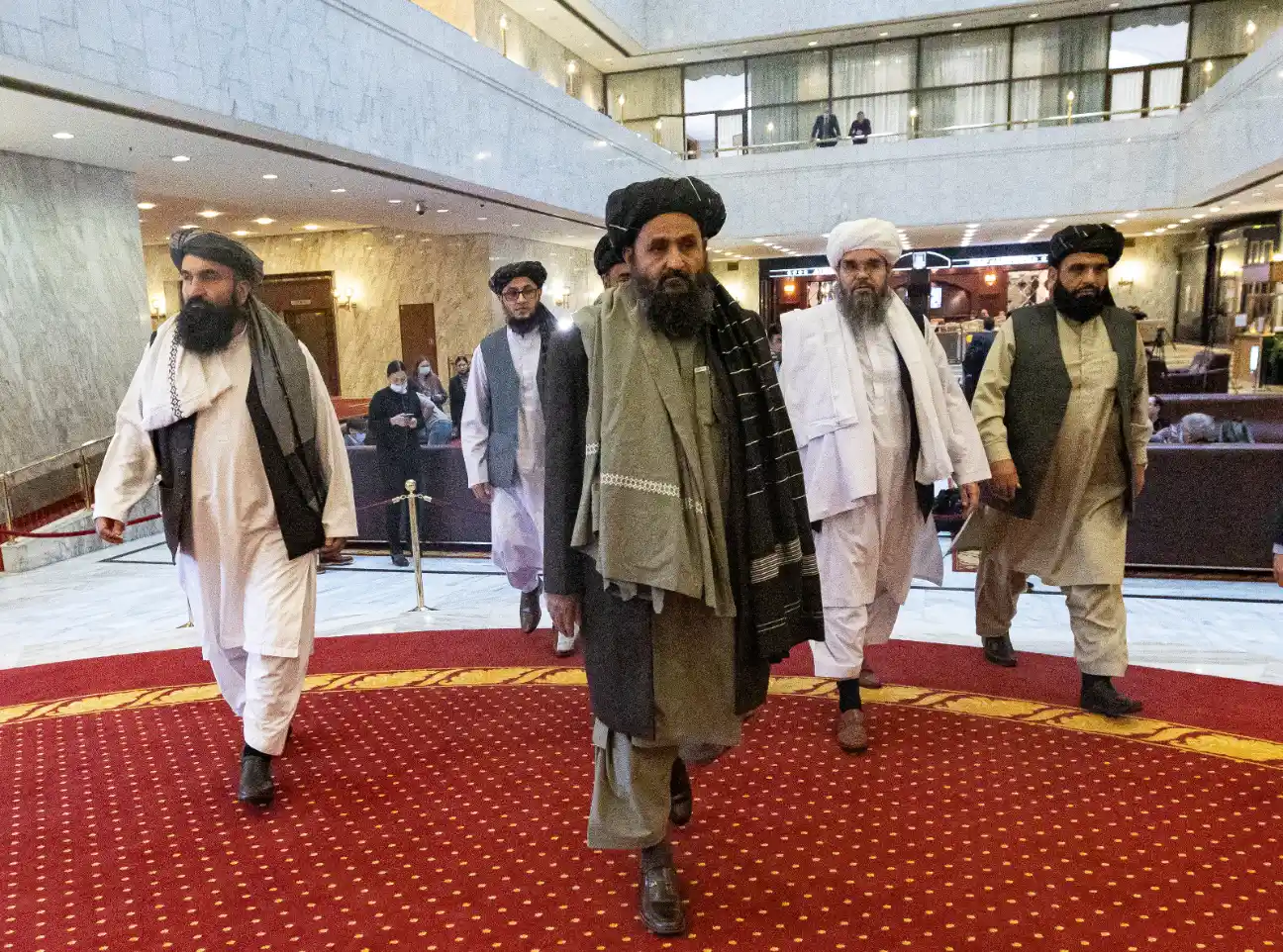
The Taliban regime in Afghanistan rejected these accusations and claims that militancy within Pakistan constitutes an internal problem that must be resolved by Pakistani authorities.
The governor of Khyber Pakhtunkhwa, Faisal Karim Kundi, stated after the attack that the province has made ''immense sacrifices'' in the fight against terrorism.
The attack also comes after other attacks attributed by Pakistani officials to the TTP. In February, authorities pointed to the group as responsible for a series of attacks, including a suicide bombing against a Shia mosque in Islamabad that left more than 30 dead.
The Taliban regime denied any involvement or influence in the rising acts of violence in Pakistan