The highest court confirmed the extension of the measure for the investigation into alleged criminal organization. Meanwhile, the Presidential Pardon Commission has not yet decided whether to recommend a possible pardon for the former president
The Supreme Court of Peru confirmed the extension of preventive detention against former president Pedro Castillo, who will remain in custody until March 2027 while the investigation into his alleged participation in a criminal organization continues. The highest court considered that the risks of flight and obstruction of the investigation persist, thus reaffirming the measure previously adopted by lower courts.
With this ruling, Castillo will continue to be incarcerated while facing various judicial processes related to alleged acts of corruption that occurred during his government. The investigation into the criminal organization adds to the conviction he already received for the attempted coup d'état in December 2022, although both cases are being processed separately.
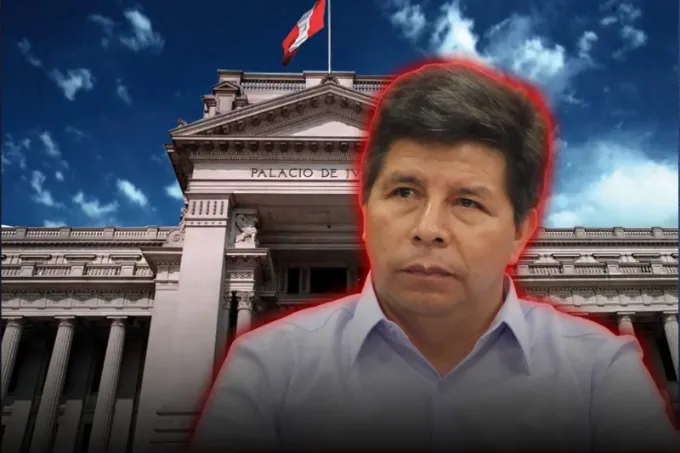
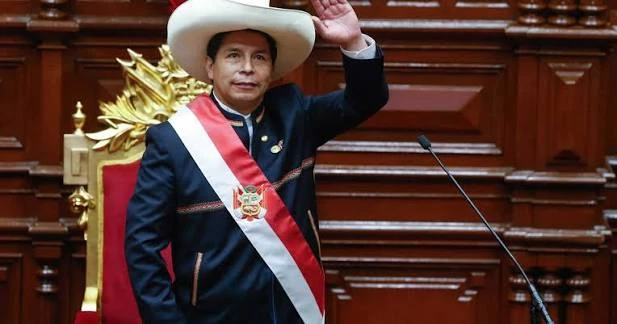
Former president Pedro Castillo
Meanwhile, expectations continue for a possible presidential pardon. The interim president of Peru, José María Balcázar, had indicated that a decision regarding the request presented by the former president's defense would be known between Tuesday and Wednesday. However, the Presidential Graces Commission did not meet, and so far, has not issued any recommendation regarding the case.
The delay keeps the uncertainty regarding Castillo's immediate future. According to Peruvian legislation, any potential pardon requires a prior report from the Presidential Graces Commission before the head of state can make a definitive decision. The absence of a meeting of the body further delayed the analysis of the case and prolonged the expectations of both the defense and the former president's supporters.
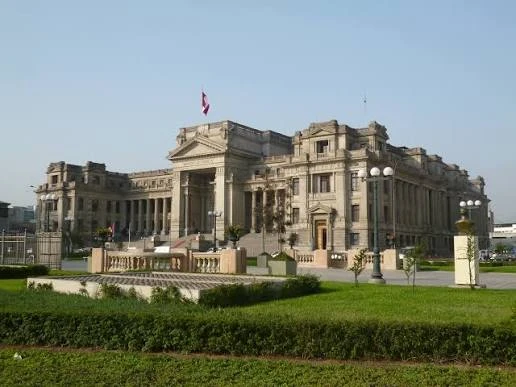
The Peruvian Supreme Court
In the meantime, the former president will remain deprived of his liberty by judicial order. His lawyers have insisted on requesting measures that would allow for his release, while the Prosecutor's Office maintains that there are sufficient elements to keep the preventive detention due to the complexity of the case and the procedural risk that, it claims, continues to exist.
The Supreme Court's ruling represents a new setback for Castillo's judicial strategy and leaves any possibility of regaining his freedom in the short term in suspense, awaiting the Presidential Graces Commission to finally issue a statement regarding the pardon request presented by his defense.
Additionally, the judicial process will continue in the coming months with new proceedings and hearings scheduled by the Peruvian authorities.