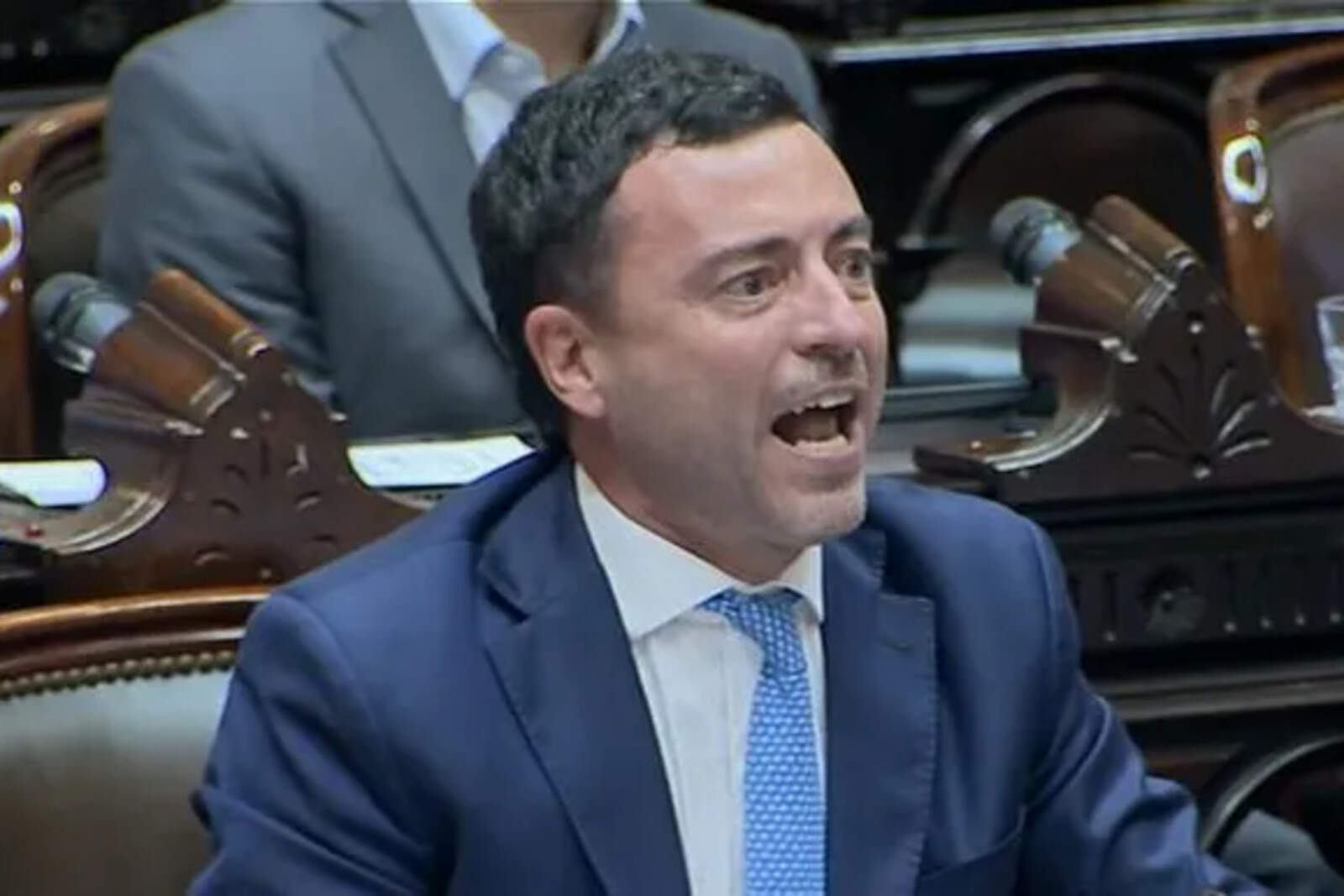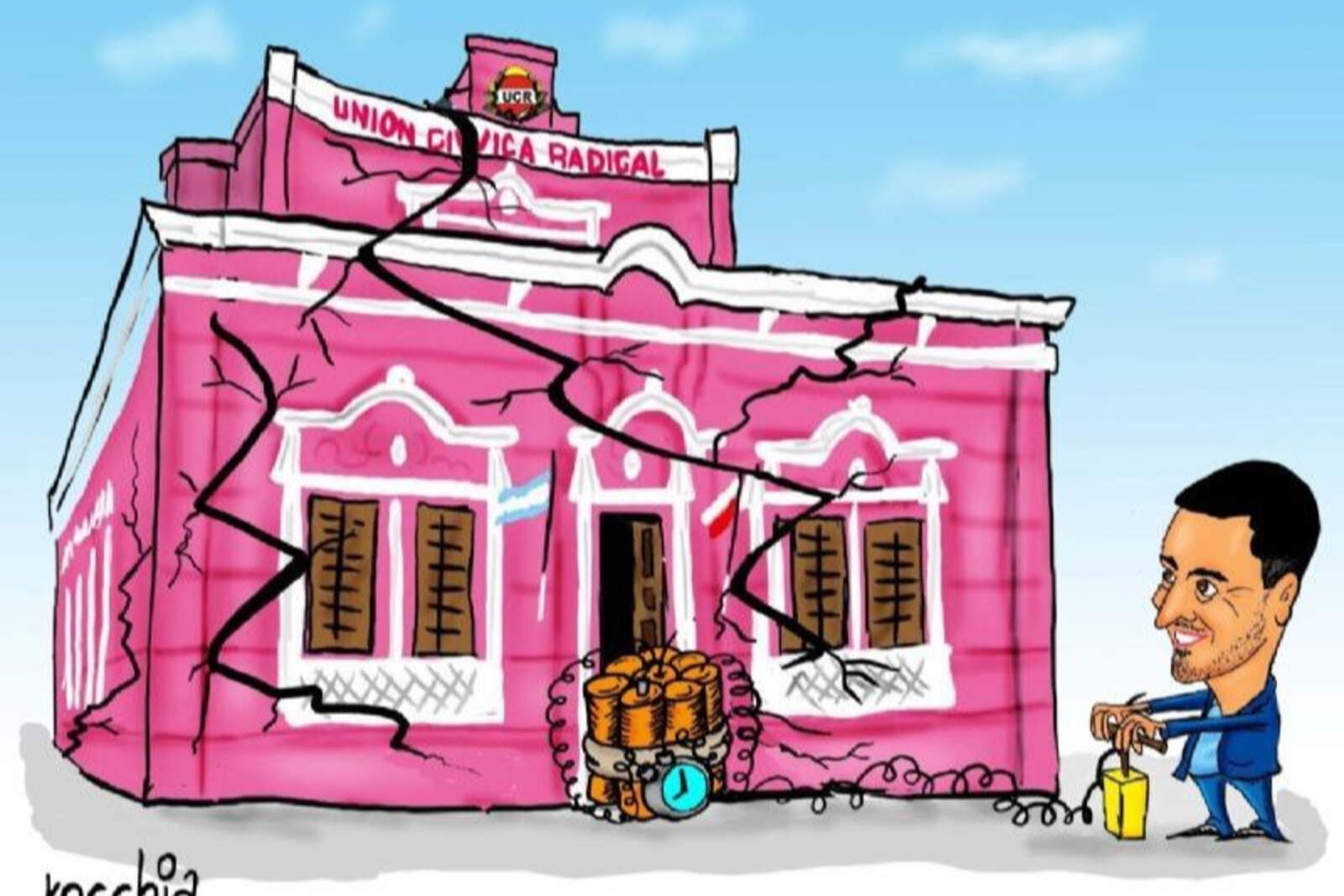

Life in politics can be fleeting or perpetual, depending on the intentions, abilities, and opportunities of each political actor. There are multiple examples that demonstrate each of these two periods of durability in the public sphere. Generally, as President Milei has already stated on various occasions, the politician seeks to live eternally at the expense of the average citizen.
Many times, in order to achieve this goal, the politician doesn't hesitate to resort to unscrupulous strategies that lead to the total loss of various values: integrity, morality, defense of ideas, loyalty to a party and to the electorate, keeping one's word, etc.
In this sense, the realization of this immoral transformation occurs or accelerates when electoral contests begin to approach on the political calendar, and this process intensifies when public offices (or their renewal) are at stake. On many occasions, there is even a pursuit of the forced establishment of electoral alliances between ideologically dissimilar parties in order to achieve a good result at the polls.
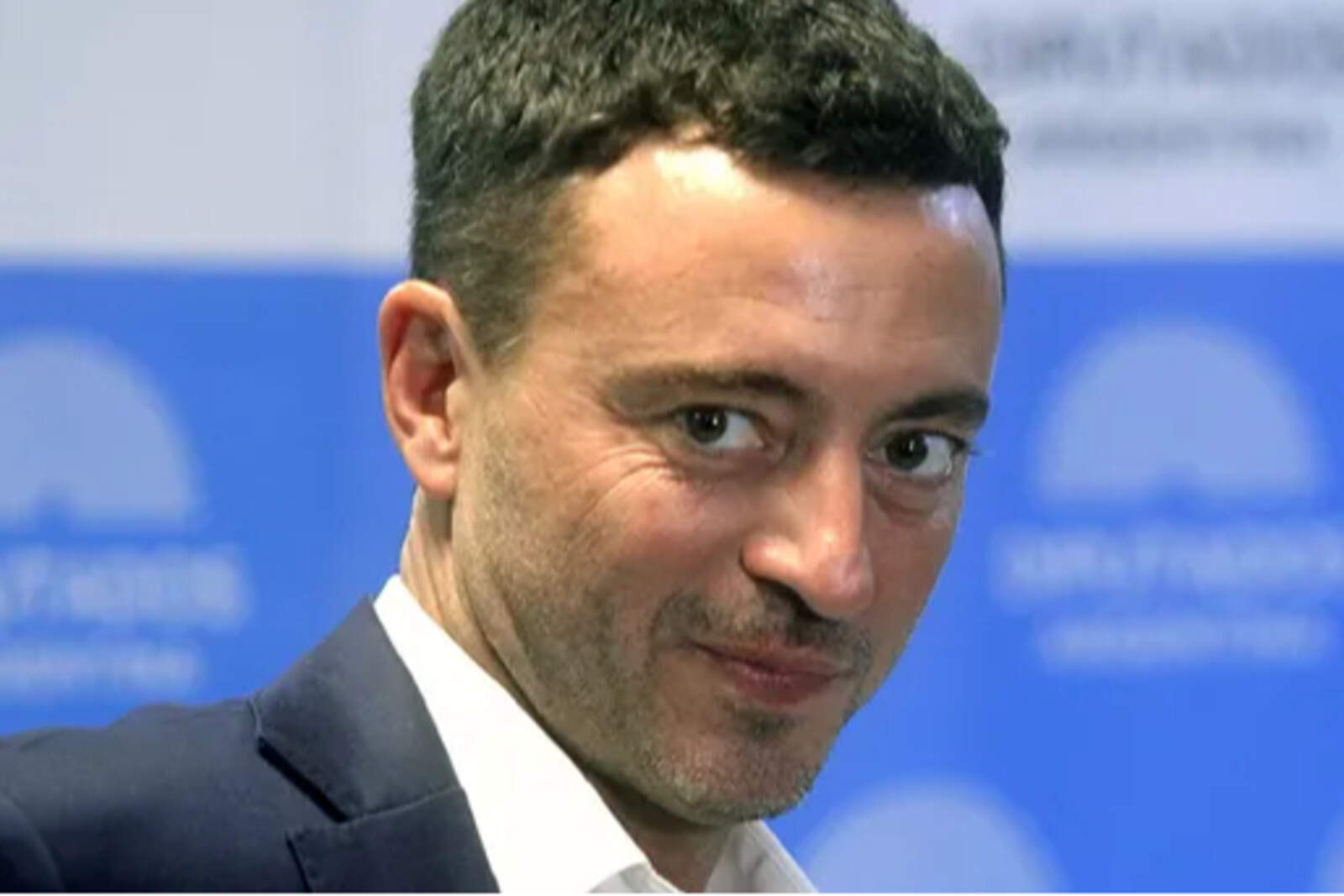
The De Loredo Case
The politician only thinks about winning elections. A particular case that reflects all these questionable principles is that of Rodrigo De Loredo. Of radical origin, this ambitious legislator managed to pave his way to political success through controversial maneuvers and ways of proceeding.
In his background, sponsored by his father-in-law Oscar Aguad (whom he would betray years later in an attempt not to lose his own public office as president of ARSAT, forever destroying the close relationship he had with his father-in-law, in a miserable attempt to undermine him), De Loredo managed to overcome various obstacles through disloyal shortcuts that facilitated his rise to power.
In fact, it was thanks to his personal relationship with his father-in-law that he was able to avoid the traditional postponement by radicalism so that its own political cadres (generally the youngest in the party) could access public office: contrary to this "custom" of the "boinas blancas," in 2011 a young Rodrigo De Loredo obtained a seat in the Córdoba Legislature at just 31 years old. This was quite a novelty for the centennial party in terms of its permissiveness with its own members to obtain an early elective office.
By 2019, De Loredo had to settle for being elected as Councilor of the City of Córdoba (a position he resigned from, dishonoring the citizen mandate for which he was elected) after failing to achieve another ambitious political project that same year: becoming mayor of that city.
The funding for that campaign literally left him ruined, owing millions in promised advertising payments to local media outlets that acted as his propaganda mechanisms. This debt would be settled in 2021, with money that Emiliano Yacobitti contributed to his campaign as a candidate for National Deputy for Juntos por el Cambio.
It is worth remembering that De Loredo would end up betraying his patron some time later by cultivating a close relationship with former President Macri, with whom Yacobitti has a terrible relationship.
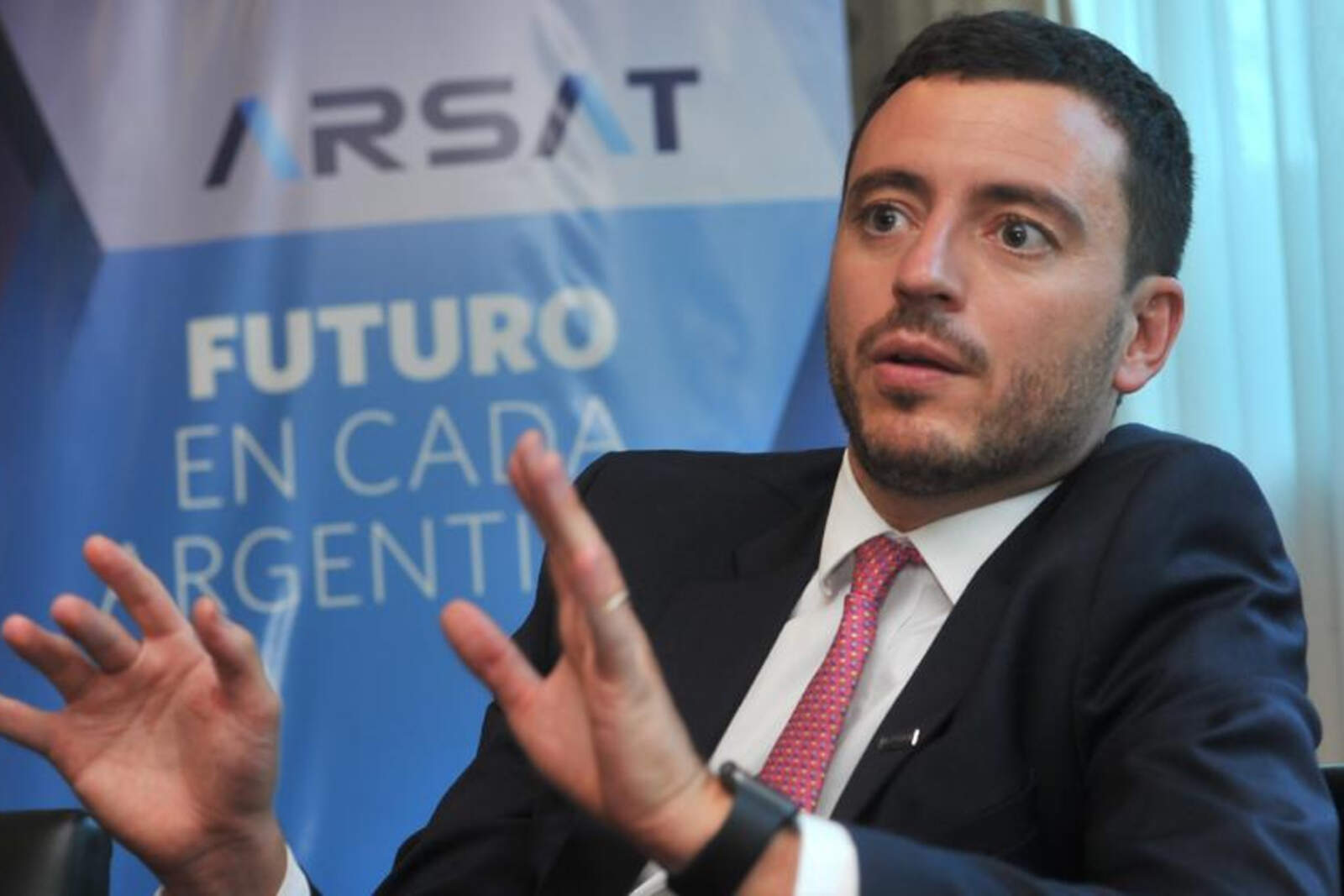
Today, the radical legislator faces the situation of seeking the renewal of his seat in Congress. This scenario presents itself to him at a decadent moment for radicalism in terms of voting intention: on average (according to most polls), only 5% of the electorate would be willing to support the centennial party at the national level.
Aware of this electoral starvation on the part of his own party, De Loredo has conveniently established a certain closeness with the national government since last year, willing to "build bridges" (collaborating, strategically and for his own benefit, with some policies and parliamentary projects promoted by La Libertad Avanza) that ensure the realization of a surreal and evident intention, which is increasingly difficult for him to conceal: the establishment of an electoral alliance between La Libertad Avanza and the UCR, with him heading the list of candidates for National Deputies for the province of Córdoba.
This is the scenario De Loredo dreams of in order not to be condemned to political ostracism, having to give up competing solely under his party's banner to avoid the shame of inevitably finishing in fourth place in his own province, especially considering his desire to run for governor in 2027.