The creators of the highly anticipated metroidvania explained that the level of challenge corresponds to the new character's power and the freedom of exploration
Nuevo
Agregar La Derecha Diario en
Compartir:
After its release on consoles and PC, Hollow Knight: Silksong was met with enthusiasm, but also with intense debates regarding its high level of difficulty. Ari Gibson and William Pellen, co-directors of Team Cherry, replied by stating that the game's complexity is a conscious decision.
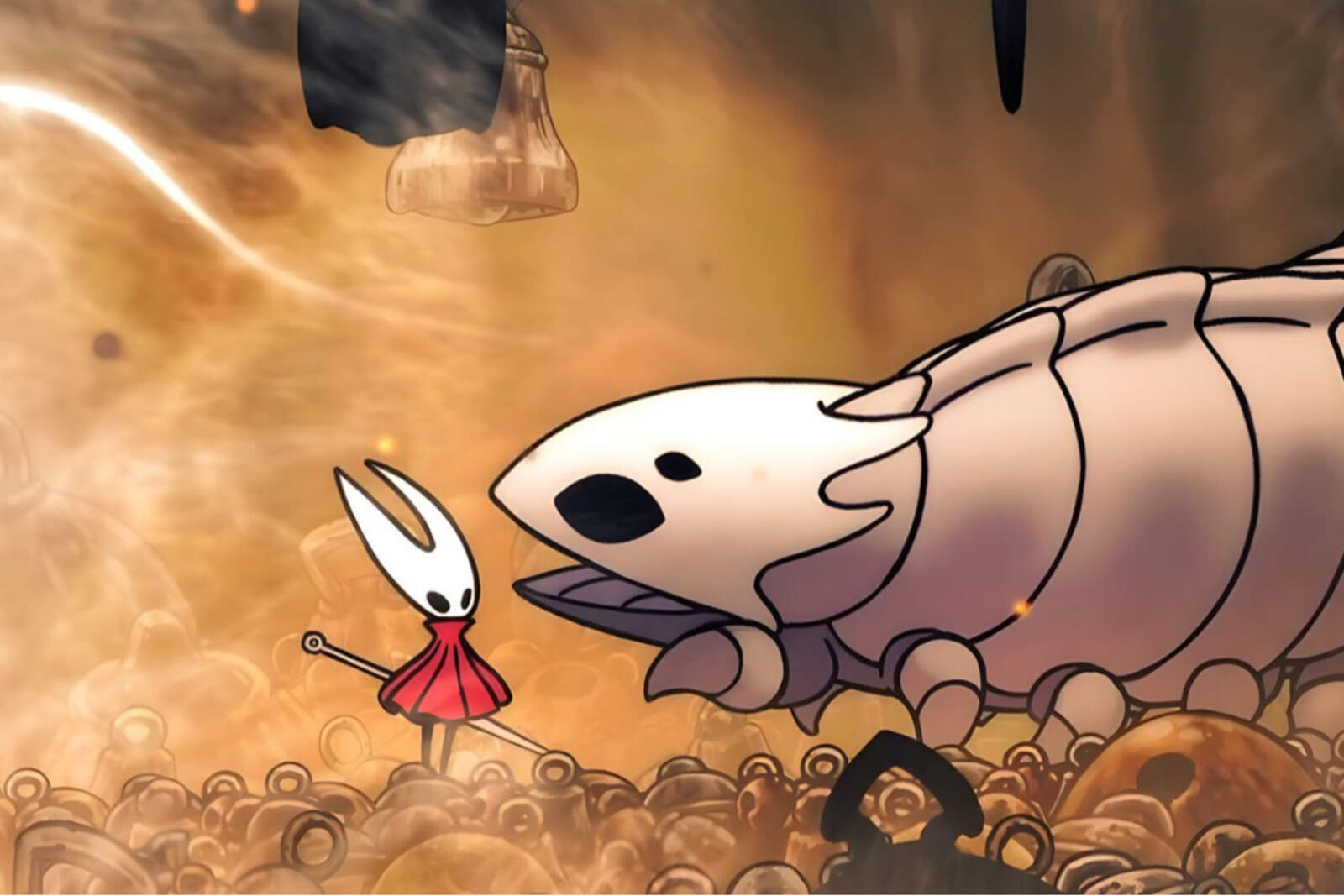
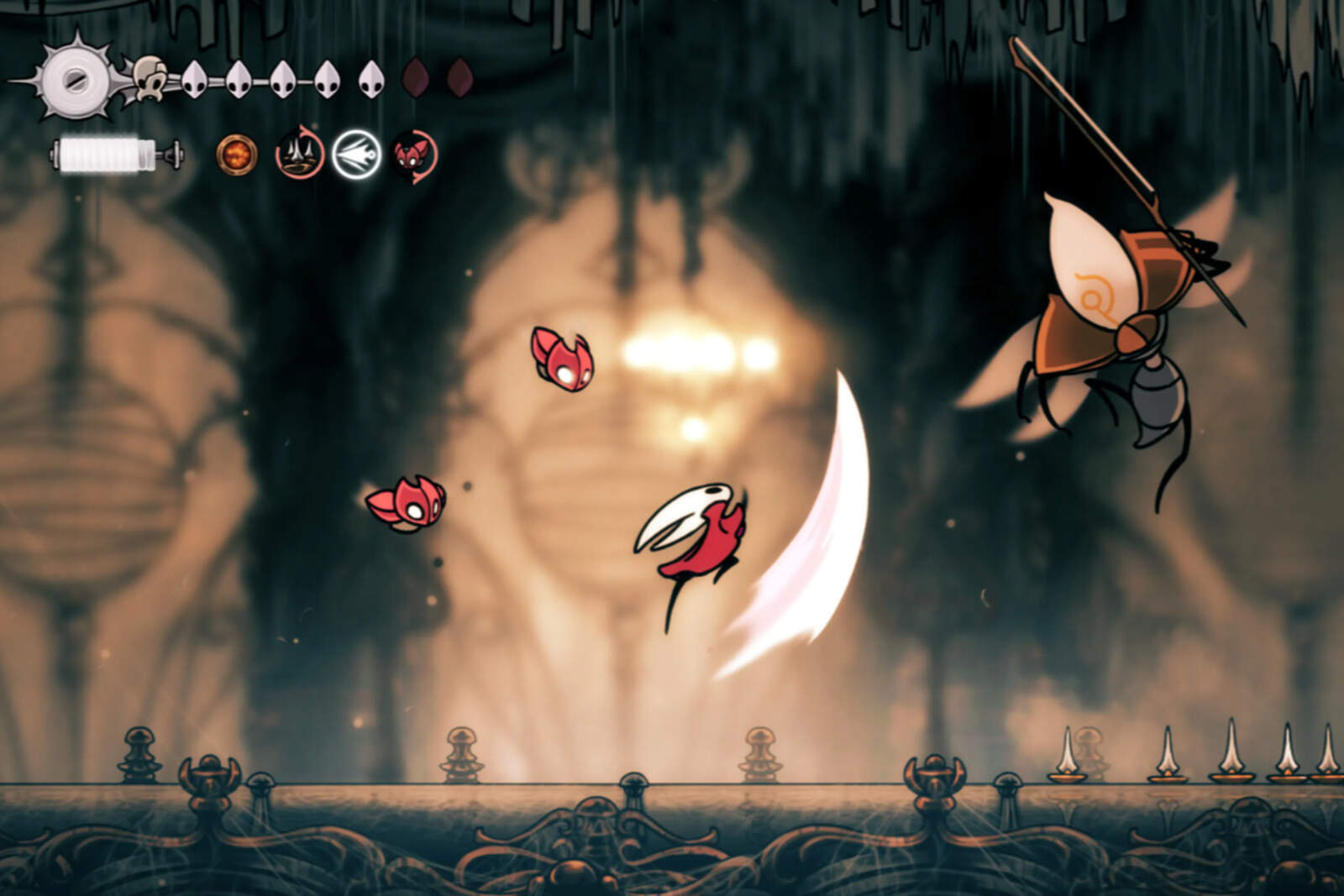
The main reason lies in the new character, Hornet, who is much more agile and powerful than the Knight from the first installment. This forced the developers to redesign the enemy AI, even for the most basic foes. A concrete example is the "ant warrior," which uses combat patterns previously reserved only for bosses. The goal, they assure, was to balance the protagonist's power with a hostile and challenging environment.
Post-launch adjustments
Players' complaints did not go unnoticed. Team Cherry released a patch that smooths out the most abrupt difficulty spikes, introducing changes in accessibility and adjustments to the learning curve.
Team Cherry responde a las críticas por la dificultad extrema en Silksong
Among the measures are the possibility of using alternative resources to face bosses, the inclusion of contextual hints, and modifications to the phases of more complex enemies. Gibson and Pellen clarified that their intention is not to "lower the difficulty," but to maintain a motivating challenge that avoids excessive frustration.
An accessible yet demanding challenge
The studio emphasized that it doesn't want Silksong to become an inaccessible experience. For this reason, the changes aim to offer alternatives for less experienced players without compromising those who enjoy a high level of challenge. Team Cherry's philosophy remains to propose a constant challenge that rewards both skill and knowledge of the game world.
Team Cherry responde a las críticas por la dificultad extrema en Silksong
Community reactions
The gaming community is divided. Many celebrate the commitment to a high level of difficulty, noting that it is part of the essence of the metroidvania genre. Others, however, believe that the initial challenge may drive away players interested in the story and exploration, but not in investing dozens of hours perfecting combat mechanics.
Silksong has thus become a case study on how difficulty design impacts accessibility. Team Cherry's response also demonstrates a growing trend in the industry: developers are paying closer attention to feedback and seeking to balance challenge, accessibility, and player satisfaction.