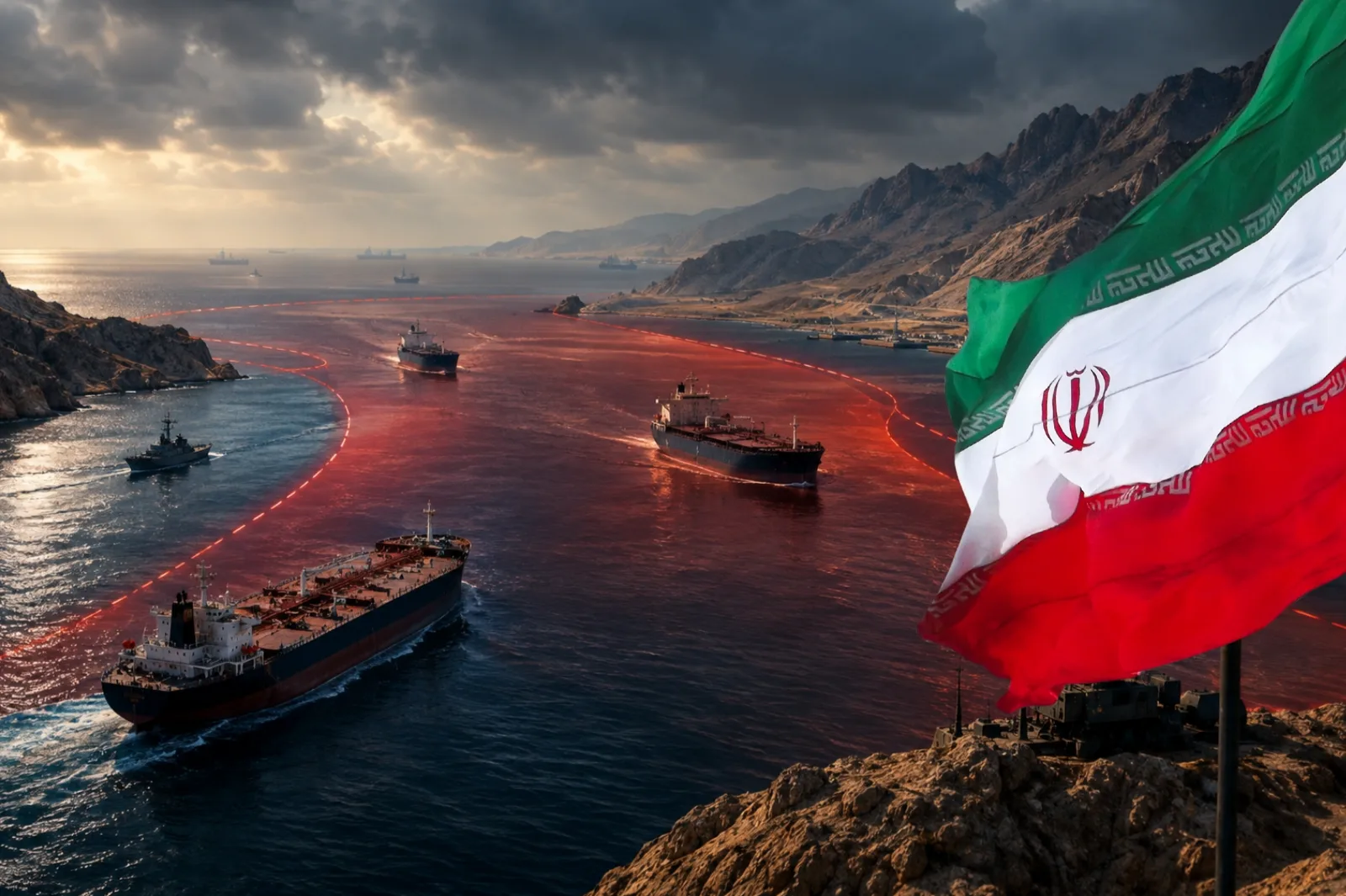
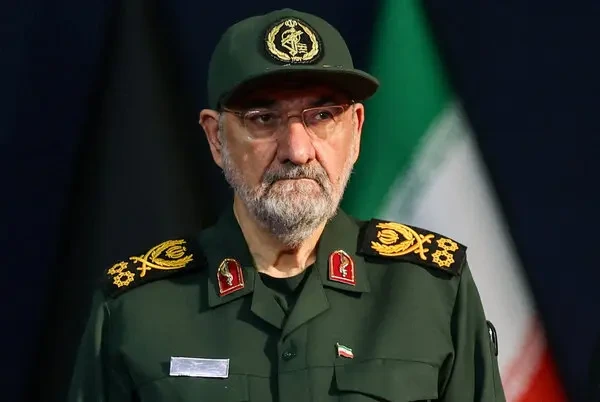
The Iranian regime announced this Sunday that it will establish a restricted navigation zone in the vicinity of the Strait of Hormuz, increasing pressure on one of the most important maritime corridors for global energy trade. The measure was communicated by General Mohsen Rezaei, secretary of the Iranian Supreme National Security Council, who warned that any vessel entering the area with the intention of crossing the strait will be identified and added to a sanctions list by Tehran.
During a television interview, Rezaei explained that the new exclusion zone will extend from the point where the U.S. Navy currently maintains its blockade line towards sectors of the Persian Gulf, including areas close to the strait. "In the coming days and weeks, we will announce a restricted zone outside the Strait of Hormuz," the official stated.
The Strait of Hormuz connects the Persian Gulf with the Gulf of Oman and constitutes a strategic route for international energy transport. Any significant disruption of maritime traffic could have serious consequences for oil markets and for supply chains that depend on Gulf-producing countries.
A general of the Iranian Armed Forces announced a restricted navigation zone in the Strait of Hormuz, threatening to impose sanctions on vessels that challenge it
Rezaei also stated that the strait is completely under the control of the Iranian armed forces and rejected U.S. claims that maritime transit remains open. "It is completely closed and under the control of the armed forces," he asserted, calling the U.S. version of the situation a "great lie."
The official provided figures to support his description of the deterioration of traffic. He claimed that before the closure, more than 100 vessels crossed the strait daily, transporting over 100 million tons of cargo. Currently, according to his account, only between seven and eight ships are crossing the area, mainly to transport products considered essential for Iran.
Rezaei also accused Washington of attempting to introduce vessels through the restricted zone. According to the Iranian leader, the United States is trying to send between five and six ships through costly operations, and some of those vessels have reportedly been attacked. However, he did not provide details about the ships involved or identify those responsible for the incidents.
Despite the threats, the official explained that Iran has not decided to sink the ships due to the products they carry. "We have not decided to sink them," he stated, noting that some vessels carry oil and that destroying them could cause severe environmental damage in the area.
The terrorist regime of Jamenei claimed that the Strait of Hormuz is closed, despite the data provided by the United States
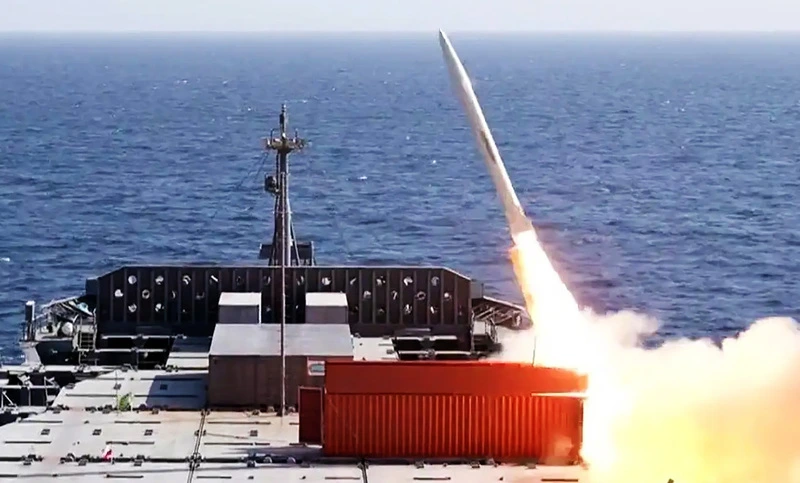
The escalation was also accompanied by a statement about Iran's military capabilities. Rezaei claimed that Tehran recently tested a new anti-ship missile against a U.S. warship. "For the first time, we tested our anti-ship missile on a U.S. warship," he maintained. According to his account, the launch provoked a U.S. reaction and forced the ship to withdraw.
The announcement comes after weeks of clashes and tensions around the strait, where attacks against commercial vessels and U.S. military operations aimed at preventing Iran from rebuilding surveillance, missile launch, and mine-laying capabilities have been recorded.
The situation is further complicated by negotiations between Iran and Oman to establish specific maritime transit routes. Rezaei assured that the maps of those corridors will be formalized soon. However, the existence of those routes does not eliminate the Iranian warning to sanction ships entering the new restricted perimeter.
Officials of the Iranian totalitarian regime also took the opportunity to report on the test of a new anti-ship missile