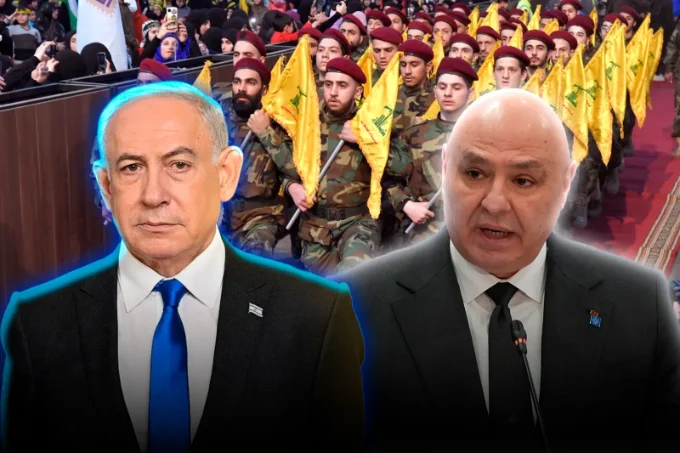

The president of Lebanon, Joseph Aoun, announced that his government will seek to negotiate a security agreement with Israel following the withdrawal of its forces from the south of the country, while moving forward with a plan to disarm Hezbollah and prevent a new internal confrontation.
Aoun stated that Beirut has no alternative but to resort to negotiations to resolve tensions with Israel and address the future of Hezbollah. "We have no option but negotiations, because the alternative is war, which would be very costly for us," he affirmed in an interview before traveling to France.
The leader maintained that the disarmament of the Iran-backed group "is non-negotiable and not open for discussion," but insisted that his goal is to achieve that outcome through peaceful means. Aoun seeks to prevent the process from triggering a confrontation among the various political and military forces in the country or generating a new civil war.
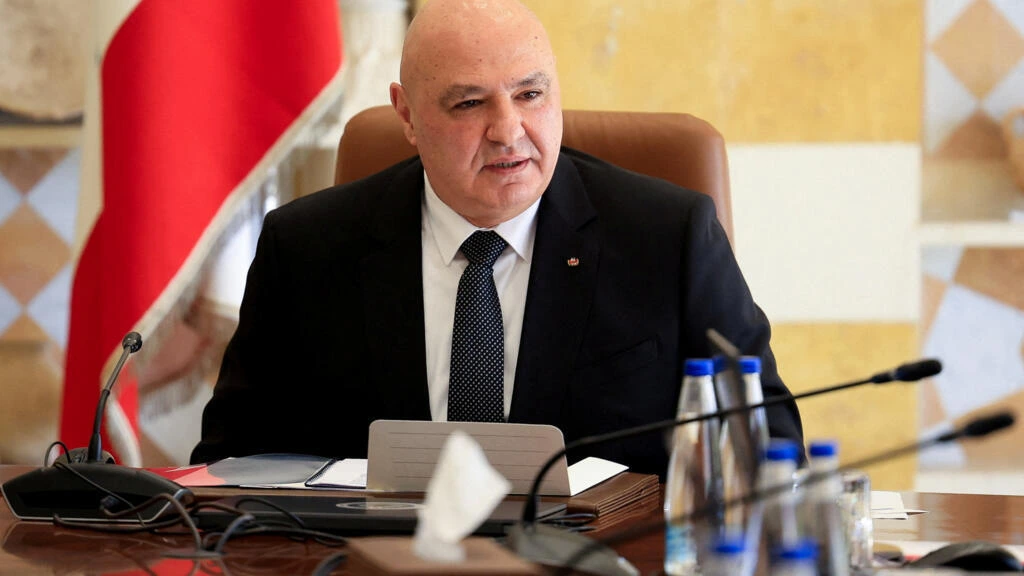
The Lebanese government considers it especially urgent to define the future of security in the south of the country in light of the expected departure of United Nations peacekeeping forces. The international mission, known as UNIFIL, has been deployed in Lebanese territory since 1978, and its mandate will expire at the end of this year, after the UN Security Council decided in 2025 to end the operation.
To prevent a security vacuum, Aoun proposed establishing a temporary force to remain in the south until the Lebanese Army is able to fully assume control of the area. The proposal includes the participation of European, Arab, Asian, American, or United Nations personnel.
The Lebanese president requested support from the United States, the European Union, and Arab countries to facilitate this deployment. His goal is to strengthen the capabilities of the Army and allow state forces to gradually extend their presence throughout the territory.